In the world of glass decoration and privacy enhancement, frosting glass is a popular technique. There are various methods available for frosting glass, each with its own set of characteristics. As a supplier of glass frosting powder, I am well - versed in the unique advantages of this product when compared to other glass - frosting methods. In this blog, I will explore the ease of use of glass frosting powder and how it stacks up against alternative approaches.
Traditional Acid Etching
One of the oldest and most well - known glass - frosting methods is acid etching. This process involves applying hydrofluoric acid or other strong acids to the glass surface. The acid chemically reacts with the glass, creating a frosted appearance. However, acid etching comes with several challenges.
First and foremost, handling acids is extremely dangerous. Hydrofluoric acid is highly corrosive and can cause severe burns and long - term health problems if it comes into contact with the skin or is inhaled. Specialized safety equipment, such as acid - resistant gloves, goggles, and respirators, is required. Moreover, proper ventilation is essential to prevent the buildup of toxic fumes.
The application process of acid etching is also quite complex. The glass needs to be thoroughly cleaned and prepped before the acid can be applied. Precise masking is necessary to ensure that only the desired areas are frosted. Even a small mistake in masking can lead to an uneven or unwanted frosting pattern. After the acid has done its job, the glass must be carefully neutralized and rinsed to remove all traces of the acid. This entire process requires a high level of skill and experience, making it less accessible for DIY enthusiasts or those with limited technical knowledge.
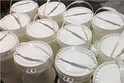
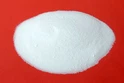
In contrast, glass frosting powder is much safer and easier to handle. Our Water Glass Frosting Powder is formulated to be less hazardous. It doesn't require the use of highly corrosive acids, which means that basic safety precautions like wearing gloves and eye protection are usually sufficient. The application process is straightforward. You simply mix the powder with water according to the instructions, apply it to the glass surface, and let it sit for a certain period. There is no need for complex masking techniques, as the powder can be easily controlled during application.
Sandblasting
Sandblasting is another common method for frosting glass. It involves propelling fine sand or other abrasive materials at high speed onto the glass surface using a sandblasting gun. This abrasive action creates a frosted texture on the glass.
Sandblasting requires specialized equipment, including a sandblasting machine, compressor, and blasting cabinet. These machines can be expensive to purchase and maintain. Additionally, operating a sandblasting machine safely requires proper training. The high - velocity abrasive particles can cause serious eye and skin injuries if not handled correctly. There is also a significant amount of dust generated during the sandblasting process, which can be a health hazard if inhaled. Adequate ventilation and dust collection systems are necessary to mitigate this risk.


The setup for sandblasting is also time - consuming. You need to prepare the glass, set up the sandblasting equipment, and adjust the pressure and flow of the abrasive material. Achieving a consistent and uniform frosting effect can be challenging, especially on large or irregularly shaped glass surfaces.
On the other hand, glass frosting powder is a more cost - effective and user - friendly option. You don't need to invest in expensive equipment. All you need is a mixing container, a brush or sprayer to apply the mixture, and the powder itself. The application can be done on a variety of glass surfaces, including curved or intricate shapes, without the need for complex equipment adjustments. It also produces minimal dust, reducing the health risks associated with inhalation.
Window Film Application
Window films are a relatively simple way to achieve a frosted look on glass. They are adhesive - backed sheets that can be applied directly to the glass surface. While window film application is often considered easy, it has its own limitations.
The quality of window films can vary significantly. Low - quality films may bubble, peel, or discolor over time. The installation process requires a clean and smooth glass surface. Any dust, dirt, or moisture on the glass can cause bubbles or uneven adhesion. Measuring and cutting the film to fit the glass precisely can be tricky, especially for irregularly shaped windows. Even a small mistake in cutting can result in an unsightly appearance.
Moreover, window films are not a permanent solution. They can be easily damaged by scratches or impacts, and they may need to be replaced after a few years. In contrast, glass frosting powder provides a more permanent and durable frosting effect. Once applied, the frosted surface is integrated into the glass and is resistant to scratching, peeling, and fading.
Ease of Use in Different Applications
Small - Scale DIY Projects
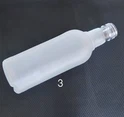
For small - scale DIY projects, such as frosting a glass vase or a small window in a bathroom, glass frosting powder is the ideal choice. It allows hobbyists and DIY enthusiasts to achieve professional - looking results without the need for expensive equipment or specialized skills. For example, if you want to create a Satin Effect Glass Brick for a decorative project, using glass frosting powder is a straightforward process. You can easily control the application to create a smooth and even satin finish.
Large - Scale Commercial Projects
In large - scale commercial projects, such as frosting the windows of an office building or a retail store, glass frosting powder also offers significant advantages. It can be applied quickly and efficiently, reducing labor costs and project timelines. Unlike acid etching or sandblasting, which may require a team of trained professionals, glass frosting powder can be applied by semi - skilled workers with minimal supervision. This makes it a more cost - effective option for large - scale applications.
Customized Frosting Designs
When it comes to creating customized frosting designs, glass frosting powder provides more flexibility. You can use stencils or masks to create intricate patterns with ease. Whether you want to create a logo on a glass door or a decorative pattern on a shower screen, the powder can be applied precisely to achieve the desired effect. In contrast, sandblasting may struggle to create fine details, and window films may not offer the same level of customization. For instance, you can use our glass frosting powder to create unique designs on Oil Sand Effect Glassware, adding a touch of elegance and personalization.
Conclusion
In conclusion, the ease of use of glass frosting powder far surpasses that of other glass - frosting methods. Its safety, simplicity, and versatility make it a preferred choice for both DIY enthusiasts and professional contractors. Whether you are working on a small home project or a large commercial installation, glass frosting powder offers a convenient and effective solution for achieving a beautiful frosted glass finish.
If you are interested in our glass frosting powder products and would like to discuss your specific requirements, please feel free to contact us. We are ready to provide you with detailed product information, samples, and competitive pricing. Let's work together to bring your glass - frosting ideas to life!
References
- Glass Processing Handbook, various editions, covering traditional glass - frosting techniques.
- Industry reports on glass decoration trends and the popularity of different frosting methods.