


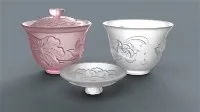
The use of decorative glass can range from doors (especially shower doors) to stairways and hand rails, desks, tables and walls. Decorative glass is a form of glass art. Glass art is typically classified as big in size and entirely made of glass. What distinguishes decorative glass from other forms of glass art is typically the way in which the glass is used and where it is put. Decorative glass is most often used for interior use in restaurants, hotels, and homes. Decorative glass offers an incredible opportunity to have a one of a kind artistic glass piece in your home.


Advantages of Decorative Glass
Aesthetics and durability
Decorative glass is renowned for its aesthetics, strength, durability, security. It's also more cost-effective when compared with other materials.
Easy to clean and sanitize
Easy to clean and sanitize, decorative glass doesn't require specialized solvents or cloths, and remains streak and scratch free. This is especially important for high-traffic areas with railings, elevators, and furniture.
Be customized opacity levels
Decorative glass can also be customized to achieve various opacity levels, from total blockage to complete transparency. Associated techniques include custom back-painting and color-matching, as well as utilizing tinted, reeded, and laminated glass.
Improve sound quality
Capabilities such as laminated glass can also help improve sound quality, while reducing noise in accordance with sound transmission class (STC) ratings.
Why Choose Us
High quality
Our products are manufactured or executed to a very high standard, using the finest materials and manufacturing processes.
Advanced equipment
A machine, tool or instrument designed with advanced technology and functionality to perform highly specific tasks with greater precision, efficiency and reliability.
Professional team
Our professional team collaborates and communicates effectively with each other, and is dedicated to delivering high quality results. We are capable of handling complex challenges and projects that require our specialized expertise and experience.
Quality control
We have built a professional quality control team to accurately inspect every raw material and every production process.
Customized services
We understand that each customer has unique manufacturing needs. That's why we offer customization options to cater to your specific requirements.
24H online service
We try and respond to all concerns within 24 hours and our teams are always at your disposal in case of any emergencies.
The Inevitable Trend of Decorative Glass Popularity
Decorative glass has become an increasingly popular material in hospitality design, offering a unique and sophisticated touch to any space. Its ability to allow light to pass through while creating an intricate pattern or design has made it a go-to option for designers looking to add depth and character to their interiors. From hotel lobbies to restaurants and bars, decorative glass can elevate the ambiance of any space. First and foremost, decorative glass can serve as a focal point in any room. Its intricate designs and patterns can draw the eye and create a visually stunning element in the space. Whether used as a partition wall or as decorative panels, glass can create a unique and sophisticated atmosphere that is both inviting and memorable. Another benefit of decorative glass is its ability to provide privacy without sacrificing natural light. This is particularly important in hospitality settings where privacy is often necessary, but natural light is desirable. Decorative glass partitions can separate different areas of a room while still allowing light to pass through, creating a bright and airy feel that is both practical and aesthetically pleasing. In addition to its practical uses, decorative glass can also serve as a means of brand expression. Customized glass designs can incorporate brand logos or images, creating a cohesive look and feel that reinforces brand identity. For example, a hotel lobby could incorporate a custom glass installation that showcases the hotel’ s logo or emblem. This not only reinforces the brand’ s identity but also creates a visually stunning element that can be easily recognized and remembered by guests. Decorative glass can also serve as a sustainable design choice. As a material, glass is recyclable and long-lasting, reducing waste and minimizing the need for replacements. In addition, decorative glass can be made using eco-friendly production methods, such as our low-VOC water based back paints, further reducing its environmental impact. This makes it an excellent choice for hotels and restaurants looking to make a positive impact on the environment. Finally, decorative glass is a versatile material that can be used in a variety of ways. From intricate etchings to bold colors and patterns, there is no limit to the design possibilities. Whether used as a partition, a feature wall, or a decorative panel, glass can create a unique and memorable look that is both functional and visually stunning. Creating a unique and sophisticated atmosphere while allowing natural light to pass through makes decorative glass an excellent choice for hotels, restaurants, and bars. Whether used as a focal point or as a means of brand expression, decorative glass can elevate the ambiance of any space and create a lasting impression on guests.
Low-iron glass for display-oriented settings, low-iron glass undergoes a special process to eliminate its natural greenish tint and improve transparency. Laminated Glass sandwiching various interlayers between two lites, laminated glass offers endless design possibilities. Incorporating fabric, metallic screens, and other decorative interlayers, these blend or accent existing designs, or create new focal points. Laminated glass is also strong and durable, and won’t smash into dangerous, sharp slivers or shards when impacted. Instead, it will feature web-like fissures that maximize safety and minimize the risk of harmful injuries. Back-painted or color-matched glass appears sleek, cohesive, and clean. Its primary color palette of yellow, blue, green, gray, purple, red, and orange enables customized branding. Sandblasting and silk screening techniques create customized logos, images, and designs—transforming any glass piece into a personalized branding opportunity to impress and amaze prospects and customers. Logos, for example, can be designed as the focal points or backgrounds of glass panes. Sandblasting and silk screening effects can therefore electrify everything from frameless glass walls, railings, and balustrades to markerboards and conference areas. For a fully frosted appearance, consider acid-etching for best results. Reeded Glass create reeded glass varying in thickness from 1/4 to 3/8 of an inch by pressing tempered glass between metal rollers. Its ripple-like design is utilized for a wide range of applications including walls, windows, and doors. Tinted glass reflective, colorized glass adds bold statements to storefronts, skylights, and other commercial applications. It also helps retain heat while reducing harmful UV light.

Decorative glass has a wide range of applications throughout a diverse spectrum of industries and environments. Decorative glass can be customized to achieve various opacity levels, from total blockage to complete transparency. Associated techniques include back-painting and color-matching, as well as utilizing tinted, reeded, and laminated glass. As more organizations begin re-introducing employees back to the office following the easing of coronavirus pandemic-related precautions, decorative glass dividers and partitions are continuing to be used in workplace settings to protect the health and safety of employees and customers. In addition to these safeguards, decorative glass can also improve privacy, limit distracting noise through sound-proofing, and add or reduce natural light, depending on its desired opacity. Laminated and reeded glass, along with silk screening, provide additional customization. Back-painting is another popular technique utilized within businesses, with the reverse side of a glass pane shaded to incorporate splashes of style and beauty within dining rooms, bathrooms, guest rooms, and common areas. With the return of in-person appointments, medical facilities are ramping up interior aesthetics. Unlike traditional curtains or blinds, frosted or back-painted glass blends privacy with design—an important attribute in sensitive areas, such as exam rooms and observatories. Glass is also easier to clean and disinfect. Consider low-iron glass for display cases, dividers, and countertops. Transparent, customizable, and elegant, it is perfect for showcasing high-end merchandise such as jewelry, watches, and handbags, as well as other goods, such as personal care products, and much more. UV-bonded tempered glass enhances safety, and its strength and durability can withstand smash-and-grab attacks.
Considerations for Decorative Glass Screen Printing and Cladding Glass
A key element to adding a certain panache to any home but maintaining a specific function is the inclusion of decorative glass in your windows and doors. Certainly, by adding a distinct type and style of decorative glass to a door or window will evoke a definitive style of a room or even a whole household. Any homeowner thinking about adding decorative glass will need to consider the aesthetic they are trying to achieve in a certain space, room, and the overall style of their home. Furthermore, they’ll also need to consider how the decorative glass should function in the space it is included. Frosted glass obscures visibility while allowing light to pass through it, making it one of the most popular types of decorative glass. Glue chip glass and frosted glass both work well in victorian homes while rain glass and grooved glass match modern and contemporary styles. Beveled glass is angled and creates a prism, resulting in a rainbow of colors. Decorative glass is a term that can be used to describe an extensive range of glass products. In general, decorative glass is used when the glass is intended to be looked at rather than just looked through, or when the glass is used to create a distinct design feature within a space. Decorative glass can be used to add light and create a feeling of space, to introduce more artistic and expressive details, or to increase privacy. The high-temperature fusing of the frit to the glass provides a permanent, non-porous surface with excellent scratch resistance - removal of the colour is not possible without sustaining damage to the glass substrate. When used on the exterior of buildings, panels must be glazed with the printed surface inside (surface 2). When used in shower doors or screens the printed surface must be outside the shower. When used as exterior canopies, balustrades or screens, the printed surface should be to the interior or less exposed side, to protect it from the elements. The ceramic frit can exhibit discolouration when exposed to hydrogen sulphide gas (such as in geothermal areas) for long periods. The coating is substantially opaque, but care should be taken if coated panels are to be subjected to back-lighting as an orange peel effect can manifest itself. Cleaning of the glass and printed surface is essential to maintain aesthetics and durability. Dirt and grime left on the coating may cause it to stain. For normal cleaning use soft, clean, and grit-free cloths or squeegees with mild soapy water or use proprietary cleaning products. It is important to note that most types of coated glass will require the surface coating to be deleted before the digital print or ceramic frit is applied (this is most commonly required for edge-banding). The application of colour coating can give the appearance of increased reflectivity on the exterior surface of the glass. Under certain daylight conditions, the roller wave (which is inherent in all horizontally heat-treated products) may become more apparent on colour-coated glass. To minimise the appearance of roller wave, the glass should be manufactured and installed with the roller wave horizontal.

Decorative glass offers many creative options and is a beautiful material that can be used to create a variety of effects in hospitality design. With a little creativity, you can use decorative glass to add visual interest, create a sense of luxury, or simply add a touch of personality to your space. A large piece of decorative glass can be used to create a focal point in a room. For example, a stained glass window can be used to add visual interest to a dining room or lobby. If you want to add privacy to a room without blocking out the natural light, decorative glass can be a great option. For example, you could use frosted glass to create a privacy screen in a bathroom or shower. Add a touch of luxury. A touch of decorative glass can add a touch of luxury to any space. For example, you could use mirrored glass to create the illusion of a larger space, or you could use beveled glass to add a touch of sophistication. Decorative glass can be a great way to add a personal touch to your space. For example, you could use a piece of glass with a special design or message to create a one-of-a-kind piece of art. When choosing decorative glass for hospitality design, it is important to consider the overall style of the space. You want to choose a type of glass that will complement the existing decor and create a cohesive look. You should also consider the function of the space. For example, if you are using decorative glass in a bathroom, you will want to choose a type of glass that is easy to clean and maintain. Use a variety of textures and finishes to create visual interest. For example, you could use a combination of smooth, textured, and patterned glass. Use different colors of glass to create a sense of harmony or contrast. Use glass in unexpected ways, such as as a table top or a wall covering. Don’t be afraid to experiment with different shapes and sizes of glass. With a little creativity, you can use decorative glass to create a truly unique and memorable space.
The allure of decorative glass art installations lies in their rich forms of expression and unique artistic effects. The transparency of glass allows light to penetrate its surface, creating a wide range of light and shadow effects depending on the angle and intensity of illumination. Artists skillfully harness this characteristic to create a unique interplay of light and shadow. Decorative glass art installations, under the mapping of light, present a colorful and mysterious display of hues and captivating light patterns, infusing spaces with a magical ambiance. Whether bathed in natural sunlight or enhanced by artificial lighting, these installations provide a distinctive visual experience, transforming spaces into art-filled environments.In addition to light and shadow effects, decorative glass art installations emphasize innovation in form and structure. Artists employ cutting, assembly, and folding techniques to create glass artworks with intricate and flowing lines and shapes. Decorative glass is no longer limited to traditional window or lighting forms but has further integrated into architecture and interior design, becoming focal points and highlights of spaces. They can be massive glass murals that break the balance of space with their magnificent colors and flowing shapes, or delicate glass sculptures that resonate with the surroundings through their transparent texture and unique forms. Decorative glass art installations are not just artworks; they serve as mediums for dialogue and interaction with the environment. Furthermore, decorative glass art installations possess practicality and functionality. They can be used as partitions, zoning elements, or lighting devices while providing a certain level of privacy and protection. The unique textures and transparency of decorative glass allow light to pass through, bringing soft natural light to interior spaces and creating a warm and pleasant atmosphere. In commercial or public spaces, decorative glass art installations also serve as promotional and branding displays, capturing people's attention. Decorative glass is no longer just a material or architectural element but has integrated into the realm of art as a unique art installation. With its rich play of light and shadow, innovative forms, and practicality, decorative glass brings forth the dazzling beauty of art. Through its visual impact and distinctive forms of expression, decorative glass art installations open a door for us to enter the world of art.
FAQ
We're well-known as one of the leading decorative glass manufacturers and suppliers in China for 25 years. Welcome to buy high quality decorative glass made in China here from our factory. For price consultation, contact us.
