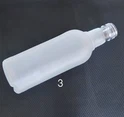
Hey there! As a supplier of water glass frosting powder, I've been in the glass - frosting game for quite some time. And one question that often pops up is how water glass frosting powder stacks up against sandblasting when it comes to glass frosting. So, let's dive right in and break it down.


1. The Basics of Each Method
First off, let's understand what we're dealing with. Sandblasting is an old - school technique. It involves shooting tiny sand particles at high speed onto the glass surface. The force of the sand hitting the glass chips away at the surface, creating a frosted look. It's like using a super - powered sandpaper on the glass.
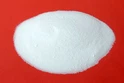
On the other hand, water glass frosting powder is a chemical solution. You mix the powder with water to create a paste or liquid, and then apply it to the glass. The chemicals in the powder react with the glass, etching it and giving it that frosted appearance.
2. Cost - effectiveness
When it comes to cost, water glass frosting powder has a clear edge. Sandblasting requires specialized equipment. You need a sandblasting machine, which can be quite expensive to buy and maintain. There are also costs associated with the sand itself and the air compressor needed to power the machine.
With water glass frosting powder, the initial investment is much lower. All you need is the powder, some basic mixing containers, and applicators like brushes or sponges. And the powder is relatively inexpensive, especially when you consider how much glass you can frost with a single batch. This makes it a great option for small - scale projects or businesses on a tight budget. For example, if you're a startup that wants to add a frosted touch to your product packaging, water glass frosting powder can save you a ton of money.
3. Precision and Detail
Sandblasting can be a bit of a brute - force method. It's great for large, flat surfaces where you want a uniform frosted look. But when it comes to intricate designs or patterns, it can be a challenge. The sand particles are shot in a somewhat random pattern, and it's hard to control exactly where they land. This means that getting fine details or sharp edges can be difficult.
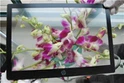
Water glass frosting powder, on the other hand, offers much more precision. You can use stencils to create detailed patterns on the glass. Just apply the stencil to the glass, spread the frosting powder mixture over it, and then remove the stencil. The result is a clean, sharp pattern with great detail. Check out Satin Effect With Pattern On The Glass Vodka Bottle to see some amazing examples of the precision you can achieve with water glass frosting powder.
4. Safety
Safety is always a concern when working with any type of glass - frosting method. Sandblasting can be dangerous. The high - speed sand particles can cause eye injuries if proper eye protection isn't worn. There's also the risk of inhaling the fine dust created by the sand hitting the glass, which can lead to respiratory problems over time.
Water glass frosting powder also has its safety considerations. The chemicals in the powder can be harmful if they come into contact with your skin or eyes. However, as long as you follow the safety instructions, wear protective gloves and goggles, and work in a well - ventilated area, the risks can be minimized. And compared to the flying sand in sandblasting, the risks associated with water glass frosting powder are generally easier to manage.
5. Surface Finish
The surface finish achieved by each method is also different. Sandblasted glass has a more rough and textured finish. The sand particles create small pits and grooves on the glass surface, which gives it a more rustic and industrial look. This can be great for certain applications, like creating a vintage - style look or for use in architectural projects where a more rugged appearance is desired.
Water glass frosting powder creates a smoother, satin - like finish. The chemical etching process is more controlled, resulting in a more refined and elegant look. This makes it a popular choice for decorative glassware, such as Cosmetic Glass Bottle With Satin Effect Surface. The smooth finish also makes the glass easier to clean and maintain.
6. Environmental Impact
In today's world, environmental impact is an important factor to consider. Sandblasting can generate a lot of waste. The used sand becomes contaminated with glass particles and other debris, and it can be difficult to dispose of properly. There are also energy costs associated with running the sandblasting machine, which contributes to the carbon footprint.
Water glass frosting powder is generally more environmentally friendly. The chemicals in the powder are designed to be as eco - friendly as possible. And since the process doesn't generate large amounts of solid waste like sandblasting, it has a lower environmental impact.
7. Speed of Application
Sandblasting can be a relatively fast process for large surfaces. Once the equipment is set up, you can quickly cover a large area of glass with the sand. However, if you need to change the design or pattern, it can take time to re - configure the equipment and set up new masking.
Water glass frosting powder application can be a bit slower, especially for large areas. You need to mix the powder, apply it evenly, and then wait for it to react with the glass. But for smaller projects or when creating detailed designs, the extra time can be worth it. And once you get the hang of it, you can work quite efficiently.
Conclusion
So, which method is better? Well, it really depends on your specific needs. If you're looking for a cost - effective, precise, and environmentally friendly way to frost glass with detailed designs, water glass frosting powder is the way to go. It's great for small - scale projects, decorative glassware, and businesses that want to add a unique touch to their products.
On the other hand, if you have large, flat surfaces and need a quick, uniform frosted look, sandblasting might be more suitable.
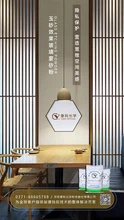
If you're interested in learning more about water glass frosting powder or want to start a project, I'd love to help. Whether you're a small business owner, a DIY enthusiast, or an artist, we have the right products for you. Don't hesitate to reach out for more information or to discuss your specific requirements. You can also check out Welcome To The Exhibition to see some of the amazing glass - frosting projects that can be achieved with our water glass frosting powder.
Let's work together to bring your glass - frosting ideas to life!
References
- Glass Finishing Techniques: A Comprehensive Guide. Published by Glass Industry Press.
- Chemical Etching of Glass: Principles and Applications. Journal of Glass Science and Technology.