As a supplier of glass etching materials, I often get asked about the storage conditions for these products. Proper storage is crucial not only for maintaining the quality of the materials but also for ensuring safety, especially considering the nature of some of the chemicals involved in glass etching. In this blog post, I'll explore whether glass etching materials require any special storage conditions and provide some guidelines based on my experience in the industry.


Understanding Glass Etching Materials
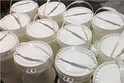
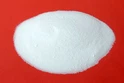
Glass etching materials come in various forms, including powders, liquids, and gels. Each type of material has its own set of chemical properties that can influence how it should be stored. For example, Glass Etching Powder is a common product used in the glass etching process. It typically contains chemicals such as hydrofluoric acid salts, which are highly reactive and can be dangerous if not handled properly.
Chemical Composition and Storage Requirements
The chemical composition of glass etching materials is the primary factor that determines their storage requirements. Many glass etching chemicals are corrosive, toxic, or reactive with other substances. For instance, hydrofluoric acid, which is often used in Chemical Etching of Glass, is extremely corrosive and can cause severe burns and tissue damage. It also reacts with many metals, so it should never be stored in metal containers.
- Corrosive Materials: Corrosive glass etching materials, such as acids and alkalis, should be stored in a dedicated corrosives cabinet. These cabinets are designed to withstand the corrosive effects of the chemicals and prevent leaks or spills from causing damage to other items in the storage area. The cabinets should be made of materials that are resistant to corrosion, such as polyethylene or polypropylene.
- Toxic Materials: Toxic glass etching chemicals need to be stored in a secure location away from food, water, and areas where people frequently gather. They should be clearly labeled with their chemical name, hazard warnings, and handling instructions. In addition, access to these materials should be restricted to authorized personnel only.
- Reactive Materials: Some glass etching materials are reactive with other substances, such as oxidizers or reducing agents. These materials should be stored separately from each other to prevent chemical reactions that could lead to fires, explosions, or the release of toxic gases.
Temperature and Humidity
Temperature and humidity can also affect the stability and performance of glass etching materials. Extreme temperatures can cause chemicals to break down, evaporate, or become more reactive. High humidity can lead to the formation of moisture, which can cause corrosion or degradation of the materials.
- Temperature: Most glass etching materials should be stored at room temperature, typically between 20°C and 25°C (68°F and 77°F). However, some materials may have specific temperature requirements, so it's important to check the manufacturer's instructions. For example, some etching powders may need to be stored in a cool, dry place to prevent clumping or degradation.
- Humidity: Glass etching materials should be stored in a dry environment with low humidity. High humidity can cause moisture to accumulate on the surface of the materials, which can lead to corrosion or the growth of mold and bacteria. To maintain a low humidity level, you can use dehumidifiers or desiccants in the storage area.
Light and Air Exposure
Light and air exposure can also have an impact on the quality of glass etching materials. Some chemicals are sensitive to light and can degrade when exposed to sunlight or other sources of ultraviolet radiation. Air can also cause oxidation or other chemical reactions that can affect the performance of the materials.
- Light: Glass etching materials that are sensitive to light should be stored in opaque containers or in a dark storage area. This can help prevent the degradation of the chemicals and ensure their effectiveness over time.
- Air: To minimize air exposure, glass etching materials should be stored in tightly sealed containers. This can help prevent oxidation and the evaporation of volatile chemicals. In addition, it's a good idea to use the materials as soon as possible after opening the container to reduce the risk of degradation.
Storage Containers
The choice of storage containers is also important for ensuring the safety and quality of glass etching materials. The containers should be made of materials that are compatible with the chemicals being stored and should be able to withstand the corrosive effects of the materials.
- Plastic Containers: Plastic containers are a popular choice for storing glass etching materials because they are lightweight, durable, and resistant to corrosion. However, not all plastics are suitable for storing all types of chemicals, so it's important to choose the right type of plastic. For example, polyethylene and polypropylene are commonly used for storing acids and alkalis, while polycarbonate is more suitable for storing solvents.
- Glass Containers: Glass containers are another option for storing glass etching materials, especially for liquids and solutions. Glass is inert and does not react with most chemicals, so it can provide a good barrier against corrosion and contamination. However, glass containers can be fragile and may break if dropped or mishandled, so they should be stored in a secure location.
Safety Precautions
In addition to following the proper storage conditions, it's important to take safety precautions when handling and storing glass etching materials. Here are some general safety tips:
- Wear Protective Gear: Always wear appropriate protective gear, such as gloves, goggles, and a lab coat, when handling glass etching materials. This can help protect you from chemical burns, eye injuries, and other hazards.
- Read the Labels: Before using or storing any glass etching material, read the label carefully to understand its chemical composition, hazard warnings, and handling instructions. Follow the instructions closely to ensure your safety and the safety of others.
- Have a Spill Kit: Keep a spill kit on hand in case of accidental spills or leaks. The spill kit should include absorbent materials, neutralizing agents, and personal protective equipment.
- Train Employees: If you have employees who handle glass etching materials, make sure they are properly trained on the safe handling and storage of these materials. Provide them with regular safety training and updates to ensure they are aware of the latest safety procedures.
Conclusion
In conclusion, glass etching materials do require special storage conditions to ensure their safety and effectiveness. The storage conditions should be based on the chemical composition of the materials, as well as factors such as temperature, humidity, light, and air exposure. By following the guidelines outlined in this blog post, you can help prevent accidents, protect the environment, and ensure the quality of your glass etching materials.
If you're interested in purchasing high-quality glass etching materials, or if you have any questions about the storage or handling of these materials, please feel free to contact us. We're here to help you find the right products for your needs and provide you with the support and guidance you need to use them safely and effectively.
References
- "Chemical Safety Guidelines for Glass Etching," Occupational Safety and Health Administration (OSHA).
- "Storage and Handling of Corrosive Chemicals," National Fire Protection Association (NFPA).
- Manufacturer's instructions for specific glass etching materials.