As a supplier of Anti Glare (AG) glass, I'm often asked about the glass's performance, advantages, and - you guessed it - potential disadvantages. Like any product, AG glass isn't perfect. Let's take a closer look at some of the drawbacks to using anti glare glass.
Scratching and Durability
One of the most prominent concerns with AG glass is its vulnerability to scratching. This type of glass is typically treated to create a texture that diffuses light, reducing reflections. This treatment can make the surface less resistant to abrasions compared to untreated glass.
If the glass is used in high - traffic areas or with rough handling, it may start to show scratches over time. For example, in a busy public museum where people constantly interact with display cases featuring anti glare glass, accidental knocks or scratches from clothing buttons could occur. In everyday devices like smartphones and tablets with Anti Glare Etched Glass, users who carry their devices in the same pocket as keys are at high risk of scratching the glass.
However, modern manufacturers have been working hard to improve this aspect. Some are applying additional coatings on top of the anti glare treatment to enhance scratch resistance. But it's still something to consider when selecting AG glass for your project.
Cost
Another significant disadvantage is the cost. Producing anti glare glass involves a specialized manufacturing process. Whether it's through chemical etching or applying anti - reflective coatings, these processes add to the production cost.
For businesses looking to outfit large areas with AG glass, such as in corporate offices with large glass partitions or in retail stores with display windows, the price can quickly add up. Even for consumers buying small - scale products like Anti Glare(AG) Etched Glass for their home electronics, the cost is usually higher compared to regular glass.
The higher price might put off some customers, especially those on a tight budget or those who don't fully understand the benefits. For instance, a small - business owner looking to upgrade their storefront might be reluctant to invest in anti glare glass because of the cost, even though it could potentially improve the visibility of their products.
Clarity and Color Shift
While anti glare glass is great at reducing reflections, it can sometimes affect the clarity of the image or object behind it. The texture or coating used to achieve anti - glare properties scatters light, which in turn can cause a slight blurring effect. This is particularly noticeable in high - resolution displays.
In addition, there may be a color shift. The anti glare treatment can alter the way light passes through the glass, leading to a change in color perception. For example, in a professional photo or video editing setup using a monitor with anti glare glass, the color shift could be a deal - breaker. Editors rely on accurate color representation, and any deviation can lead to inaccurate editing.
However, advancements in technology are gradually minimizing these issues. Newer anti glare glass products are being designed to offer better clarity and more accurate color reproduction.
Cleaning and Maintenance
Cleaning anti glare glass can be a bit more challenging compared to regular glass. The textured or coated surface can trap dust, fingerprints, and smudges more easily. Using the wrong cleaning materials can also damage the anti - glare coating.
For example, rough cloths or abrasive cleaning agents can scratch the surface or remove the anti glare treatment. If you have a display in a public place with AG glass, it will need frequent cleaning to maintain its appearance and functionality. But staff may not always use the correct cleaning methods, which can lead to a degradation of the glass over time.
On the other hand, proper cleaning instructions are usually provided by manufacturers. By following these guidelines using gentle cleaning solutions and soft microfiber cloths, the glass can be kept in good condition.
Reduced Transparency
Anti glare glass can have reduced transparency compared to standard glass. The anti - glare treatment that diffuses light to reduce reflections also causes some of the light passing through the glass to scatter. This means that less light is transmitted directly, resulting in a slightly dimmer view.
In applications where high transparency is crucial, such as in some high - end optical devices or in large windows where natural light transmission is a priority, this reduction in transparency can be a drawback. For example, in a greenhouse where plants require maximum sunlight exposure, the reduced transparency of AG glass might not be ideal.
Despite these disadvantages, it's important to note that anti glare glass still offers many benefits. It significantly reduces reflections, which is invaluable in environments where glare can be a major distraction. For instance, in a driver's dashboard featuring Anti - glare Glass For Iphone Ipad Mobile Phone Car Screen And Computers, the reduced glare helps improve visibility and safety.
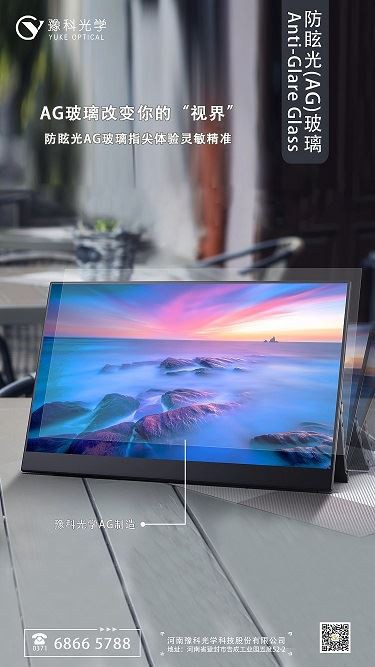

In conclusion, while there are some drawbacks to using anti glare glass, these must be balanced against the specific needs of your project. If reducing glare is a top priority and you can manage the potential challenges like cost, scratching, and cleaning, then anti glare glass is a great option.
If you're considering purchasing anti glare glass for your project and want to discuss how to overcome these potential disadvantages based on your specific requirements, don't hesitate to reach out to us. We're here to provide the best solutions tailored to your needs. Get in touch with us to start a procurement discussion, and we'll work together to find the perfect anti glare glass for you.
References
- Industry research on anti glare glass production and performance
- User feedback on different anti glare glass products.