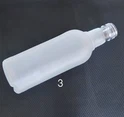
Hey there! As a supplier of Etching Powder for Glass, I often get asked this question: Does etching powder for glass work on antique glass? It's a super interesting topic, and today, I'm gonna dive deep into it.
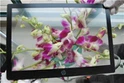
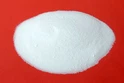
First off, let's talk about what etching powder for glass is. It's a nifty product that's used to create frosted or decorative effects on glass surfaces. You mix it with water to form a paste, apply it to the glass, and voila! You get a beautiful etched design. It's a popular choice among artists, crafters, and even some DIY enthusiasts. But when it comes to antique glass, things get a bit more complicated.
Antique glass is special. It's old, it's fragile, and it often has a unique history. The composition of antique glass can vary widely depending on when and where it was made. Some antique glass may have been made with different raw materials or manufacturing processes compared to modern glass. This means that its chemical and physical properties can be quite different.
One of the main factors to consider is the durability of antique glass. Over time, antique glass can become brittle due to factors like age, environmental exposure, and previous handling. When you apply etching powder, it involves a chemical reaction that can be quite harsh. The acid in the etching powder works by dissolving the surface layer of the glass to create the etched effect. If the antique glass is already weak, this chemical reaction could potentially cause cracks, chips, or other forms of damage.
Another thing to think about is the aesthetic value of antique glass. Many antique pieces are prized for their original, untouched appearance. Etching the glass could alter its historical and aesthetic value. Even if the etching process goes smoothly, it might not be reversible, and you could end up permanently changing a valuable antique.
However, that doesn't mean etching powder can never be used on antique glass. In some cases, if the antique glass is in relatively good condition and you're willing to take the risk, it can work. But you need to be extremely careful. Here are some steps you should take if you decide to give it a go:
1. Do a Test
Before you apply the etching powder to the entire piece, do a small test on an inconspicuous area. This will help you see how the glass reacts to the etching powder. If there are any signs of damage or an unexpected reaction, stop immediately.
2. Consult an Expert
It's always a good idea to consult with an antique glass expert or conservator. They can assess the condition of the glass and give you professional advice on whether etching is a good idea.
3. Follow the Instructions
Make sure you follow the instructions on the etching powder packaging carefully. Use the right amount of powder, mix it properly, and apply it evenly. This will help ensure that the etching process goes as smoothly as possible.
4. Protect the Glass
During the etching process, make sure to protect the rest of the antique piece. You can use masking tape or other protective materials to cover the areas that you don't want to etch.
Now, let's compare etching powder with other glass - etching options. We also offer Chemical Glass Etching Solution and Satinal Substance for Glass Etching.
Chemical glass etching solutions are similar to etching powder in that they use chemicals to etch the glass. However, they are usually in liquid form, which can make them easier to apply in some cases. They may also have different chemical compositions, which could affect how they interact with antique glass.
Satinal substance for glass etching is another option. It's designed to create a specific type of frosted effect. It may be less harsh than some etching powders and solutions, but again, it's important to test it on antique glass before using it on the whole piece.
In conclusion, using etching powder on antique glass is a risky business. While it can work in some situations, you need to be extremely cautious. The value and condition of the antique glass should be your top priorities. If you're still interested in using our etching products, whether it's for antique glass (with proper precautions) or modern glass, we'd love to hear from you.
If you have any questions about our Etching Powder for Glass, Chemical Glass Etching Solution, or Satinal Substance for Glass Etching, or if you're interested in placing an order, feel free to reach out. We're here to help you make the best decision for your glass - etching projects.


References
- "The Chemistry of Glass Etching" - Journal of Glass Science
- "Antique Glass Conservation and Restoration" - International Association for the Preservation of Antiquities