As a supplier of ordinary glass etching powder, I often receive inquiries from customers about the applicability of our product for various glass - related projects. One common question is whether ordinary glass etching powder can be used to etch glass tiles. In this blog post, I will explore this topic in detail, providing scientific insights and practical advice.
Understanding Glass Etching Powder
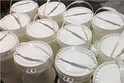
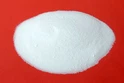
Before delving into the question of using glass etching powder on glass tiles, it's important to understand what glass etching powder is. Glass etching powder is a chemical compound that, when mixed with water, creates a solution capable of chemically altering the surface of glass. The main active ingredient in most glass etching powders is hydrofluoric acid or its salts, such as ammonium bifluoride. These chemicals work by reacting with the silicon dioxide in the glass, breaking down the surface layer and creating a frosted or textured appearance.
Our Glass Etching Powder is formulated to be effective on a variety of glass surfaces. It offers a cost - effective and relatively easy - to - use solution for glass etching projects. However, different glass types may react differently to the etching process, and glass tiles have their own unique characteristics.
Characteristics of Glass Tiles
Glass tiles are a popular choice for interior and exterior decoration due to their aesthetic appeal, durability, and ease of cleaning. They come in a wide range of colors, sizes, and finishes. Some glass tiles are made from soda - lime glass, which is the most common type of glass used in everyday items such as windows and bottles. Others may be made from borosilicate glass, which has better heat resistance and chemical stability.
The surface of glass tiles can also vary. Some tiles have a smooth, polished finish, while others may have a textured or embossed surface. Additionally, glass tiles may have a protective coating or glaze applied to enhance their appearance or durability. These factors can all affect the etching process and the final result.
Can Ordinary Glass Etching Powder Be Used on Glass Tiles?
The short answer is yes, in most cases, ordinary glass etching powder can be used to etch glass tiles. However, there are several factors to consider:
Glass Composition
As mentioned earlier, different types of glass have different compositions. Soda - lime glass is generally more reactive to the etching process compared to borosilicate glass. If your glass tiles are made of soda - lime glass, they are likely to etch well with ordinary glass etching powder. Borosilicate glass may require a longer etching time or a more concentrated etching solution.
Surface Finish
The surface finish of the glass tiles can also impact the etching process. Smooth, polished glass tiles will typically etch more evenly and produce a more consistent frosted appearance. Textured or embossed tiles may present challenges, as the etching powder may not reach all areas uniformly. In such cases, additional steps may be required, such as using a brush to ensure the etching solution penetrates into the textured areas.
Protective Coatings
If the glass tiles have a protective coating or glaze, it must be removed before etching. The coating can prevent the etching powder from coming into contact with the glass surface, resulting in an ineffective or uneven etch. To remove the coating, you can try using a chemical stripper or sanding the surface lightly. However, be careful not to damage the glass tile during this process.
Etching Process
When using glass etching powder on glass tiles, it's important to follow the manufacturer's instructions carefully. Here are the general steps:
- Prepare the Work Area: Set up a well - ventilated workspace and protect the surrounding area from the etching solution. Wear appropriate personal protective equipment, including gloves, goggles, and a respirator.
- Clean the Glass Tiles: Thoroughly clean the glass tiles to remove any dirt, dust, or grease. Use a mild detergent and water, and dry the tiles completely.
- Mix the Etching Solution: Follow the instructions on the glass etching powder package to mix the powder with water to create the etching solution. Stir the solution well until the powder is completely dissolved.
- Apply the Etching Solution: Use a brush, sponge, or sprayer to apply the etching solution evenly to the surface of the glass tiles. Make sure to cover the entire area you want to etch.
- Let the Solution Work: Allow the etching solution to sit on the glass tiles for the recommended time. This can range from a few minutes to several hours, depending on the type of glass and the desired etching depth.
- Rinse and Neutralize: After the etching time is up, rinse the glass tiles thoroughly with water to remove the etching solution. Then, neutralize the remaining acid by applying a solution of baking soda and water.
- Inspect and Finish: Inspect the etched glass tiles to ensure the desired effect has been achieved. If necessary, you can repeat the etching process or make any adjustments. Finally, clean the tiles again and dry them.
Tips for a Successful Etching Process
To achieve the best results when using ordinary glass etching powder on glass tiles, consider the following tips:
Test on a Small Area
Before etching the entire batch of glass tiles, it's a good idea to test the etching powder on a small, inconspicuous area of one tile. This will allow you to see how the glass reacts to the etching solution and make any necessary adjustments to the process.

Control the Etching Time
The longer the etching solution is left on the glass, the deeper the etching will be. However, over - etching can cause the glass to become too rough or even damage the tile. Monitor the etching process closely and follow the recommended etching time.
Use the Right Tools
Choose the appropriate tools for applying the etching solution. A soft - bristled brush or sponge can help ensure an even application, especially on textured tiles. Avoid using metal tools, as they can scratch the glass surface.
Other Glass Etching Options
In addition to ordinary glass etching powder, there are other options available for glass etching on glass tiles.
Satinal Substance for Glass Etching
This substance offers a different approach to glass etching. It may provide a more refined or specialized etching effect compared to ordinary glass etching powder. It can be a good choice for more intricate or high - end glass tile projects.
Chemical Glass Etching Solution
Chemical glass etching solutions are pre - mixed and ready to use. They often offer a more consistent and precise etching result. However, they may be more expensive than glass etching powder.
Conclusion
Ordinary glass etching powder can be a viable option for etching glass tiles. With proper preparation, careful consideration of the glass tile characteristics, and following the correct etching process, you can achieve beautiful and unique etched glass tiles. Whether you are a DIY enthusiast or a professional contractor, our Glass Etching Powder provides a reliable solution for your glass etching needs.
If you are interested in purchasing our glass etching powder or have any questions about glass etching on glass tiles, please feel free to contact us. We are here to provide you with the best products and support for your glass etching projects.
References
- Glass Science and Technology: An Introduction, by David R. Uhlmann and Neil J. Kreidl.
- Handbook of Glass Properties, edited by W. A. Weyl.