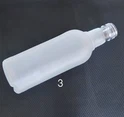
What is the effect of glass etching cream on the transparency of glass?
Yo, folks! I'm a supplier of glass etching cream, and today I wanna have a chat with you about how this nifty stuff affects the transparency of glass.
Let's start with the basics. Glass etching cream is a chemical product that's used to change the surface of glass. It's kinda like a magic potion for glass, but instead of turning it into a frog, it gives it a cool, frosted look. There are different types, like Chemical Glass Etching Cream, Glass Etching Acid Cream, and Glass Etching Paste, each with its own properties and uses.
How Glass Etching Cream Works
When you apply glass etching cream to the surface of glass, the chemicals in it react with the glass. Most of the etching creams contain hydrofluoric acid or other strong acids that are capable of breaking down the silica in the glass. This chemical reaction creates tiny pits and irregularities on the glass surface.


Normally, when light passes through regular, smooth glass, it travels in a straight line through the glass. This is why clear glass is transparent, and we can see objects on the other side clearly. But when the glass surface is etched by the cream, the light that hits the glass gets scattered in different directions due to these pits and unevenness.
Effects on Transparency
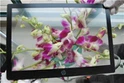
The main and obvious effect of glass etching cream on glass transparency is that it reduces it. This reduction can range from a slight haze to a totally opaque surface, depending on several factors.
Application Time
The longer the glass etching cream stays on the glass surface, the more it will etch the glass. Just like marinating meat for longer gives it more flavor, leaving the cream on the glass for extended periods will deepen the etching. A short application, say a minute or two, might just give the glass a very light, almost barely noticeable haze. It'll still be mostly transparent, but you'll notice a bit of softening in the view through it.
On the other hand, if you leave the cream on for 10 - 15 minutes or more, it'll create a much more pronounced frosted effect. The glass will become significantly less transparent, and you won't be able to clearly make out details of objects on the other side. It's great for privacy, like using it on bathroom windows.
Cream Concentration
Not all glass etching creams are made equal. Some are more concentrated than others. A highly concentrated cream will react more aggressively with the glass, causing deeper etching. If you use a super - concentrated Glass Etching Acid Cream, it can turn a completely clear glass into an opaque one in a relatively short time.
A less concentrated cream may take longer to achieve the same level of opacity or may only be able to create a light frosted effect. So, if you want to control the transparency of the etched glass, choosing the right concentration of the cream is crucial.
Glass Type
Different types of glass also react differently to glass etching cream. Soda - lime glass, which is the most common type of glass used in windows and bottles, is relatively easy to etch. It'll usually show a clear and consistent frosted effect.
On the other hand, borosilicate glass, known for its high heat resistance and often used in laboratory equipment, is a bit more resistant to etching. The etching process may take longer, and achieving a high level of opacity may be more difficult compared to soda - lime glass.
Practical Applications Based on Transparency Changes
The ability of glass etching cream to alter the transparency of glass has led to a wide range of practical applications.
Privacy
In bathrooms and offices, privacy is often a concern. Using glass etching cream to reduce the transparency of glass windows or partitions is a cost - effective solution. You can create a frosted glass look that allows natural light to come in but still obscures the view from the outside. For instance, a lightly etched glass partition in an office can still give a sense of openness while providing some privacy for individual workspaces.
Decorative Purposes
Etched glass with different levels of transparency can be used to create stunning decorative pieces. Lightly etched glass can be used in lampshades to create a soft, diffused light. You can use stencils to create patterns on the glass, and the varying transparency within the pattern adds an artistic touch.
For example, a large - scale etched glass mural in a hotel lobby can be designed with areas of different transparencies. The opaque parts can form the outlines of the design, while the semi - transparent areas add depth and dimension.
Safety
In some cases, reducing the transparency of glass can also enhance safety. For example, in high - traffic areas, etched glass can be used to prevent people from accidentally walking into glass doors or partitions. The reduced transparency makes the glass more visible, reducing the risk of collisions.
Quality Control in the Etching Process
As a supplier of glass etching cream, I know how important it is to ensure consistent results. To maintain the quality of the etching and the desired transparency level, there are a few key steps in the process.
First, proper surface preparation is essential. The glass should be thoroughly cleaned and free of any dirt, grease, or fingerprints. Even a small amount of contamination can affect how the cream reacts with the glass, leading to uneven etching and inconsistent transparency.
Second, following the instructions on the cream packaging is crucial. This includes the recommended application time and the method of application. Using a brush or a sprayer can also affect the uniformity of the etching.
Finally, testing on a small, inconspicuous area of the glass before full - scale application is a must. This allows you to see the effect of the cream on the particular type of glass you're using and make any necessary adjustments to the application time or method.
Conclusion
So, there you have it! Glass etching cream has a significant impact on the transparency of glass. Whether you're looking for privacy, a decorative touch, or safety enhancements, it's a versatile product that can achieve a wide range of effects.
If you're interested in purchasing our high - quality glass etching creams, including Chemical Glass Etching Cream, Glass Etching Acid Cream, and Glass Etching Paste, don't hesitate to reach out. We'd be happy to discuss your specific needs and help you choose the right product for your project.
References
- “Glass Chemistry: Understanding the Basics,” Journal of Glass Science, 2018.
- “Etching Techniques for Different Types of Glass,” Glass Art Magazine, 2020.
- “Practical Applications of Etched Glass,” Interior Design Today, 2021.