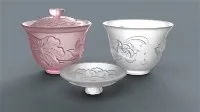
Any glass that has been texturized or processed to look semi-opaque or translucent is considered as frosted glass. In many cases, this type of glass is not only used for design, but also for a variety of functions.
Types of Frosted Glass
The two main types of frosted glass are Acid-etched and Sandblasted glass. These two types are classified by the different techniques used for them to look translucent. However, with the increasing number of demands, some application processes were added. Here’s to discuss them in detail.
1. Acid-etched Glass
Also known as French Embossing, Acid-etched glass is one of the oldest decorative glass techniques used. This started when craftsmen thousands of years ago discovered that hydrochloric acid applied to the glass can produce a certain decorative effect. The acid is applied to both sides of the glass, melting it to achieve a translucent look with a smooth texture.
2. Sandblasted Glass
Etching the glass with sand or other abrasive materials is considered as the sandblasting glass technique. Sand is used to wear away the glass’ surface getting a frosted glass look. Sandblasting however, offers versatility to the glass design. You can also adjust the level of opaqueness from light, medium to heavy.
3. Ceramic Frit Silk Screened Glass
This type of frosted glass requires ceramic to be painted on the glass. This gives designers freedom to use a variety of colors and shapes to customize the glass with. From raw powdered materials that are heated and cooled, the frit is made and then transferred to the glass through heat.
4. Translucent Interlayer Laminated Glass
Frosting laminated glass can simply be achieved by making its interlayer translucent. Since laminated glass is composed of two glass panels held together by an interlayer or polyvinyl butil (PVB), a translucent interlayer does the trick. Aside from its durability, a translucent laminated glass ticks all boxes for design and privacy.
5. Applied Translucent Film
A cost-effective technique that still gives you the frosted glass advantage is the applied translucent film type. This works like an insulating film applied on the glass of your choice. It also helps insulate rooms, saving from energy costs. This type can work like a shade, blocking 99% of UV radiation while making sure privacy and design are both achieved.