Hey there! As a supplier of glass etching materials, I often get asked if there are any options that don't require a ton of ventilation. Well, you're in luck because I've got some insights to share on this topic.
First off, let's understand why ventilation is such a big deal when it comes to glass etching. A lot of traditional glass etching materials involve chemicals that can release fumes that are not only unpleasant but can also be harmful if inhaled in large quantities. That's why proper ventilation is usually recommended to keep the workspace safe and the air breathable.
But here's the good news: there are indeed some glass etching materials that are more forgiving when it comes to ventilation requirements. One of the key factors to look for is the type of chemicals used. Some newer formulations are designed to be less volatile, which means they release fewer fumes.
Let's talk about some of the Material Used for Glass Etching. There are different kinds out there, like etching creams and powders. Etching creams are a popular choice because they're relatively easy to use. They usually come in a tube or a container, and you just apply them to the glass surface with a brush or a stencil. Some of the newer etching creams on the market are formulated to have a lower odor and fewer noxious fumes. This makes them a great option if you're working in a space where ventilation is limited, like a small studio or a home workshop.
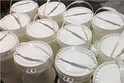
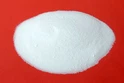
Another option is glass etching powders. These are often mixed with water to create a paste or a solution. One example is the YK - I Glass Etching Powder. This powder is known for its relatively low - fume properties. When you mix it with water, it doesn't release a cloud of strong - smelling fumes like some other powders might. It's a great choice for those who want to do glass etching without having to set up a full - blown ventilation system.
Now, you might be wondering how these low - fume materials perform compared to the traditional ones. Well, in my experience, they can be just as effective. The key is to follow the instructions carefully. For example, when using an etching cream, make sure you apply it evenly and leave it on for the recommended amount of time. With the etching powder, getting the right consistency of the paste is crucial for a good etching result.
Let's take a look at some real - world applications. Suppose you're into creating custom glassware, like the Lime Soda Peach Drink Bottle Beverage Glass Bottle Wine Bottle With Special Efection. Using low - fume glass etching materials allows you to work on these bottles in a more comfortable environment. You can add beautiful designs and patterns to the glass without having to worry too much about the fumes. This is especially important if you're planning to do a lot of etching, as you'll be spending more time in the workspace.
But it's not just about the lack of fumes. These low - ventilation materials also offer other benefits. They're often more user - friendly, especially for beginners. You don't have to be an expert in setting up ventilation systems to start etching glass. And they're generally safer, which is a huge plus. You can have peace of mind knowing that you're not exposing yourself or others to potentially harmful chemicals.
Of course, even with these low - fume materials, it's still a good idea to have some basic ventilation. Opening a window or using a small fan can help to keep the air fresh and reduce any lingering odors. And always wear appropriate safety gear, like gloves and goggles, to protect yourself from any potential splashes or contact with the chemicals.
If you're a small business owner or an individual artist looking to expand your glass - etching projects, these low - ventilation materials can be a game - changer. You can work more efficiently and comfortably, which can lead to better - quality products. And let's not forget about the cost savings. You don't have to invest in expensive ventilation equipment right away.
So, if you've been hesitant to start glass etching because of ventilation concerns, I encourage you to give these low - fume materials a try. As a supplier, I've seen firsthand the positive impact they can have on your glass - etching experience. Whether you're a hobbyist or a professional, there's a glass - etching material out there that can meet your needs without requiring a lot of ventilation.
If you're interested in learning more about our glass - etching materials or have any questions about which product is right for you, feel free to reach out. We're here to help you get the best results with your glass - etching projects. Whether you're looking to create unique gifts, custom - made glassware for your business, or just explore your creative side, our materials can make it happen.
Don't miss out on the opportunity to take your glass - etching to the next level. Contact us today, and let's start a conversation about how we can supply you with the perfect glass - etching materials for your needs.
References
- General knowledge about glass etching materials from industry experience.
- Product information provided by manufacturers of glass etching creams and powders.