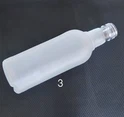
Acid etching for glass is a popular technique that has been used for centuries to create decorative and functional glass products. As a supplier of acid etching materials for glass, I often get asked whether this technique can be used on glass tableware. In this blog post, I'll explore the feasibility, benefits, and considerations of using acid etching on glass tableware.
Understanding Acid Etching for Glass
Acid etching is a process that involves using acidic substances to remove the surface layer of glass, creating a frosted or patterned effect. The most commonly used acid for this purpose is hydrofluoric acid, which is highly corrosive and can dissolve glass. However, due to its extreme toxicity and dangerous nature, safer alternatives such as ammonium bifluoride are often used in commercial and home applications.
The process typically involves applying a resist (a material that protects the areas of the glass that you don't want to etch) to the glass surface, followed by the application of the etching acid. After a certain period, the acid is washed off, and the resist is removed, revealing the etched pattern.
Feasibility of Acid Etching on Glass Tableware
The short answer is yes, acid etching can be used on glass tableware. Glass tableware, such as plates, bowls, and glasses, is made from various types of glass, including soda-lime glass, borosilicate glass, and lead crystal. Most of these glasses are suitable for acid etching, as the etching process primarily affects the surface layer of the glass.
However, it's important to note that not all glass tableware is created equal. Some glasses may have a protective coating or treatment that can interfere with the etching process. Additionally, the thickness and quality of the glass can also affect the outcome of the etching. Thicker glasses may require a longer etching time, while lower-quality glasses may etch unevenly.
Benefits of Acid Etching on Glass Tableware
There are several benefits to using acid etching on glass tableware:


1. Aesthetic Appeal
Acid etching can transform plain glass tableware into unique and eye-catching pieces. You can create a variety of patterns, from simple geometric designs to intricate floral motifs, adding a personal touch to your table settings. The frosted effect of acid etching also gives the glass a more elegant and sophisticated look.
2. Durability
Once etched, the design becomes a permanent part of the glass surface. Unlike painted or printed designs, acid-etched patterns are resistant to scratching, fading, and wear, ensuring that your tableware will maintain its beauty for years to come.
3. Customization
Acid etching allows for a high degree of customization. You can create one-of-a-kind designs based on your clients' preferences, making it an ideal option for special occasions such as weddings, anniversaries, and corporate events.
4. Branding
For restaurants, cafes, and bars, acid etching can be used to brand glass tableware with the establishment's logo or name. This not only adds a professional touch but also helps to promote the brand and create a memorable dining experience for customers.
Considerations When Acid Etching Glass Tableware
While acid etching offers many benefits, there are also some important considerations to keep in mind:
1. Safety
As mentioned earlier, the acids used in the etching process are highly corrosive and toxic. Proper safety precautions must be taken when handling these chemicals, including wearing protective gloves, goggles, and a respirator. It's also important to work in a well-ventilated area to avoid inhaling the fumes.
2. Food Safety
When using acid etching on glass tableware, it's crucial to ensure that the etched glass is safe for food contact. The etching process should not leave any harmful residues on the glass surface. It's recommended to thoroughly wash and rinse the etched glassware before use, and to follow any applicable food safety regulations.
3. Cost
Acid etching can be a more expensive process compared to other decorative techniques, such as printing or painting. The cost of the etching materials, as well as the labor involved in the process, can add up. However, the unique and durable nature of acid-etched tableware can justify the higher cost, especially for high-end or custom-made pieces.
4. Design Limitations
While acid etching allows for a wide range of designs, there are some limitations. For example, very fine details may be difficult to achieve, and the etching process may not be suitable for creating three-dimensional effects. It's important to work with a skilled etcher who can help you achieve the desired design within the limitations of the process.
Materials Needed for Acid Etching Glass Tableware
To acid etch glass tableware, you'll need the following materials:
- Etching Acid: As mentioned earlier, hydrofluoric acid is the most commonly used acid for glass etching, but safer alternatives such as ammonium bifluoride are also available. You can find a variety of etching acids and Etching Glass Materials on our website.
- Resist: A resist is a material that protects the areas of the glass that you don't want to etch. There are several types of resists available, including vinyl stencils, liquid resists, and spray-on resists. You can learn more about the Materials Needed for Glass Etching on our website.
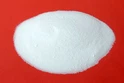
- Etching Powder for Glass: Etching powder can be used to create a more controlled and precise etching effect. You can find high-quality Etching Powder for Glass on our website.
- Brushes and Applicators: You'll need brushes and applicators to apply the resist and the etching acid to the glass surface.
- Safety Equipment: As mentioned earlier, it's important to wear protective gloves, goggles, and a respirator when handling the etching chemicals.
Conclusion
In conclusion, acid etching can be a great option for adding a unique and personalized touch to glass tableware. It offers many benefits, including aesthetic appeal, durability, customization, and branding opportunities. However, it's important to consider the safety, food safety, cost, and design limitations of the process before proceeding.
If you're interested in using acid etching on your glass tableware, or if you have any questions about our acid etching materials, please don't hesitate to contact us. We're a leading supplier of acid etching materials for glass, and we're committed to providing our customers with high-quality products and excellent customer service. Let's work together to create beautiful and unique glass tableware that will impress your guests and enhance your dining experience.
References
- "Glass Etching: A Comprehensive Guide" by John Smith
- "The Art of Acid Etching on Glass" by Jane Doe