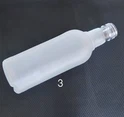
Glass etching is an age-old art that has evolved significantly over the years, with modern chemical solutions playing a crucial role in achieving various etching effects. As a supplier of glass etching chemicals, I often encounter the question: Can glass etching chemicals be used on glass bottles? In this blog, we will explore the science behind glass etching, the types of glass bottles suitable for etching, and the potential applications of using glass etching chemicals on glass bottles.
The Science of Glass Etching
Glass etching is a process that involves the removal or alteration of the surface of glass to create a decorative or functional effect. Chemical etching, in particular, relies on the reaction between specific chemicals and the glass surface to achieve this. The most common chemicals used in glass etching are hydrofluoric acid (HF) and its derivatives, as well as other acid-based compounds.
Hydrofluoric acid is a powerful etchant that reacts with the silicon dioxide (SiO₂) in glass, forming silicon tetrafluoride (SiF₄) gas and water. This reaction effectively dissolves the glass surface, creating a frosted or etched appearance. Other acid-based chemicals, such as sulfuric acid and hydrochloric acid, can also be used in combination with specific additives to achieve different etching effects.
The reaction between glass and etching chemicals is highly dependent on several factors, including the type of glass, the concentration and composition of the etching chemical, the temperature during the etching process, and the duration of the etching. Understanding these factors is crucial for achieving consistent and high-quality etching results.
Types of Glass Bottles Suitable for Etching
Not all glass bottles are suitable for chemical etching. The type of glass used in the bottle can significantly affect the etching process and the final result. The most common types of glass used in bottle manufacturing are soda-lime glass, borosilicate glass, and lead glass.
- Soda-Lime Glass: This is the most widely used type of glass in bottle manufacturing. It is made from a mixture of silica (sand), soda ash (sodium carbonate), and lime (calcium oxide). Soda-lime glass is relatively inexpensive, easy to manufacture, and has good chemical resistance. It is also highly suitable for chemical etching, as it reacts well with common etching chemicals. Most beverage bottles, including the Lime Soda Peach Drink Bottle Beverage Glass Bottle Wine Bottle With Special Efection, are made from soda-lime glass.
- Borosilicate Glass: Borosilicate glass is made from a mixture of silica, boron trioxide, and other additives. It has a lower coefficient of thermal expansion than soda-lime glass, making it more resistant to thermal shock. Borosilicate glass is commonly used in laboratory glassware, as well as some high-end beverage bottles. While it can be etched using chemical methods, it requires more specialized etching chemicals and longer etching times compared to soda-lime glass.
- Lead Glass: Lead glass is made by adding lead oxide to the glass mixture. It has a high refractive index, which gives it a brilliant and sparkling appearance. Lead glass is commonly used in decorative glassware, such as crystal wine glasses and vases. Etching lead glass requires special care, as lead can be toxic if ingested. Additionally, the high lead content in the glass can affect the etching process, requiring specific etching chemicals and techniques.
Applications of Glass Etching on Bottles
Using glass etching chemicals on glass bottles offers a wide range of applications, both decorative and functional. Here are some of the most common applications:
- Branding and Marketing: Etching a company logo, brand name, or product information on a glass bottle is an effective way to enhance brand visibility and create a unique and memorable product. This is particularly important in the beverage industry, where competition is fierce, and standing out on the shelves is crucial. For example, a wine bottle with an etched label can create a more premium and sophisticated look, attracting consumers and increasing sales.
- Decorative Purposes: Glass etching can be used to create beautiful and intricate designs on glass bottles, turning them into works of art. From simple geometric patterns to elaborate floral designs, the possibilities are endless. Etched glass bottles can be used as decorative items in homes, offices, or restaurants, adding a touch of elegance and style.
- Functional Applications: In addition to decorative purposes, glass etching can also have functional applications. For example, etching a measurement scale on a glass bottle can make it easier to measure liquids accurately. Etching a non-slip surface on the bottle can also improve grip and reduce the risk of accidents.
Using Glass Etching Chemicals on Bottles
When using glass etching chemicals on glass bottles, it is important to follow proper safety procedures and guidelines. Here are some general steps to follow:
- Prepare the Bottle: Clean the glass bottle thoroughly to remove any dirt, grease, or debris. This will ensure that the etching chemical adheres to the glass surface evenly and produces a consistent etching effect.
- Protect Yourself: Wear appropriate personal protective equipment (PPE), including gloves, goggles, and a respirator, to protect yourself from the corrosive and toxic effects of the etching chemicals.
- Prepare the Etching Chemical: Follow the manufacturer's instructions carefully when preparing the etching chemical. This may involve diluting the chemical with water or adding specific additives to achieve the desired etching effect.
- Apply the Etching Chemical: There are several methods for applying the etching chemical to the glass bottle, including brushing, spraying, or dipping. Choose the method that is most suitable for the design and size of the bottle. Make sure to apply the chemical evenly and cover the entire area to be etched.
- Etch the Bottle: The duration of the etching process depends on several factors, including the type of glass, the concentration of the etching chemical, and the desired etching effect. Follow the manufacturer's instructions for the recommended etching time. During the etching process, monitor the bottle closely to ensure that the etching is progressing as expected.
- Rinse and Clean the Bottle: Once the etching process is complete, rinse the bottle thoroughly with water to remove any remaining etching chemical. Then, clean the bottle with a mild detergent to remove any residue.
- Inspect the Bottle: After cleaning, inspect the bottle to ensure that the etching is of high quality and meets your expectations. If necessary, repeat the etching process or make any adjustments to achieve the desired result.
Choosing the Right Glass Etching Chemical
As a glass etching chemical supplier, I understand the importance of choosing the right chemical for the job. There are several factors to consider when selecting a glass etching chemical, including the type of glass, the desired etching effect, the safety of the chemical, and the cost.


- Type of Glass: As mentioned earlier, different types of glass require different etching chemicals. Make sure to choose a chemical that is suitable for the type of glass used in the bottle. For example, if you are etching a soda-lime glass bottle, a standard hydrofluoric acid-based etching chemical may be sufficient. However, if you are etching a borosilicate glass bottle, you may need a more specialized chemical.
- Desired Etching Effect: The desired etching effect also plays a role in choosing the right chemical. If you want a fine and detailed etching, you may need a chemical with a higher concentration of etchant. If you want a more diffuse or frosted effect, you may need a chemical with a lower concentration or a different composition.
- Safety: Safety is always a top priority when working with glass etching chemicals. Make sure to choose a chemical that is safe to use and follow all safety procedures and guidelines. Look for chemicals that are labeled as non-toxic, non-corrosive, or low in toxicity.
- Cost: Cost is another important factor to consider when choosing a glass etching chemical. Compare the prices of different chemicals and choose the one that offers the best value for money. However, do not compromise on quality or safety for the sake of cost.
One of the most popular glass etching chemicals available on the market is Glass Etching Powder. This powder is easy to use, safe, and produces consistent and high-quality etching results. It can be used on a variety of glass surfaces, including glass bottles, and is suitable for both professional and DIY applications.
Conclusion
In conclusion, glass etching chemicals can be used on glass bottles, offering a wide range of applications, both decorative and functional. However, it is important to choose the right type of glass bottle, the appropriate etching chemical, and follow proper safety procedures and guidelines. As a glass etching chemical supplier, I am committed to providing high-quality products and excellent customer service. If you are interested in using glass etching chemicals on your glass bottles or have any questions about the process, please feel free to [contact us]([Contact Us Page URL]) for more information and to discuss your specific needs. We look forward to working with you to achieve your glass etching goals.
References
- "Etching Glass by Acid Chemical" [/glass-etching-materials/etching-glass-with-acid-chemical.html]
- Various glass manufacturing and glass etching industry resources