Can glass etching cream be used on glass laboratory equipment? That's a question I've been asked a bunch of times lately, and as a supplier of Glass Etching Cream, I'm here to break it down for you.
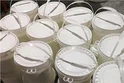
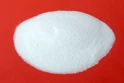
First off, let's talk about what glass etching cream actually is. Glass etching cream is a chemical product used to create a frosted or etched effect on glass surfaces. It contains chemicals like hydrofluoric acid or other fluoride compounds that react with the glass to change its appearance. There are different types, such as Glass Etching Acid Cream and Chemical Glass Etching Cream, each with its own set of properties and uses.
Now, onto the big question - can it be used on glass laboratory equipment? Well, the short answer is yes, but with some important considerations.
Advantages of Using Glass Etching Cream on Laboratory Equipment
One of the main reasons you might want to use glass etching cream on laboratory equipment is for labeling. In a lab setting, it's crucial to clearly identify different pieces of equipment, solutions, and samples. Etching labels directly onto the glass provides a permanent and highly visible way to do this. Unlike stickers or markers, etched labels won't fade, peel off, or get washed away during cleaning or normal use.


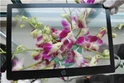
Another advantage is aesthetics. In some cases, a frosted or etched finish can give the laboratory equipment a more professional and polished look. This can be particularly important in research facilities, teaching labs, or places where the appearance of the equipment matters.
Challenges and Considerations
However, there are also some challenges and considerations when using glass etching cream on laboratory equipment.
Chemical Compatibility: Laboratory equipment is often used to handle various chemicals, and it's essential to ensure that the etching cream doesn't compromise the chemical resistance of the glass. Some etching creams may leave behind residues or change the surface properties of the glass, which could potentially react with the chemicals being used in the lab. Before using the etching cream on a large scale, it's a good idea to test it on a small, inconspicuous area of the equipment to check for any adverse reactions.
Accuracy and Precision: Laboratory equipment is designed to meet specific accuracy and precision requirements. Etching the glass could potentially affect the dimensions or surface smoothness of the equipment, which might impact its performance. For example, in volumetric glassware like burettes or pipettes, any change in the internal surface could lead to inaccurate volume measurements. It's important to carefully follow the instructions provided with the etching cream and take steps to minimize any potential damage to the equipment's functionality.
Safety: Glass etching cream contains hazardous chemicals, and proper safety precautions must be taken when using it. This includes wearing appropriate personal protective equipment (PPE) such as gloves, goggles, and a lab coat. The etching process should be carried out in a well - ventilated area to avoid inhaling any fumes. Additionally, after etching, the equipment must be thoroughly cleaned to remove any traces of the etching cream.
How to Use Glass Etching Cream on Laboratory Equipment
If you've decided that using glass etching cream on your laboratory equipment is the right choice, here's a general guide on how to do it.
Prepare the Equipment: Clean the glass surface thoroughly to remove any dirt, grease, or fingerprints. You can use a mild detergent and water, followed by rinsing and drying the equipment completely.
Masking: If you only want to etch specific areas of the equipment, use masking tape or a stencil to cover the areas you don't want to etch. Make sure the masking is secure and there are no gaps where the etching cream could seep through.
Apply the Etching Cream: Follow the instructions on the etching cream product. Usually, you'll use a brush or a spatula to apply a thin, even layer of the cream to the exposed glass surface. Make sure to work quickly and evenly to achieve a consistent etch.
Etching Time: The etching time will depend on the specific product and the desired effect. It's important not to leave the etching cream on for too long, as this could cause excessive damage to the glass. Check the progress periodically and remove the cream once the desired etch has been achieved.
Cleaning: After the etching process is complete, carefully remove the masking tape or stencil. Rinse the equipment thoroughly with water to remove all traces of the etching cream. You may also need to use a mild acid or cleaning solution to ensure that the glass is completely clean.
Quality of the Glass Etching Cream
The quality of the glass etching cream you choose also plays a significant role in the success of the etching process. As a supplier, I can tell you that not all etching creams are created equal. High - quality etching creams are formulated to provide a consistent and reliable etch, with minimal risk of damage to the glass. They also tend to have better chemical stability and are less likely to leave behind residues.
When selecting a glass etching cream for laboratory equipment, look for products that are specifically designed for use on glass and have been tested for safety and performance. You can also ask for recommendations from other lab professionals or check online reviews to get an idea of which products are the most reliable.
Conclusion
In conclusion, glass etching cream can be a useful tool for labeling and enhancing the appearance of glass laboratory equipment, but it must be used with caution. By considering the chemical compatibility, accuracy, safety, and following the proper procedures, you can achieve good results.
If you're interested in purchasing high - quality glass etching cream for your laboratory equipment, I'd love to talk to you. Whether you have questions about the product, need advice on using it, or are ready to place an order, don't hesitate to reach out. We're here to help you find the best solution for your laboratory needs.
References
- General knowledge of glass etching and laboratory practices
- Product information provided by glass etching cream manufacturers