Can glass frosting chemical be used on glass skylights?
As a dedicated supplier of glass frosting chemicals, I often encounter inquiries from customers regarding the suitability of our products for various glass applications. One question that frequently arises is whether glass frosting chemicals can be used on glass skylights. In this blog post, I'll delve into this topic, exploring the feasibility, benefits, and considerations associated with using glass frosting chemicals on glass skylights.
Understanding Glass Frosting Chemicals
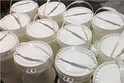
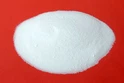
Before we discuss their application on glass skylights, let's briefly understand what glass frosting chemicals are. These chemicals are formulated to etch the surface of glass, creating a frosted or satin - like appearance. They typically work by reacting with the silica in the glass, altering its surface texture. There are different types of glass frosting chemicals available, including Ordinary Glass Frosting Powder, which is a common and cost - effective option for many glass frosting projects.
Feasibility of Using Glass Frosting Chemicals on Glass Skylights
The short answer is yes, glass frosting chemicals can be used on glass skylights. Glass skylights are made of glass, and as long as the glass type is compatible with the frosting chemical, the process can be carried out successfully. Most glass skylights are made of float glass or tempered glass. Float glass is a common choice for skylights due to its clarity and smooth surface, and it is generally very receptive to glass frosting chemicals. Tempered glass can also be frosted, but it requires special care during the frosting process as tempered glass is more brittle than regular glass.
Benefits of Frosting Glass Skylights
- Privacy: One of the primary benefits of frosting glass skylights is increased privacy. Skylights are often installed in areas where privacy is a concern, such as bathrooms or bedrooms. Frosting the glass obscures the view from the outside while still allowing natural light to enter the room.
- Light Diffusion: Frosted glass diffuses light more evenly than clear glass. This means that the harsh glare often associated with direct sunlight coming through a skylight is reduced. The diffused light creates a more pleasant and comfortable environment inside the building, whether it's a residential home or a commercial space.
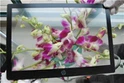
- Aesthetic Appeal: Frosted glass adds a touch of elegance and sophistication to any space. It can enhance the overall design of a room and make it look more modern and stylish. For example, Satin Effect Float Glass can give a skylight a high - end, luxurious look.
- UV Protection: Some glass frosting chemicals can provide a certain degree of UV protection. This helps to prevent fading of furniture, carpets, and other interior elements that are exposed to sunlight over time.
Considerations Before Frosting Glass Skylights
- Glass Type: As mentioned earlier, different types of glass require different approaches when it comes to frosting. For example, if the skylight is made of laminated glass, the frosting process may be more complex as the chemical needs to penetrate through multiple layers of glass and interlayers. It's essential to identify the exact type of glass used in the skylight before applying any frosting chemical.
- Safety: Working on skylights can be dangerous as they are usually located at heights. Proper safety measures must be taken during the frosting process. This includes using safety harnesses, ladders, and other appropriate safety equipment. Additionally, the glass frosting chemicals themselves can be hazardous. They often contain strong acids or alkalis, so protective gear such as gloves, goggles, and a respirator should be worn at all times.
- Maintenance: Frosted glass skylights may require different maintenance compared to clear glass skylights. The frosted surface can collect dust and dirt more easily, and special cleaning products may be needed to keep the glass looking clean and clear.
The Frosting Process
The process of frosting a glass skylight typically involves the following steps:
- Surface Preparation: The glass surface must be thoroughly cleaned to remove any dirt, grease, or other contaminants. This ensures that the frosting chemical adheres evenly to the glass.
- Masking: Areas that are not to be frosted, such as the edges of the skylight or any decorative elements, should be masked off using masking tape or other suitable materials.
- Application of Frosting Chemical: The glass frosting chemical is applied to the glass surface using a brush, sprayer, or other appropriate applicators. The chemical should be applied evenly and allowed to react with the glass for the recommended amount of time.
- Rinsing: After the reaction time is complete, the glass is rinsed thoroughly with water to remove the frosting chemical. This step is crucial to prevent any damage to the glass or the surrounding area.
- Final Inspection: Once the glass is dry, a final inspection is carried out to ensure that the frosting is even and of the desired quality.
Alternatives to Chemical Frosting
While chemical frosting is a popular method for frosting glass skylights, there are also alternative methods available. One alternative is the use of frosted window films. These films can be applied to the surface of the glass skylight and provide similar benefits to chemical frosting, such as privacy and light diffusion. However, frosted window films may not be as durable as chemically frosted glass and may need to be replaced more frequently. Another option is the use of Satin Effect Glass Brick for skylights. Glass bricks have a built - in frosted effect and can be used to construct skylights, providing a unique and stylish look.


Conclusion
In conclusion, glass frosting chemicals can indeed be used on glass skylights, offering a range of benefits such as privacy, light diffusion, aesthetic appeal, and UV protection. However, it's important to consider factors such as glass type, safety, and maintenance before proceeding with the frosting process. If you're considering frosting your glass skylights, I encourage you to reach out to us. As a leading supplier of glass frosting chemicals, we have the expertise and high - quality products to help you achieve the perfect frosted look for your skylights. Whether you need advice on the best frosting chemical for your glass type or assistance with the frosting process, our team is here to help. Contact us to start a discussion about your glass frosting needs and explore the possibilities of enhancing your glass skylights.
References
- Glass Manufacturing Handbook: Covers different types of glass used in skylights and their properties.
- Safety Guidelines for Chemical Use in Glass Processing: Provides safety information for handling glass frosting chemicals.
- Architectural Glass Design Manual: Offers insights into the aesthetic and functional aspects of frosted glass in building design.