As a supplier of glass frosting chemicals, I often receive inquiries from customers about the feasibility of using our products outdoors. This is a crucial question, especially considering the different environmental conditions that outdoor settings present compared to indoor ones. In this blog post, I'll delve into the details of whether glass frosting chemicals can be used outdoors, the factors to consider, and the best practices for such applications.
Understanding Glass Frosting Chemicals
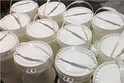
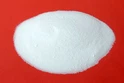
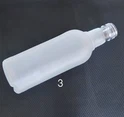
Before we discuss outdoor use, let's briefly understand what glass frosting chemicals are. These chemicals are designed to create a frosted appearance on glass surfaces. They work by etching the glass, which scatters light and gives the glass a translucent or opaque look. There are various types of glass frosting chemicals available, including AG GLASS GLASS FROSTING POWDER, Satin Effect Glass Frosting Powder, and Oil Sand Effect Glass Wine Bottle. Each type has its unique characteristics and is suitable for different applications.
Factors Affecting Outdoor Use
Weather Conditions
One of the primary concerns when using glass frosting chemicals outdoors is the weather. Outdoor glass is exposed to a wide range of weather conditions, including rain, snow, sunlight, and extreme temperatures. These conditions can have a significant impact on the durability and performance of the frosted glass.
- Rain and Snow: Moisture can potentially affect the chemical bond between the frosting chemical and the glass. If the frosting is not properly sealed or if the chemical is not water - resistant, rain and snow can cause the frosted effect to fade or become patchy over time.
- Sunlight: Ultraviolet (UV) rays from the sun can also degrade the frosting effect. Some glass frosting chemicals may be sensitive to UV radiation, which can cause discoloration or a loss of the frosted appearance.
- Extreme Temperatures: Fluctuations in temperature can cause the glass to expand and contract. If the frosting chemical does not have good adhesion or flexibility, it may crack or peel off during these temperature changes.
Environmental Pollutants
Outdoor glass is also exposed to environmental pollutants such as dust, dirt, and chemicals in the air. These pollutants can accumulate on the frosted glass surface and may be more difficult to clean compared to regular glass. Additionally, some pollutants may react with the frosting chemical, potentially altering its appearance or performance.
Physical Damage
Outdoor glass is more likely to be subjected to physical damage, such as impacts from flying debris, vandalism, or accidental bumps. The frosted surface may be more vulnerable to scratches and chips compared to non - frosted glass, which can affect its aesthetic appeal and functionality.
Advantages of Using Glass Frosting Chemicals Outdoors
Despite the challenges, there are several advantages to using glass frosting chemicals outdoors.
Privacy and Aesthetics
Frosted glass can provide privacy in outdoor settings, such as in gardens, patios, or commercial outdoor areas. It can also add an aesthetic touch to the exterior of buildings, creating a unique and modern look.
Light Diffusion
Frosted glass scatters light, which can be beneficial in outdoor spaces. It can reduce glare and create a more even distribution of light, making the area more comfortable and visually appealing.
Protection from UV Rays
Some glass frosting chemicals can also provide a certain degree of protection against UV rays, which can be useful for protecting outdoor furniture, plants, or other items from sun damage.
Best Practices for Outdoor Use
If you decide to use glass frosting chemicals outdoors, here are some best practices to ensure the best results:
Choose the Right Product
Select a glass frosting chemical that is specifically designed for outdoor use. These products are usually formulated to be more resistant to weather conditions, UV radiation, and environmental pollutants. Look for products that have good adhesion, flexibility, and water - resistance.


Proper Surface Preparation
Before applying the frosting chemical, make sure the glass surface is clean and free of dirt, grease, and other contaminants. Use a suitable glass cleaner and dry the surface thoroughly. This will ensure better adhesion of the frosting chemical.
Application Method
Follow the manufacturer's instructions carefully when applying the frosting chemical. Use the appropriate tools and techniques to ensure an even and consistent application. In some cases, multiple coats may be required for a more durable and long - lasting effect.
Sealing
After applying the frosting chemical, consider applying a sealant to protect the frosted surface. A good sealant can provide an additional layer of protection against moisture, UV rays, and environmental pollutants. Make sure the sealant is compatible with the frosting chemical.
Regular Maintenance
Regularly clean the frosted glass to prevent the accumulation of dirt and pollutants. Use a mild glass cleaner and a soft cloth or sponge to avoid scratching the surface. Inspect the frosted glass periodically for any signs of damage or deterioration and take appropriate measures to repair or replace it if necessary.
Conclusion
In conclusion, glass frosting chemicals can be used outdoors, but it is essential to consider the various factors that can affect their performance and durability. By choosing the right product, following best practices for application and maintenance, and being aware of the potential challenges, you can achieve a beautiful and long - lasting frosted glass effect in outdoor settings.
If you are interested in purchasing glass frosting chemicals for your outdoor projects, we are here to help. Our team of experts can provide you with detailed information about our products, recommend the best solution for your specific needs, and offer support throughout the purchasing process. Feel free to contact us to start a conversation about your requirements and explore the possibilities of using our glass frosting chemicals outdoors.
References
- Glass Industry Magazine, various issues on glass treatment and outdoor applications.
- Manufacturer's product manuals for glass frosting chemicals.
- Research papers on the durability of glass coatings in outdoor environments.