Can glass frosting material be used on glass solar panels? That's a question I've been getting a lot lately, and as a supplier of Glass Frosting Material, I'm here to break it down for you.
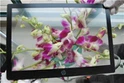
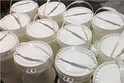
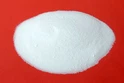
Let's start by understanding what glass frosting materials are all about. We've got different types, like the Glass Frosting Powder For Bottle and Water Based Glass Frosting Powder. These materials are usually used to give glass a frosted look, which can be really cool for things like decorative bottles and Satin Effect Glass Tea Cup. They work by creating a rough surface on the glass, scattering light and giving that opaque, frosted appearance.
Now, when it comes to glass solar panels, they're a whole different ballgame. Solar panels are designed to capture sunlight and convert it into electricity. The glass on these panels needs to be as transparent as possible so that as much sunlight as possible can pass through and reach the solar cells inside.
One of the main concerns with using glass frosting material on solar panels is the impact on light transmission. Frosting the glass would scatter the sunlight instead of letting it pass straight through. This means that less sunlight would reach the solar cells, and the efficiency of the solar panel would drop significantly. Solar panel manufacturers spend a lot of time and money optimizing the glass to have high light transmittance, and adding a frosting layer would basically undo all that hard work.
Another issue is heat. Solar panels can get pretty hot during operation, and the glass needs to be able to withstand these high temperatures. Some glass frosting materials might not be able to handle the heat, which could lead to cracking or peeling. This would not only damage the appearance of the panel but also affect its performance and lifespan.
But hey, it's not all bad news. There might be some niche applications where a bit of frosting on solar panels could actually be useful. For example, in some architectural settings where the aesthetics of the building are really important, a slightly frosted solar panel could blend in better with the overall design. However, this would have to be a careful balance between the visual appeal and the loss of efficiency.
If you're thinking about using glass frosting material on solar panels, you've got to do your homework. First, you need to test the material on a small sample of the solar panel glass. See how it affects the light transmission and how it holds up under different conditions. You can also consult with solar panel manufacturers or experts to get their opinion.
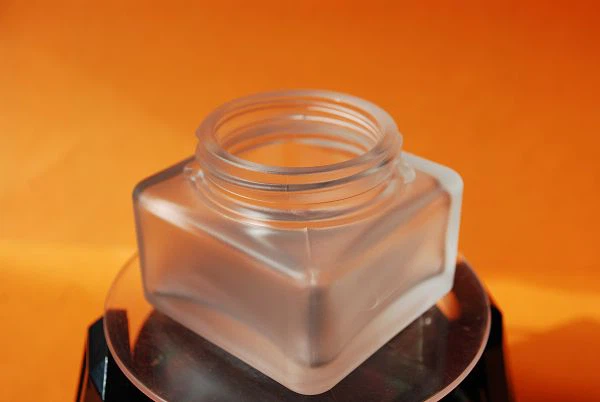
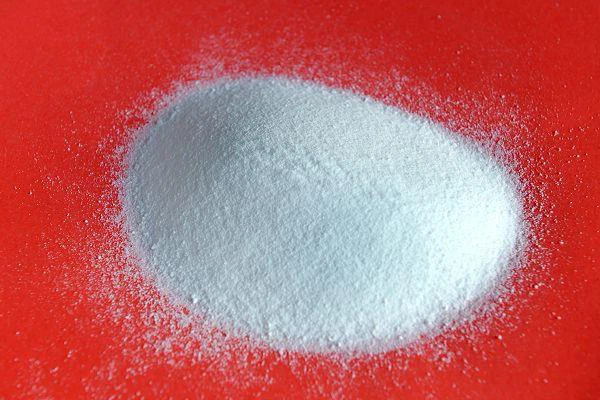
As a supplier of Glass Frosting Material, I know that our products are great for a wide range of glass applications. But when it comes to solar panels, it's a more complex issue. If you're interested in using our glass frosting materials for other projects, like those decorative bottles or tea cups I mentioned earlier, we've got a great selection. Just drop us a line, and we can talk about your specific needs and how our products can fit into your project.
In conclusion, while it's technically possible to use glass frosting material on glass solar panels, it's not something that should be done without careful consideration. The potential loss of efficiency is a major drawback, but there could be some situations where a little bit of frosting could be worth it for the sake of aesthetics. If you've got any questions or want to discuss further, don't hesitate to reach out. We're here to help you make the best decision for your project.
References
- General knowledge about solar panel technology and glass properties.
- Experience as a Glass Frosting Material supplier.