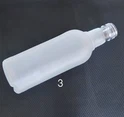
As a supplier of glass frosting material, I often receive inquiries from customers about the feasibility of using our products outdoors. This is a crucial question that many potential users of glass frosting materials grapple with, given the distinct environmental conditions outdoors compared to indoor settings. In this blog post, I'll delve into the factors that determine whether glass frosting material can be used outdoors, the advantages and challenges, and some real - world applications.


Understanding Glass Frosting Material
Before we discuss outdoor use, it's important to understand what glass frosting material is. Glass frosting is a process that modifies the surface of glass to create a translucent or opaque appearance. There are different types of glass frosting materials, including acid - based solutions, abrasive materials, and film - based products. Acid - based solutions work by chemically etching the glass surface, while abrasive materials physically scratch the glass to achieve the frosted effect. Film - based products are adhesive sheets that can be applied to the glass surface.
Factors to Consider for Outdoor Use
Weather Resistance
One of the most significant factors when considering outdoor use of glass frosting material is weather resistance. Outdoor environments are exposed to a wide range of weather conditions, including rain, snow, sunlight, and extreme temperatures. Acid - etched glass frosting, for example, is generally quite durable and can withstand normal weather conditions. The chemical etching process creates a permanent change in the glass surface, making it resistant to water and most environmental pollutants.
On the other hand, film - based glass frosting materials may face challenges in outdoor settings. Prolonged exposure to sunlight can cause the adhesive to degrade, leading to peeling or bubbling. High humidity and heavy rain can also seep under the edges of the film, compromising its adhesion. However, some high - quality films are designed with UV - resistant and weather - proof properties, which can enhance their suitability for outdoor use.
UV Exposure
Ultraviolet (UV) rays from the sun can have a significant impact on glass frosting materials. Over time, UV exposure can cause fading, discoloration, or degradation of the frosting effect. Acid - etched glass is relatively resistant to UV rays because the chemical change in the glass surface is permanent. Abrasive - frosted glass also tends to hold up well under UV exposure.
Film - based materials, as mentioned earlier, are more vulnerable to UV damage. Some manufacturers address this issue by adding UV - blocking agents to their films. When choosing a film for outdoor use, it's essential to look for products that are specifically labeled as UV - resistant. You can learn more about the benefits of different frosting finishes at What Is Matter Finish Good For.
Physical Impact
Outdoor glass is more likely to be exposed to physical impacts, such as flying debris, hail, or accidental collisions. Acid - etched and abrasive - frosted glass generally have good resistance to physical damage because the frosting is an integral part of the glass surface. However, film - based materials are more prone to scratches and tears. If the glass is in an area with a high risk of physical impact, a more durable frosting method like acid etching may be a better choice.
Advantages of Using Glass Frosting Material Outdoors
Privacy
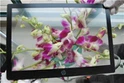
One of the primary advantages of using glass frosting material outdoors is privacy. In outdoor settings such as patios, balconies, or commercial storefronts, frosted glass can provide a degree of privacy without sacrificing natural light. For example, a restaurant with frosted glass partitions on its outdoor patio can create a more intimate dining experience for its customers.
Aesthetic Appeal
Glass frosting can enhance the aesthetic appeal of outdoor structures. It adds a touch of elegance and sophistication to glass surfaces, making them stand out. Satin - finished frosted glass, for instance, can give a modern and sleek look to a building's exterior. You can see an example of satin - effect glass in a unique application at Satin Effect Glass Medicine Bottle. Oil - sand effect glassware, which can also be used in outdoor decorative elements, offers a more textured and artistic appearance. Check out Oil Sand Effect Glassware for inspiration.
Glare Reduction
Outdoor glass can be subject to intense sunlight, which can cause glare. Frosted glass helps to reduce glare by diffusing the light, making it more comfortable for people to be around the glass. This is particularly useful in areas such as office buildings with large outdoor glass facades or in residential homes with sun - facing windows.
Challenges and Solutions
Maintenance
Maintaining glass frosting material outdoors can be more challenging than indoors. Dirt, dust, and environmental pollutants can accumulate on the frosted surface, affecting its appearance. Regular cleaning is essential to keep the glass looking its best. For acid - etched and abrasive - frosted glass, a mild detergent and water can be used for cleaning. Film - based materials may require more gentle cleaning methods to avoid damaging the film.
Installation
Proper installation is crucial for the success of using glass frosting material outdoors. Incorrect installation can lead to issues such as poor adhesion, air bubbles, or uneven frosting. When installing film - based materials, it's important to ensure that the glass surface is clean, dry, and free of any contaminants. For acid - etching or abrasive - frosting processes, professional installation is recommended to achieve a consistent and high - quality finish.
Real - World Outdoor Applications
Commercial Buildings
Many commercial buildings use glass frosting material on their exterior glass surfaces. Retail stores, for example, may use frosted glass on their storefronts to create a sense of privacy while still allowing potential customers to see the products inside. Office buildings often use frosted glass partitions on outdoor balconies or atriums to provide a more comfortable and private space for employees.
Residential Properties
In residential settings, glass frosting can be used on outdoor windows, doors, or patio enclosures. It can enhance the privacy of a backyard while adding a decorative element to the home. For example, a frosted glass door leading to a backyard patio can create a seamless transition between the indoor and outdoor spaces.
Conclusion
In conclusion, glass frosting material can be used outdoors, but it requires careful consideration of various factors such as weather resistance, UV exposure, and physical impact. Acid - etched and high - quality film - based materials with weather - proof and UV - resistant properties are generally more suitable for outdoor use. While there are challenges associated with outdoor installation and maintenance, the advantages of privacy, aesthetic appeal, and glare reduction make glass frosting a viable option for many outdoor applications.
If you're interested in using glass frosting material for your outdoor project, I encourage you to reach out to us. We have a wide range of glass frosting products to meet your specific needs. Our team of experts can provide you with detailed information and guidance on choosing the right material and installation method. Contact us today to start the conversation about your glass frosting requirements.
References
- "Handbook of Glass Frosting Techniques" - An industry - specific reference book that details different glass frosting methods and their properties.
- "Outdoor Glass Design Trends" - A publication that explores the latest trends in using glass in outdoor architectural and decorative applications.