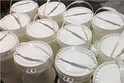
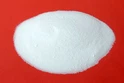
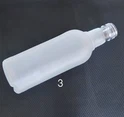
As a supplier of glass frosting powder, I often receive inquiries from artists and craftsmen about the feasibility of using our product on glass art pieces. In this blog post, I'll delve into the details of whether glass frosting powder can be effectively used on glass art, exploring its benefits, application methods, and limitations.
The Nature of Glass Frosting Powder
Glass frosting powder is a chemical compound that, when mixed with water and applied to glass surfaces, etches the glass to create a frosted appearance. The main component of most glass frosting powders is usually hydrofluoric acid salts, which react with the silica in the glass to form a rough, opaque surface. This process not only changes the visual appearance of the glass but also its tactile quality, giving it a smooth, satiny feel.
Benefits of Using Glass Frosting Powder on Glass Art
Aesthetic Enhancement
One of the primary reasons artists choose to use glass frosting powder is for its ability to transform the look of glass art pieces. The frosted effect can add depth, texture, and a sense of mystery to the artwork. It can soften the harshness of clear glass, making it more visually appealing and creating a unique contrast when combined with other design elements. For example, a Satin Effect On Vase can be achieved using our glass frosting powder, giving the vase a sophisticated and elegant look.
Privacy and Diffusion
In some cases, glass art pieces may be used in settings where privacy or light diffusion is desired. Glass frosting powder can effectively obscure the view through the glass while still allowing light to pass through, creating a soft, diffused glow. This is particularly useful for decorative panels, lampshades, or other art pieces that are intended to provide both aesthetic appeal and functional lighting.
Customization
Another advantage of using glass frosting powder is the high degree of customization it offers. Artists can create intricate patterns, designs, or textures on the glass surface by using stencils or masking techniques. This allows for endless creative possibilities, enabling artists to bring their unique visions to life. Whether it's a delicate floral pattern or a bold geometric design, glass frosting powder can be used to achieve the desired effect.
Application Methods
Preparation
Before applying glass frosting powder, it's important to prepare the glass surface properly. This involves cleaning the glass thoroughly to remove any dirt, grease, or fingerprints. The glass should be dry and free of any contaminants to ensure a uniform and consistent frosted effect. Additionally, it's recommended to wear appropriate protective gear, such as gloves and goggles, as glass frosting powder can be harmful if it comes into contact with the skin or eyes.
Mixing
The next step is to mix the glass frosting powder with water according to the manufacturer's instructions. The ratio of powder to water may vary depending on the specific product, so it's important to follow the guidelines carefully. Once the powder is fully dissolved in the water, the solution should be stirred well to ensure a homogeneous mixture.
Application
There are several methods for applying glass frosting powder to glass art pieces, including brushing, spraying, and dipping. The choice of method depends on the size and shape of the art piece, as well as the desired effect.
- Brushing: This is a simple and straightforward method that involves using a brush to apply the frosting solution to the glass surface. It's suitable for small or intricate areas where precise control is required.
- Spraying: Spraying the frosting solution can provide a more even and consistent coverage, especially for larger surfaces. A spray gun or aerosol can be used to apply the solution in a fine mist.
- Dipping: For glass art pieces that can be submerged in a container, dipping is a convenient method. The art piece is carefully immersed in the frosting solution for a specified period of time, depending on the desired level of frosting.
Drying and Finishing
After the frosting solution has been applied, it needs to dry completely. This may take several hours or overnight, depending on the environmental conditions. Once the glass is dry, it can be rinsed with water to remove any excess powder and dried again. If desired, the frosted surface can be further polished or buffed to enhance its smoothness and shine.
Limitations
While glass frosting powder offers many benefits for glass art, it also has some limitations that artists should be aware of.


Durability
The frosted effect created by glass frosting powder is generally permanent, but it may not be as durable as other glass treatments, such as sandblasting or acid etching. Over time, the frosted surface may become dull or scratched, especially if it's exposed to harsh chemicals or abrasive materials. Therefore, it's important to handle glass art pieces treated with frosting powder with care and avoid using abrasive cleaners or scrubbers.
Safety Concerns
As mentioned earlier, glass frosting powder contains hydrofluoric acid salts, which are toxic and can be harmful if inhaled, ingested, or absorbed through the skin. Therefore, it's essential to follow all safety precautions when using this product, including working in a well-ventilated area and wearing appropriate protective gear.
Compatibility with Other Materials
Glass frosting powder may not be compatible with all types of glass or other materials used in glass art. Some glasses may react differently to the frosting solution, resulting in an uneven or inconsistent frosted effect. Additionally, certain coatings or finishes on the glass may interfere with the frosting process. Therefore, it's recommended to test the frosting powder on a small, inconspicuous area of the glass art piece before applying it to the entire surface.
Conclusion
In conclusion, glass frosting powder can be a valuable tool for artists and craftsmen looking to add a unique and decorative touch to their glass art pieces. It offers many benefits, including aesthetic enhancement, privacy and diffusion, and customization. However, it also has some limitations, such as durability and safety concerns, that need to be considered. By understanding the properties and application methods of glass frosting powder, artists can make informed decisions about whether it's the right choice for their projects.
If you're interested in using our Ordinary Glass Frosting Powder for your glass art pieces, or if you have any questions or need further information, please don't hesitate to contact us. We're here to provide you with the best products and support to help you bring your creative visions to life. Whether you're a professional artist or a hobbyist, we look forward to working with you on your next glass art project.
References
- Glass Manufacturing and Processing Handbook.
- Chemical Safety Data Sheets for Glass Frosting Powders.