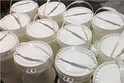
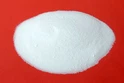
Quartz glass frosting powder is a remarkable product that has gained significant popularity in various industries due to its ability to transform the appearance of glass surfaces. As a supplier of quartz glass frosting powder, I am often asked whether this powder can be used on all types of glass. In this blog post, I will delve into this question, exploring the characteristics of different glass types and the compatibility of quartz glass frosting powder with them.


Understanding Quartz Glass Frosting Powder
Quartz glass frosting powder is a specialized material designed to create a frosted effect on glass surfaces. When applied, it etches the glass, altering its surface texture and light - transmitting properties. This results in a semi - transparent or opaque finish that can enhance privacy, add aesthetic appeal, or provide a soft, diffused lighting effect. The powder typically contains a combination of chemicals that react with the glass to achieve the desired frosting effect.
Types of Glass and Their Compatibility
Soda - Lime Glass
Soda - lime glass is the most common type of glass, used in everyday items such as windows, bottles, and drinking glasses. It is composed of silica, soda ash, and lime, and is relatively inexpensive to produce. Quartz glass frosting powder works very well on soda - lime glass. The chemical composition of soda - lime glass allows the frosting powder to etch the surface evenly, creating a smooth and consistent frosted finish. Whether you are looking to frost a large window for privacy or add a decorative touch to a glass bottle, quartz glass frosting powder can be an excellent choice for soda - lime glass. For more inspiration on using frosting powder on soda - lime glass, you can check out Satin Effect Patterned Glass.
Borosilicate Glass
Borosilicate glass is known for its high thermal resistance and chemical durability. It is commonly used in laboratory equipment, cookware, and high - end glassware. The presence of boron oxide in borosilicate glass makes it more resistant to chemical attack compared to soda - lime glass. While quartz glass frosting powder can be used on borosilicate glass, the frosting process may take longer, and the results may be slightly different. The powder may etch the surface at a slower rate, and achieving a deep and uniform frosted effect may require more time and effort. However, with proper application techniques, it is possible to achieve a satisfactory frosted finish on borosilicate glass.
Tempered Glass
Tempered glass is a type of safety glass that has been heat - treated to increase its strength and resistance to breakage. It is commonly used in shower doors, car windows, and architectural applications. Using quartz glass frosting powder on tempered glass is generally not recommended. Tempered glass has a high internal stress due to the tempering process. When the frosting powder etches the surface, it can disrupt this stress balance, leading to the glass shattering into small, granular pieces. This poses a significant safety risk, and alternative methods such as applying a frosted film should be considered for tempered glass.
Lead Crystal Glass
Lead crystal glass is a high - quality glass that contains lead oxide, which gives it a high refractive index and a brilliant sparkle. It is often used in fine glassware, chandeliers, and decorative items. Quartz glass frosting powder can be used on lead crystal glass, but special care must be taken. The lead content in the glass can react with the chemicals in the frosting powder, potentially causing discoloration or damage to the glass. It is advisable to test the frosting powder on a small, inconspicuous area of the lead crystal glass first to ensure that the desired effect is achieved without any adverse reactions.
Stained Glass
Stained glass is a type of decorative glass that is made by adding metallic salts to the glass during the manufacturing process, creating a wide range of colors. The frosting of stained glass using quartz glass frosting powder can be a complex process. The different colors in stained glass may react differently to the frosting powder, and there is a risk of altering the color or appearance of the glass. Additionally, stained glass is often delicate and may be damaged during the frosting process. It is recommended to consult with a professional or conduct thorough testing before attempting to frost stained glass with quartz glass frosting powder.
Advantages of Using Quartz Glass Frosting Powder
One of the main advantages of using quartz glass frosting powder is its versatility. It can be used to create a variety of frosted effects, from a light, satin - like finish to a deep, opaque frost. The powder is also relatively easy to apply, and with the right tools and techniques, it can be used for both small - scale and large - scale projects. Moreover, our Environmentally Friendly Glass Frosting Powder is formulated to minimize environmental impact while still delivering excellent results.
Another advantage is the cost - effectiveness. Compared to other methods of achieving a frosted glass effect, such as using frosted films or custom - made frosted glass, using quartz glass frosting powder is often more affordable. It allows users to transform existing glass surfaces without having to replace the entire glass, saving both time and money.
Applications of Quartz Glass Frosting Powder
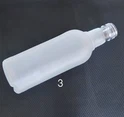
Quartz glass frosting powder has a wide range of applications. In the architectural industry, it can be used to frost windows for privacy in offices, homes, and public buildings. It can also be used to create decorative patterns on glass partitions and doors. In the cosmetics industry, the powder can be used to create a unique Oil Sand Effect Glass Cosmetic Bottle, enhancing the visual appeal of the product. In the arts and crafts field, it is a popular choice for creating one - of - a - kind glass art pieces.
Conclusion
In conclusion, quartz glass frosting powder cannot be used on all types of glass without careful consideration. While it works well on soda - lime glass and can be used on borosilicate, lead crystal, and some other types of glass with proper precautions, it is not suitable for tempered glass and requires special handling for stained glass. As a supplier of quartz glass frosting powder, I am committed to providing high - quality products and offering guidance to our customers on the best practices for using our powder on different types of glass.
If you are interested in using our quartz glass frosting powder for your project, we invite you to contact us for more information and to discuss your specific requirements. Our team of experts is ready to assist you in achieving the perfect frosted glass effect for your application.
References
- "Glass Science and Technology" by David R. Uhlmann and Norman J. Kreidl
- "Handbook of Glass Properties" edited by Werner Vogel
- Various industry reports and research papers on glass frosting techniques and materials.