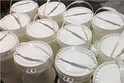
Does cosmetic glass frosting powder change the chemical properties of glass?
As a supplier of cosmetic glass frosting powder, I often encounter questions from customers regarding the impact of our product on the chemical properties of glass. This is a crucial topic, especially for those in the cosmetic industry who rely on glass packaging for their products. In this blog, I will delve into the science behind glass frosting powder and explore whether it alters the chemical nature of glass.
Understanding Glass and Its Chemical Properties
Before we discuss the effects of frosting powder, it's essential to understand the basic chemical composition of glass. Most commercial glass, including that used in cosmetic packaging, is soda - lime glass. It is primarily composed of silica (SiO₂), sodium oxide (Na₂O), and calcium oxide (CaO). Silica forms the network structure of the glass, providing its hardness and transparency. Sodium oxide acts as a flux, lowering the melting point of the glass during manufacturing, while calcium oxide improves the chemical durability of the glass.
The chemical properties of glass are characterized by its resistance to most chemicals, high melting point, and low reactivity under normal conditions. These properties make glass an ideal material for storing cosmetics, as it can protect the product from external contaminants and chemical reactions.
How Cosmetic Glass Frosting Powder Works
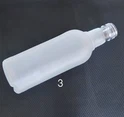
Cosmetic glass frosting powder is a specialized product designed to create a matte or frosted finish on the surface of glass. The frosting process typically involves two main types of mechanisms: mechanical and chemical.
Mechanical frosting uses abrasive particles in the powder to physically scratch the surface of the glass. This creates a rough texture that scatters light, giving the glass a frosted appearance. However, this method has limitations in terms of achieving a uniform finish and may not be suitable for high - end cosmetic packaging.
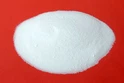
Chemical frosting, on the other hand, is the most commonly used method. It involves the use of chemicals in the frosting powder that react with the surface of the glass. The main active ingredients in chemical frosting powders are usually fluorides, such as ammonium bifluoride (NH₄HF₂). When the frosting powder is mixed with water to form a slurry and applied to the glass surface, the fluoride ions react with the silica in the glass.
The chemical reaction can be simplified as follows:
SiO₂ + 6HF → H₂SiF₆ + 2H₂O
Here, hydrofluoric acid (HF), which is generated in situ from the fluoride compounds in the frosting powder, reacts with silica to form hexafluorosilicic acid (H₂SiF₆) and water. This reaction etches the surface of the glass, creating a microscopic roughness that diffuses light and results in the desired frosted effect.
Impact on Chemical Properties
Now, let's address the key question: does cosmetic glass frosting powder change the chemical properties of glass?
Surface Composition
The chemical frosting process does change the surface composition of the glass. The reaction with fluoride ions removes a thin layer of silica from the glass surface, altering the original chemical structure. However, this change is mainly confined to the surface. The bulk of the glass, which is responsible for most of its chemical and physical properties, remains largely unaffected.
The new surface layer formed after frosting contains fluoride - containing compounds, which can have different chemical reactivity compared to the original silica surface. For example, the fluoride - treated surface may be more resistant to some types of chemical attack, as the fluoride compounds can act as a protective barrier. On the other hand, it may also be more reactive towards certain substances that can react with the fluoride - containing species.
Chemical Durability
In general, the chemical durability of the glass can be affected by the frosting process. If the frosting is not properly controlled, over - etching can occur, which may weaken the glass surface and reduce its resistance to chemicals. However, when the frosting is carried out under optimal conditions, the glass can still maintain a high level of chemical durability.
Some studies have shown that a well - frosted glass surface can actually have improved chemical resistance in certain environments. The microscopic roughness created by the frosting can trap a thin layer of air, which can act as a buffer between the glass and the surrounding chemicals. This can provide some protection against chemical corrosion.
Reactivity with Cosmetics
When it comes to cosmetic packaging, it's important to consider how the frosted glass will interact with the cosmetic products. Most cosmetic formulations are carefully designed to be compatible with glass. The slight changes in the surface chemistry of the frosted glass are usually not significant enough to cause any adverse reactions with the cosmetics.
However, it's always advisable to conduct compatibility tests between the frosted glass and the specific cosmetic product. This can help ensure that there are no chemical reactions that could affect the quality or stability of the cosmetic.
Applications and Benefits of Frosted Glass in Cosmetics
Frosted glass has several advantages in the cosmetic industry. The matte finish gives the packaging a high - end and luxurious look, which can enhance the brand image of the cosmetic product. It also provides some level of privacy for the contents, which can be beneficial for products that are sensitive to light or for which the appearance of the product may not be visually appealing.
If you are interested in learning more about the applications of matte finish in different industries, you can visit What Is Matte Finish Used For. Our glass frosting powder is not only suitable for cosmetic packaging but also for other applications such as Glass Frosting Powder For Glass Lamp Shades, Light Fixtures, Home Ware, Vases, Containers Bottles And Art Glass. And if you want to know how to produce a matte surface on bottles, check out How To Produce Matt Surface On Bottle.
Conclusion and Call to Action
In conclusion, while cosmetic glass frosting powder does cause some changes to the surface chemical properties of glass, the impact on the bulk chemical properties is minimal. When used correctly, frosted glass can offer many benefits for cosmetic packaging without compromising the quality and safety of the cosmetic products.

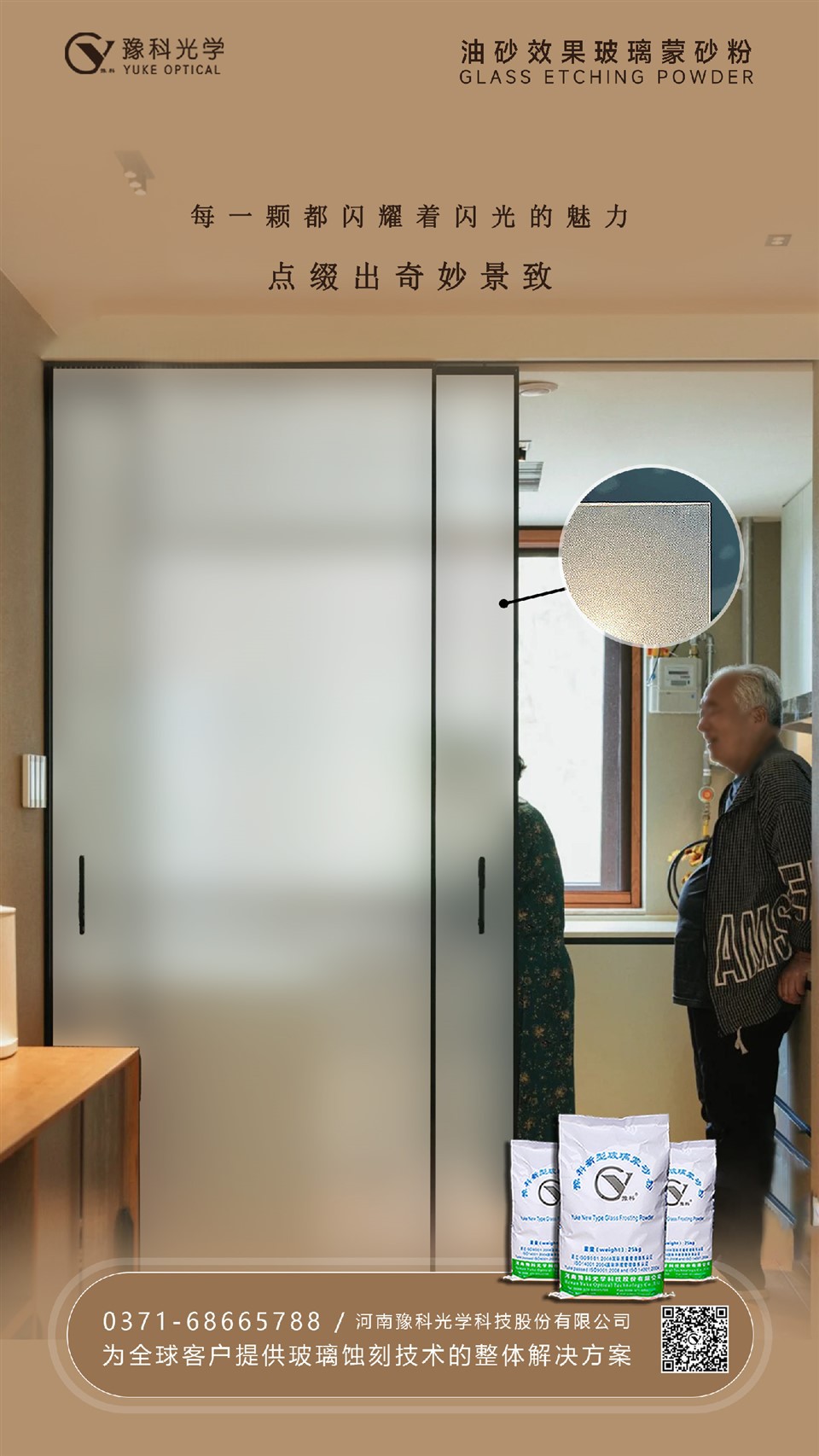
If you are in the cosmetic industry or any other industry that requires high - quality frosted glass products, I invite you to contact us for more information about our cosmetic glass frosting powder. We can provide samples and technical support to help you achieve the perfect frosted finish for your glass packaging. Let's work together to enhance the visual appeal and functionality of your products.
References
- "The Science of Glass" by Mark D. Ediger, University of Wisconsin - Madison.
- "Chemical and Physical Properties of Glass" by J. E. Shelby, The American Ceramic Society.
- "Frosting and Etching of Glass" in the Handbook of Glass Properties, edited by D. E. Day and B. O. Mysen.