Does Frosted Glass Material scratch easily?
As a supplier of frosted glass material, I've encountered numerous inquiries from clients about the scratch - resistance of frosted glass. This concern is quite understandable, as scratches can significantly impact the aesthetic and functional qualities of the glass. In this blog, I'll delve into the factors that influence the scratch - resistance of frosted glass and provide some insights based on industry knowledge and experience.
What is Frosted Glass?
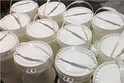
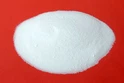
Frosted glass is a type of glass that has been treated to create a translucent surface. This treatment diffuses light, providing privacy while still allowing some light to pass through. There are several methods to achieve the frosted effect, including sandblasting, acid etching, and using frosting films or powders. For instance, Aqueous Glass Frosting Powder Chemical is a popular choice for creating a frosted finish on glass surfaces. The powder is mixed with water and applied to the glass, reacting with the surface to etch a frosted pattern.
Factors Affecting Scratch Resistance
-
Base Glass Quality
The quality of the base glass plays a crucial role in determining the scratch resistance of frosted glass. High - quality glass, such as tempered glass, is more resistant to scratches compared to standard annealed glass. Tempered glass undergoes a heat - treatment process that increases its strength and durability. When the base glass is strong, the frosted layer on top is also better protected from scratches. For example, if you use Gold Oil - Sand Effect Patterned Float Glass, which is likely made from high - quality float glass, it will have a better foundation for scratch resistance. -
Frosting Method
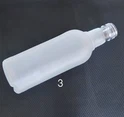
The method used to create the frosted effect can also impact scratch resistance. Sandblasting, for example, involves propelling fine sand particles at high speed onto the glass surface. This can create a relatively rough and porous frosted layer that may be more prone to scratches. On the other hand, acid etching creates a smoother and more uniform frosted surface, which can be more scratch - resistant. Using Glass Frosting Powder For Bottle to etch glass can result in a finish that is less likely to show scratches compared to a sandblasted finish. -
Surface Hardness
The hardness of the frosted glass surface is another important factor. Some frosted glass products may have a coating or treatment that increases their surface hardness. For example, there are anti - scratch coatings available that can be applied to frosted glass to enhance its resistance to abrasion. These coatings work by creating a protective layer on the glass surface, preventing scratches from occurring easily. -
Usage and Environment
The way the frosted glass is used and the environment it is placed in can also affect its scratch resistance. In high - traffic areas or environments where the glass is likely to come into contact with abrasive materials, scratches are more likely to occur. For example, if frosted glass is used in a commercial building's entrance where people are constantly brushing against it or if it is placed in an industrial setting where there are airborne particles, it will be more susceptible to scratches. In contrast, frosted glass used in a low - traffic residential bathroom is less likely to get scratched.

Testing Scratch Resistance
There are several methods to test the scratch resistance of frosted glass. One common method is the pencil hardness test. In this test, pencils of different hardness levels are used to scratch the glass surface. The hardness of the pencil that first leaves a visible scratch on the glass indicates the scratch resistance of the glass. Another method is the Taber abrasion test, which involves rubbing an abrasive wheel against the glass surface for a specified number of cycles and then measuring the amount of wear and the appearance of scratches.
Preventing Scratches on Frosted Glass
-
Proper Handling
During installation and transportation, proper handling is essential to prevent scratches. Use soft, non - abrasive materials when cleaning or moving the glass. Avoid dragging the glass across rough surfaces or using sharp objects near it. -
Regular Cleaning
Regular cleaning with a mild, non - abrasive cleaner can help maintain the appearance of frosted glass and prevent the build - up of dirt and debris that could cause scratches. Use a soft cloth or sponge to clean the glass, and avoid using abrasive scrubbers. -
Protective Films
Applying a protective film to the frosted glass can provide an extra layer of protection against scratches. These films are easy to install and can be removed if necessary. They act as a barrier between the glass surface and potential scratching agents.
Conclusion
In conclusion, whether frosted glass material scratches easily depends on multiple factors, including the base glass quality, frosting method, surface hardness, and usage environment. While frosted glass can be prone to scratches under certain conditions, proper selection, handling, and maintenance can significantly reduce the risk of scratching.
If you're interested in purchasing high - quality frosted glass materials or have any questions about scratch resistance, feel free to reach out for a procurement discussion. We're committed to providing you with the best frosted glass solutions tailored to your needs.
References
- ASTM International. (20XX). Standard Test Methods for Abrasion Resistance of Organic Coatings by the Taber Abraser.
- Glass Association of North America. (20XX). Glass Product Manual.
- Society of Glass and Ceramic Technology. (20XX). Journal of Glass Science and Technology.