As a supplier of chemicals for etching glass, I often receive inquiries from customers about how to apply these chemicals evenly on the glass surface. Achieving an even application is crucial for a high - quality and consistent etching result. In this blog, I will share some effective methods and considerations based on my years of experience in this field.
Understanding the Chemicals
Before we start discussing the application process, it's important to understand the types of chemicals we use for glass etching. We offer a variety of products, such as [Environmentally Friendly Etching Powder](/glass - etching - materials/environmentally - friendly - etching - powder.html), [AG GALSS ETCING POWDER FOR ACID ETCHING GLASS PRODUCTION](/glass - etching - materials/ag - galss - etcing - powder - for - acid - etching - glass.html), and [YK Glass Frosting Powder For Glass Bottles](/glass - etching - materials/yk - glass - frosting - powder - for - glass - bottles.html). Each of these products has its own characteristics and is suitable for different glass etching applications.
The environmentally friendly etching powder is a great choice for those who are concerned about the environmental impact. It is formulated to minimize the release of harmful substances while still providing excellent etching performance. The AG glass etching powder, on the other hand, is specifically designed for acid - etching glass production, which can create a smooth and uniform etched surface. The YK glass frosting powder is ideal for glass bottles, as it can create a frosted and decorative effect.
Surface Preparation
The first step in applying chemicals evenly on the glass surface is proper surface preparation. A clean and smooth glass surface is essential for an even application. Any dirt, grease, or fingerprints on the glass can prevent the chemicals from adhering evenly and may result in an uneven etching.
To clean the glass, start by using a mild glass cleaner and a soft cloth. Wipe the glass surface thoroughly to remove any visible dirt or debris. For stubborn stains, you can use a small amount of isopropyl alcohol. After cleaning, rinse the glass with clean water and dry it completely with a lint - free cloth. This will ensure that the glass surface is free of any contaminants that could affect the chemical application.
Masking
Masking is an important technique when you want to create specific patterns or protect certain areas of the glass from being etched. You can use masking tape or specialized masking films. When applying the masking material, make sure it adheres tightly to the glass surface to prevent the chemicals from seeping under it.
Cut the masking tape or film to the desired shape and size. For complex patterns, you may need to use a craft knife or scissors. Apply the masking material carefully, smoothing out any air bubbles or wrinkles. If you are using a masking film, make sure it is properly aligned with the glass surface. This will help you achieve a clean and precise etching result.
Mixing the Chemicals
Once the glass surface is prepared and masked, it's time to mix the chemicals. Follow the instructions provided with the specific product you are using. Different chemicals may require different mixing ratios and procedures.
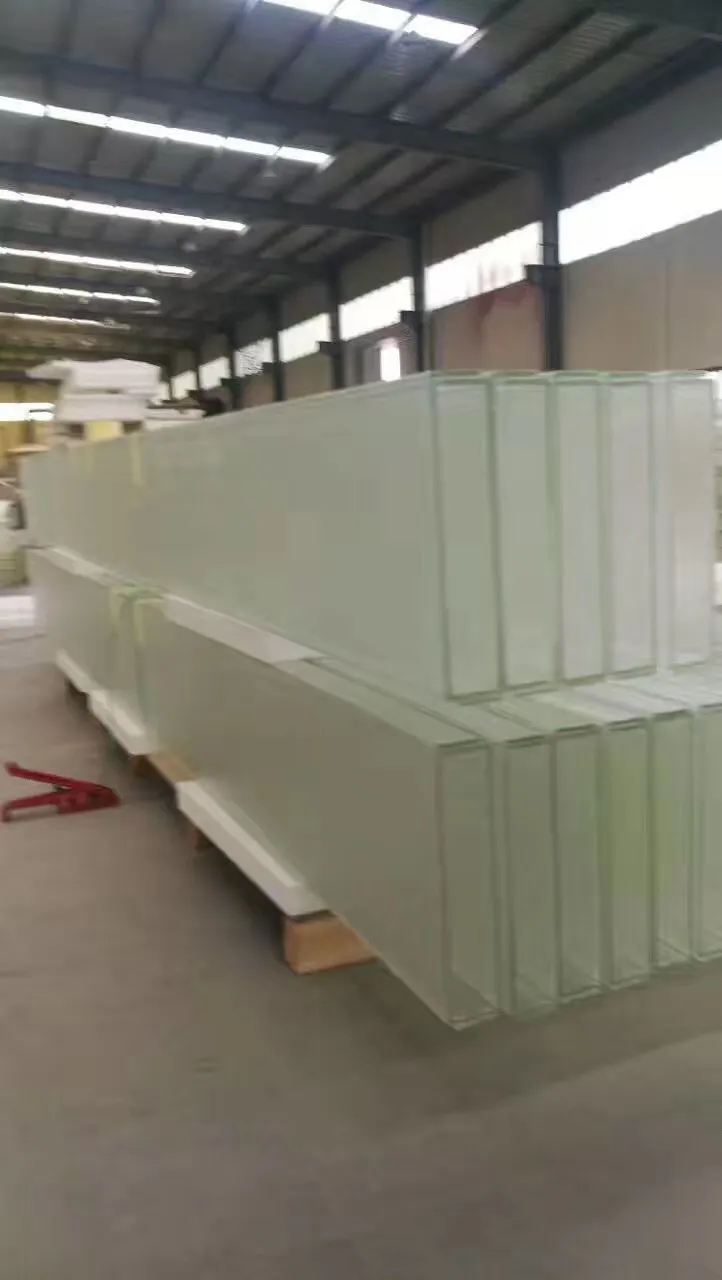
For powder - based products, you typically need to mix them with water or other solvents. Use a clean container and a stirrer to ensure that the powder is fully dissolved. Make sure to wear appropriate protective gear, such as gloves and goggles, during the mixing process, as some chemicals can be harmful if they come into contact with your skin or eyes.
Application Methods
Brushing
Brushing is a simple and commonly used method for applying etching chemicals on the glass surface. You can use a soft - bristled brush, such as a paintbrush or a specialty etching brush. Dip the brush into the chemical solution and then apply it to the glass surface in a smooth and even motion.
Start from one corner of the glass and work your way across. Make sure to apply an even layer of the chemical, avoiding any drips or puddles. If you need to apply multiple coats, wait for the first coat to dry slightly before applying the next one. This will help ensure a more uniform etching.
Spraying
Spraying is another effective method, especially for large glass surfaces or when you want a very fine and even application. You can use a spray gun or a spray bottle. Fill the spray gun or bottle with the chemical solution and adjust the spray pattern according to your needs.
Hold the spray gun or bottle at a consistent distance from the glass surface and move it in a steady, overlapping motion. This will help distribute the chemical evenly. Make sure to spray in a well - ventilated area to avoid inhaling the chemical fumes.
Dipping
Dipping is suitable for small glass objects or when you want to etch the entire surface of the glass. Prepare a container large enough to hold the glass object and fill it with the chemical solution. Carefully lower the glass object into the solution, making sure it is fully submerged.
Keep the glass object in the solution for the recommended time, which may vary depending on the type of chemical and the desired etching effect. After the specified time, remove the glass object from the solution and rinse it thoroughly with clean water.
Monitoring and Adjusting
During the application process, it's important to monitor the etching progress. Check the glass surface regularly to see if the etching is progressing evenly. If you notice any areas that are not being etched properly, you can make some adjustments.
For example, if you are using the brushing method and some areas seem to have less chemical coverage, you can go back and apply an extra layer of the chemical. If you are using the spraying method and there are uneven spray patterns, you can adjust the spray distance or the spray pattern.
Post - application Care
After the etching process is complete, it's important to take proper post - application care. Rinse the glass thoroughly with clean water to remove any remaining chemicals. You can also use a mild soap solution to clean the glass if necessary.

Dry the glass with a lint - free cloth and remove any masking material. Inspect the glass surface for any imperfections or uneven areas. If you find any issues, you may need to repeat the etching process in those areas or use other finishing techniques to improve the appearance.
Conclusion
Applying chemicals evenly on the glass surface requires careful preparation, the right application methods, and proper monitoring. By following the steps outlined in this blog, you can achieve a high - quality and consistent etching result.
If you are interested in our glass etching chemicals, such as [Environmentally Friendly Etching Powder](/glass - etching - materials/environmentally - friendly - etching - powder.html), [AG GALSS ETCING POWDER FOR ACID ETCHING GLASS PRODUCTION](/glass - etching - materials/ag - galss - etcing - powder - for - acid - etching - glass.html), or [YK Glass Frosting Powder For Glass Bottles](/glass - etching - materials/yk - glass - frosting - powder - for - glass - bottles.html), please feel free to contact us for more information and to discuss your specific needs. We are always ready to assist you in finding the best solutions for your glass etching projects.

References
- "Glass Etching Technology Handbook", a collection of industry - specific knowledge on glass etching processes and chemical applications.
- Research papers on the chemical composition and properties of glass etching chemicals, which provide theoretical support for the application methods.