Cleaning the tools used with glass etching cream is a crucial step in maintaining their functionality and ensuring consistent, high - quality results in your glass etching projects. As a supplier of Glass Etching Cream, I understand the importance of proper tool care and will share some effective cleaning methods in this blog.
Understanding the Nature of Glass Etching Cream
Before delving into the cleaning process, it's essential to understand what glass etching cream is. Glass etching cream typically contains chemicals like hydrofluoric acid or other strong acids that are capable of etching the surface of glass. These chemicals are highly corrosive and can cause damage not only to the glass but also to the tools used during the etching process if not properly cleaned.
There are different types of glass etching cream available in the market, such as Glass Etching Paste, Glass Etching With Cream, and Glass Etching Acid Cream. Each type may have slightly different chemical compositions, but they all share the common characteristic of being caustic substances.
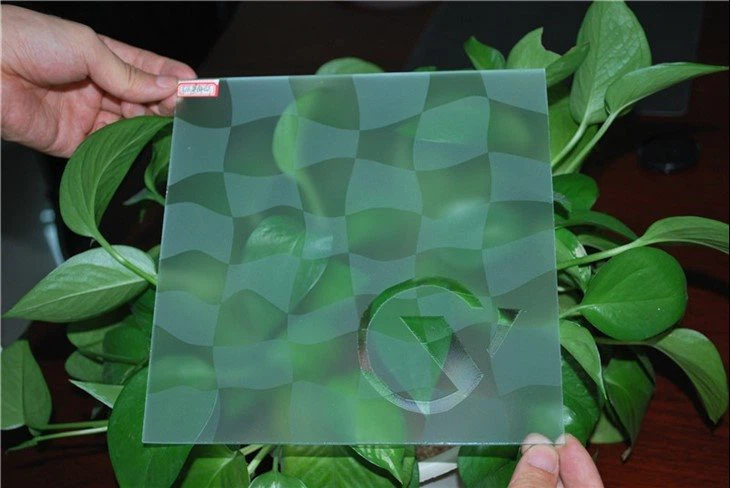

Tools Commonly Used with Glass Etching Cream
The tools used in glass etching with cream can vary depending on the project's complexity and the desired effect. Some of the most common tools include:
- Applicator Brushes: These are used to apply the glass etching cream evenly on the glass surface. Different brush sizes can be used for different areas, from small, detailed designs to large, flat surfaces.
- Spatulas: Spatulas are useful for spreading the cream, especially when working on larger areas or creating a thicker layer of cream on the glass.
- Stencils: Stencils are used to create specific patterns on the glass. They can be made of various materials such as vinyl or paper, and they need to be cleaned to ensure they can be reused.
- Gloves: Since glass etching cream is highly corrosive, gloves are a must - have safety tool. They also need to be properly cleaned or disposed of after use.
Cleaning Applicator Brushes
Applicator brushes are one of the most frequently used tools in glass etching. To clean them effectively, follow these steps:
- Initial Rinse: As soon as you finish using the brush, rinse it under running water. This will remove the majority of the glass etching cream from the brush bristles. Make sure to hold the brush by the handle and let the water flow through the bristles from the base to the tip.
- Soak in a Cleaning Solution: Prepare a solution of warm water and a mild detergent. Soak the brush in this solution for about 15 - 20 minutes. This will help to break down any remaining cream and loosen it from the bristles.
- Gently Agitate the Brush: After soaking, gently agitate the brush in the cleaning solution. You can do this by swishing the brush back and forth or using your fingers to gently massage the bristles. Be careful not to be too rough, as this can damage the bristles.
- Rinse Thoroughly: Once you have agitated the brush, rinse it again under running water until the water runs clear. This ensures that all the cleaning solution and glass etching cream have been removed from the brush.
- Shape the Bristles: After rinsing, reshape the bristles of the brush. You can do this by gently squeezing the bristles between your fingers and shaping them into their original form.
- Dry the Brush: Finally, lay the brush flat or hang it by the handle to dry. Make sure it is completely dry before storing it to prevent the growth of mold or mildew.
Cleaning Spatulas
Spatulas are relatively easy to clean. Here's how:
- Scrape Off Excess Cream: Use a clean, dry cloth or another spatula to scrape off as much of the glass etching cream as possible from the spatula's surface.
- Wash with Soap and Water: Wash the spatula with warm water and a mild detergent. Use a sponge or a cloth to scrub the spatula gently, paying special attention to any areas where the cream may have dried.
- Rinse and Dry: Rinse the spatula thoroughly under running water to remove all the soap and cream residues. Then, dry it with a clean towel or let it air - dry.
Cleaning Stencils
Stencils are important for creating precise patterns in glass etching. To clean them:
- Peel Off the Stencil: Carefully peel the stencil off the glass as soon as the etching process is complete. This will prevent the cream from drying and hardening on the stencil.
- Rinse with Water: Rinse the stencil under running water to remove the fresh glass etching cream.
- Soak in a Cleaning Solution: Prepare a solution of warm water and a small amount of dish soap. Soak the stencil in this solution for a few minutes to loosen any remaining cream.
- Gently Scrub the Stencil: Use a soft - bristled brush or a sponge to gently scrub the stencil. Be careful not to damage the stencil's pattern.
- Rinse and Dry: Rinse the stencil thoroughly under running water and then pat it dry with a clean towel or let it air - dry.
Cleaning Gloves
Gloves are a safety essential in glass etching. Here's how to handle them:
- Disposable Gloves: If you are using disposable gloves, simply remove them carefully after use and dispose of them in a proper waste container. Make sure to follow local regulations for the disposal of hazardous waste, as the gloves may be contaminated with glass etching cream.
- Reusable Gloves: For reusable gloves, rinse them immediately under running water to remove the cream. Then, wash them with a mild detergent and warm water. Rinse them thoroughly and let them air - dry.
Importance of Proper Cleaning
Properly cleaning the tools used with glass etching cream is not only important for their longevity but also for the quality of your future glass etching projects. If the tools are not cleaned properly, the remaining glass etching cream can contaminate new batches of cream, leading to inconsistent etching results. Additionally, dirty tools can harbor bacteria and other contaminants, which can pose a health risk.
Conclusion
Cleaning the tools used with glass etching cream is a straightforward process that requires a bit of time and attention. By following the steps outlined above, you can ensure that your tools remain in good condition and that your glass etching projects continue to yield excellent results.
If you are interested in purchasing high - quality glass etching cream or have any questions about glass etching tools and their maintenance, feel free to contact us for more information and to discuss your procurement needs. We are committed to providing you with the best products and support for all your glass etching requirements.
References
- "Glass Etching Techniques and Best Practices" - A guidebook on glass etching methods and tool care.
- Chemical Safety Data Sheets for various glass etching cream products.