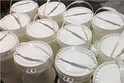
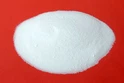
Hey there! As a supplier of Glass Etching Cream, I've seen my fair share of glass cracking issues when using our product. It's a bummer when you're all set to create a beautiful etched glass piece, and then the glass cracks on you. But don't worry, I'm here to share some tips on how you can prevent that from happening.
First off, let's understand why glass might crack when using glass etching cream. There are a few common reasons. One of the main ones is thermal stress. Glass is sensitive to rapid changes in temperature. If you apply the etching cream on a glass surface that's too hot or too cold, or if you expose the glass to a sudden temperature change during or after the etching process, it can cause the glass to crack.
Another reason could be mechanical stress. This can happen if the glass has any pre - existing flaws or scratches. When you apply the etching cream, the chemical reaction might exacerbate these weak points, leading to cracking. Also, if you're too rough when applying or removing the cream, it can put unnecessary pressure on the glass and cause it to break.
So, how do we prevent these issues?
1. Prepare the Glass Properly
Before you start using the Chemical Glass Etching Cream, make sure the glass is at room temperature. This means taking it out of the fridge or away from any heat sources and letting it sit for a while until it reaches the same temperature as the room. A good rule of thumb is to let the glass sit for at least an hour.
Inspect the glass carefully for any cracks, chips, or scratches. Even a tiny scratch can be a weak point that might lead to cracking during the etching process. If you find any flaws, it's best to use a different piece of glass.
Clean the glass thoroughly. Use a mild glass cleaner and a soft cloth to remove any dirt, grease, or fingerprints. A clean surface ensures that the etching cream can work evenly and reduces the risk of uneven stress on the glass.
2. Apply the Etching Cream Correctly
When applying the Glass Etching Paste, use a soft brush or a spatula. Be gentle and apply the cream in a thin, even layer. Avoid applying too much pressure, as this can cause mechanical stress on the glass.
If you're using a stencil, make sure it's firmly attached to the glass. Any gaps between the stencil and the glass can allow the cream to seep under and cause uneven etching, which might lead to stress points on the glass.
3. Control the Etching Time
Don't leave the etching cream on the glass for too long. Follow the instructions on the product label carefully. Over - etching can cause the glass to become too thin in some areas, making it more prone to cracking.
Set a timer when you apply the cream so that you don't forget to remove it at the right time. Once the time is up, use a plastic scraper or a soft cloth to gently remove the cream. Rinse the glass thoroughly with water to remove any remaining cream.
4. Handle the Glass with Care During and After Etching
While the cream is on the glass, avoid moving or bumping the glass. Any sudden movement can cause stress on the glass and potentially lead to cracking.
After you've removed the cream and rinsed the glass, handle it gently. Let it dry completely before using or storing it. If you need to move the glass, hold it by the edges and avoid putting pressure on the etched area.


5. Avoid Rapid Temperature Changes
Even after the etching process is complete, be careful with temperature changes. Don't expose the etched glass to hot water right after rinsing it with cold water, or vice versa. If you want to clean the glass later, use water at a similar temperature to the room.
If you're planning to display the etched glass in an area where there are significant temperature fluctuations, like near a heater or an air - conditioner, consider taking extra precautions. You might want to use a protective coating or a frame to help reduce the impact of temperature changes on the glass.
6. Use Quality Products
As a supplier, I can't stress enough the importance of using high - quality glass etching cream. Our Glass Etching With Cream is formulated to be gentle on the glass while still providing excellent etching results. Using a cheap or low - quality cream might not only give you poor etching results but also increase the risk of glass cracking.
By following these tips, you can significantly reduce the chances of your glass cracking when using glass etching cream. Remember, a little bit of preparation and care can go a long way in ensuring that your etched glass projects turn out beautifully.
If you're interested in purchasing our high - quality glass etching cream, we'd love to hear from you. Whether you're a DIY enthusiast or a professional artist, our products are designed to meet your needs. Just reach out to us for a quote and let's start a great partnership.
References
- General knowledge from years of experience as a Glass Etching Cream supplier.
- Industry best practices for glass etching.