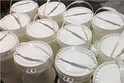
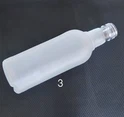
As a supplier of Glass Etching Chemical, I understand that encountering issues where the glass etching chemical doesn't etch the glass properly can be frustrating. In this blog, I'll share some troubleshooting steps based on my experience in the industry.
1. Check the Glass Surface
The first step in troubleshooting is to examine the glass surface. A dirty or contaminated glass surface can prevent the etching chemical from working effectively. Grease, fingerprints, dust, or residues from previous cleaning agents can act as barriers between the chemical and the glass.
- Clean the Glass Thoroughly: Use a high - quality glass cleaner and a lint - free cloth. Make sure to remove all visible dirt and contaminants. For stubborn stains, you may need to use a mild abrasive cleaner, but be careful not to scratch the glass. After cleaning, rinse the glass with clean water and dry it completely.
- Inspect for Coating or Treatments: Some glass products come with protective coatings or treatments. These can interfere with the etching process. If you suspect the glass has a coating, try a small test area on an inconspicuous part of the glass. If the chemical doesn't etch the test area, you may need to remove the coating. However, this should be done with caution as improper removal can damage the glass. You can refer to Chemical Etching of Glass for more detailed information on glass surface preparation.
2. Evaluate the Chemical Itself
The quality and condition of the glass etching chemical play a crucial role in the etching process.


- Check the Expiration Date: Like many chemicals, glass etching chemicals have a limited shelf life. Using an expired chemical can result in poor etching results. Always check the expiration date on the product label before use. If the chemical is expired, it's best to replace it with a fresh batch.
- Verify the Storage Conditions: Incorrect storage can degrade the effectiveness of the chemical. Glass etching chemicals should be stored in a cool, dry place away from direct sunlight and heat sources. Extreme temperatures can cause the chemical to react or break down. If the chemical has been stored in improper conditions, it may not work as expected.
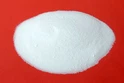
- Inspect for Contamination: Contamination of the chemical can also lead to problems. Make sure the container is properly sealed and that no foreign substances have entered the chemical. If you suspect contamination, it's advisable to discard the affected chemical and use a new one. Our Etching Powder for Glass is carefully formulated and comes with proper storage instructions to ensure its effectiveness.
3. Review the Application Process
The way the etching chemical is applied to the glass can significantly impact the results.
- Follow the Instructions: Each glass etching chemical product has specific application instructions. Make sure you read and follow these instructions carefully. This includes the recommended application method (such as brushing, spraying, or dipping), the amount of chemical to use, and the contact time. Deviating from the instructions can lead to uneven or incomplete etching.
- Ensure Proper Coverage: When applying the chemical, make sure it covers the entire area you want to etch evenly. Uneven application can result in some areas being etched more than others. Use a suitable applicator, such as a brush or a sprayer, and work in a systematic manner.
- Control the Contact Time: The contact time between the chemical and the glass is critical. If the contact time is too short, the etching may be incomplete. On the other hand, if the contact time is too long, it can over - etch the glass, causing it to become rough or damaged. Set a timer and remove the chemical at the recommended time.
4. Consider the Environmental Factors
Environmental conditions can also affect the etching process.
- Temperature and Humidity: The temperature and humidity of the environment where the etching is taking place can influence the chemical reaction. In general, glass etching chemicals work best at moderate temperatures and humidity levels. Extreme cold or heat can slow down or speed up the reaction, respectively. High humidity can cause the chemical to dry too slowly, while low humidity can cause it to dry too quickly. Try to perform the etching process in an environment with stable temperature and humidity conditions.
- Ventilation: Adequate ventilation is essential when working with glass etching chemicals. These chemicals often release fumes that can be harmful if inhaled. Poor ventilation can also affect the etching process as the fumes may interfere with the chemical reaction. Make sure you work in a well - ventilated area, such as a room with open windows or a workspace equipped with a ventilation system.
5. Troubleshooting Specific Issues
- Uneven Etching: If you notice uneven etching, it could be due to uneven application, improper coverage, or variations in the glass surface. Check the application process and make sure you are applying the chemical evenly. If the problem persists, re - clean the glass surface and try again.
- No Etching at All: If the chemical doesn't etch the glass at all, first check the glass surface for contaminants or coatings. Then, verify the quality and condition of the chemical, including its expiration date and storage conditions. Also, double - check the application process and environmental factors.
- Over - Etching: Over - etching can occur if the contact time is too long or if the chemical is too strong. Reduce the contact time and make sure you are using the correct concentration of the chemical.
In conclusion, troubleshooting issues with glass etching chemicals requires a systematic approach. By checking the glass surface, evaluating the chemical, reviewing the application process, considering environmental factors, and addressing specific issues, you can often resolve the problem and achieve the desired etching results.
If you are still experiencing problems with our glass etching chemicals or have any questions about our products, we are here to help. We offer high - quality Material For Frosted Glass Decoration and other glass etching solutions. We encourage you to contact us for further assistance and to discuss your procurement needs. Our team of experts is ready to provide you with the best advice and support to ensure your glass etching projects are successful.
References
- General knowledge and experience in the glass etching chemical industry.
- Product documentation and research related to glass etching chemicals.