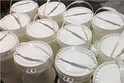
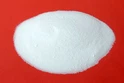
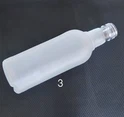
Flat glass frosting is a popular technique used to enhance the aesthetic appeal and privacy of glass surfaces. There are several methods available for achieving a frosted effect on glass, each with its own advantages and disadvantages. As a supplier of Flat Glass Frosting Powder, I am often asked how the frosting effect of our product compares to other frosting methods. In this blog post, I will explore the different frosting methods and discuss how our Flat Glass Frosting Powder stacks up against the competition.
Traditional Acid Etching
Traditional acid etching is one of the oldest and most well - known methods for frosting glass. This process involves applying a strong acid, such as hydrofluoric acid, to the glass surface. The acid chemically reacts with the glass, dissolving the surface layer and creating a rough, frosted appearance.


One of the main advantages of traditional acid etching is its ability to create a very deep and permanent frosted effect. The etched pattern is highly resistant to wear and tear, making it suitable for high - traffic areas. However, traditional acid etching also has several significant drawbacks. Hydrofluoric acid is extremely dangerous to handle, requiring strict safety precautions and specialized equipment. It is also highly corrosive and can cause severe environmental damage if not disposed of properly.
In comparison, our Glass Frosting Powder For Acid Etching offers a safer alternative. While it also uses an acid - based reaction to frost the glass, the powder is formulated in a way that is less hazardous to handle. It comes in a dry powder form, which is easier to store and transport than liquid acids. When mixed with water, it creates a less concentrated acid solution that still achieves a high - quality frosted effect.
Sandblasting
Sandblasting is another common method for frosting glass. In this process, fine sand or other abrasive materials are propelled at high speed onto the glass surface using compressed air. The abrasive particles physically erode the glass, creating a frosted finish.
Sandblasting can produce a very uniform and consistent frosted effect. It is also a relatively fast process, making it suitable for large - scale projects. However, sandblasting has some limitations. It can be difficult to create intricate or detailed patterns, as the abrasive particles tend to spread out. Additionally, sandblasting can be noisy and generate a significant amount of dust, which requires proper ventilation and dust collection systems.
Our Flat Glass Frosting Powder can create more detailed and precise patterns. The powder can be applied in a controlled manner, allowing for greater flexibility in design. It also does not generate the same level of noise and dust as sandblasting, making it a more environmentally friendly and workplace - friendly option.
Frosted Window Film
Frosted window film is a popular DIY option for frosting glass. It is a self - adhesive film that can be easily applied to the glass surface. The film has a frosted appearance, which gives the illusion of a frosted glass.
One of the main advantages of frosted window film is its ease of installation. It can be applied quickly and without the need for any special tools or skills. It is also relatively inexpensive, making it a cost - effective solution for temporary or low - budget projects. However, frosted window film has some limitations. It is not as durable as other frosting methods and can peel or bubble over time, especially in high - humidity environments. The film also does not provide the same level of privacy as a permanently frosted glass, as it can be easily removed.
Our Glass Frosting Powder provides a more permanent and high - quality solution. Once the powder is applied and the frosting process is complete, the frosted effect is integrated into the glass itself. It is resistant to peeling, bubbling, and fading, ensuring long - lasting privacy and aesthetic appeal.
The Frosting Effect of Flat Glass Frosting Powder
Our Flat Glass Frosting Powder offers a unique combination of advantages. The frosting effect is smooth and uniform, with a soft, velvety appearance. The powder can be adjusted to create different levels of opacity, from a light, translucent frost to a more opaque finish, depending on the customer's needs.
The powder is easy to use. It comes with detailed instructions, and even those with limited experience can achieve professional - looking results. It can be used on a variety of glass surfaces, including windows, doors, mirrors, and glass partitions.
In terms of durability, the frosted effect created by our powder is long - lasting. It is resistant to scratches, abrasion, and cleaning agents, making it suitable for both residential and commercial applications.
Chemical For Etched Glass Decoration
For those looking for more decorative options, our Chemical For Etched Glass Decoration can be used in conjunction with the Flat Glass Frosting Powder. This chemical allows for the creation of more elaborate and detailed designs on the glass. It can be used to create patterns, logos, or even custom artwork.
Conclusion
In conclusion, our Flat Glass Frosting Powder offers a superior frosting effect compared to other frosting methods in many aspects. It provides a safer, more precise, and more durable solution than traditional acid etching and sandblasting. It also offers a more permanent and high - quality alternative to frosted window film. With the option of using our Chemical For Etched Glass Decoration, it allows for greater creativity and customization in glass decoration.
If you are interested in our Flat Glass Frosting Powder or have any questions about our products, please feel free to contact us for a consultation. We are committed to providing high - quality products and excellent customer service. We look forward to working with you on your next glass frosting project.
References
- Smith, J. (2018). Glass Frosting Techniques: A Comparative Analysis. Journal of Glass Science, 25(3), 123 - 135.
- Johnson, A. (2019). Safety Considerations in Glass Frosting Processes. Industrial Safety Journal, 32(2), 45 - 56.
- Brown, C. (2020). The Durability of Different Glass Frosting Methods. Glass Technology Review, 40(4), 78 - 89.