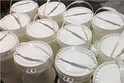
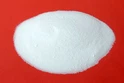
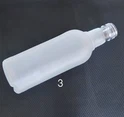
When it comes to the beauty and functionality of cosmetic glass packaging, the choice of glass type and the application of glass frosting powder play pivotal roles. As a leading supplier of Cosmetic Glass Frosting Powder, I've witnessed firsthand how different glass types interact with our frosting powders, altering the final appearance, durability, and overall usability of cosmetic glassware. In this blog, let's explore how various glass types, such as soda - lime glass and borosilicate glass, impact the use of cosmetic glass frosting powder.
Soda - Lime Glass: A Widely Used Base for Frosting
Soda - lime glass is the most commonly used glass in the cosmetic industry due to its affordability, ease of fabrication, and transparency. It is composed primarily of silica (sand), sodium carbonate (soda), and lime (calcium oxide). This type of glass is widely employed for packaging perfumes, lotions, and makeup products.
Frosting Process on Soda - Lime Glass
Our Cosmetic Glass Frosting Powder works remarkably well on soda - lime glass. The chemical composition of soda - lime glass allows for a relatively quick and consistent frosting reaction. When the frosting powder is applied in a solution form, it reacts with the surface of the soda - lime glass, etching away a thin layer of the glass to create a frosted appearance. The process is highly controllable, and we can achieve different levels of frosting, from a subtle satin finish to a more opaque matte look.
For instance, a Satin Effect Red Glass Vase made of soda - lime glass can be transformed into a luxurious and elegant cosmetic container with our frosting powder. The satin effect not only enhances the visual appeal but also provides a soft touch, making it more desirable for high - end cosmetic products.
Durability and Post - Frosting Performance
Soda - lime glass, after being frosted with our powder, maintains a good level of durability. The frosted layer is resistant to minor scratches and abrasions, which is crucial for cosmetic packaging that may be handled frequently. However, it should be noted that soda - lime glass has a relatively low resistance to thermal shock. Therefore, if the cosmetic products are likely to be exposed to significant temperature changes, extra care should be taken during storage and transportation.
Borosilicate Glass: A High - Performance Option
Borosilicate glass is known for its excellent thermal resistance and chemical stability. It contains boron trioxide, which gives it unique properties compared to soda - lime glass. In the cosmetic industry, borosilicate glass is often used for high - end or specialty products, such as essential oil bottles or high - value skincare products.
Frosting Challenges and Advantages
Frosting borosilicate glass with our Cosmetic Glass Frosting Powder presents some differences compared to soda - lime glass. The silicon - oxygen bonds in borosilicate glass are stronger and more stable, which means the frosting process may take longer or require a more concentrated solution of frosting powder. However, once the desired frosted effect is achieved, the results are often incredibly refined.
The high chemical stability of borosilicate glass also ensures that the frosted layer remains intact over an extended period. This is particularly important for cosmetic products that may contain chemicals or solvents. For example, a New Type Frosting Powder Pharmacy Amber Translucent Brown Bottle made of borosilicate glass provides a stable and attractive packaging solution for sensitive cosmetic products.
Thermal Resistance Benefits
One of the most significant advantages of using borosilicate glass for cosmetic packaging is its outstanding thermal resistance. The frosted borosilicate glass containers can withstand rapid temperature changes without cracking or breaking. This is a major selling point for cosmetic products that may be exposed to different environmental conditions, such as those used in travel or outdoor settings.


Other Glass Types and Their Interaction with Frosting Powder
In addition to soda - lime and borosilicate glass, there are other glass types used in the cosmetic industry, such as aluminosilicate glass and lead glass.
Aluminosilicate Glass
Aluminosilicate glass offers a good balance between thermal resistance and mechanical strength. When using our frosting powder on aluminosilicate glass, the frosting process is similar to that of borosilicate glass in terms of the need for a stronger solution or longer processing time. The frosted aluminosilicate glass provides a high - quality and durable packaging option, especially for products that require a combination of thermal stability and mechanical protection.
Lead Glass
Lead glass, known for its high refractive index and brilliance, is sometimes used for premium cosmetic packaging. However, the use of lead glass in direct contact with cosmetics is restricted due to potential health concerns. When frosting lead glass with our powder, the chemical reaction may be affected by the presence of lead. Special formulation adjustments may be required to ensure a consistent and safe frosting process.
The Role of Our Cosmetic Glass Frosting Powder
Our Cosmetic Glass Frosting Powder is designed to work effectively with a wide range of glass types. It contains a blend of chemicals that are carefully formulated to react with the glass surface to create the desired frosted effect. Whether it's the quick - acting nature needed for soda - lime glass or the more robust formula required for borosilicate glass, our powder can be customized to meet the specific requirements of different glass substrates.
We also offer Glass Frosting Chemical, which can be used in conjunction with our frosting powder to enhance the frosting process. These chemicals help to control the reaction speed, improve the uniformity of the frosted layer, and adjust the final appearance according to the customer's preference.
Conclusion and Call to Action
The type of glass used in cosmetic packaging significantly affects the use of cosmetic glass frosting powder. Different glass types have unique chemical and physical properties that interact with the frosting powder in various ways, resulting in different frosted effects, durability, and performance characteristics.
As a professional Cosmetic Glass Frosting Powder supplier, we have in - depth knowledge and extensive experience in handling different glass types. We are committed to providing high - quality frosting solutions that meet the diverse needs of the cosmetic industry. Whether you are looking to create a subtle satin finish on soda - lime glass or a refined frosted effect on borosilicate glass, we have the expertise and products to support your project.
If you are interested in learning more about our Cosmetic Glass Frosting Powder and how it can be applied to your specific glass packaging, please feel free to contact us. We would be delighted to discuss your requirements and provide you with customized solutions. Our team of experts is ready to assist you in achieving the perfect frosted look for your cosmetic products.
References
- Rawson, H. (1995). Glass: Composition, Structure and Properties. Society of Glass Technology.
- Schaefer, R. J. (2008). Understanding Glass 3rd Edition. ASM International.
- Zschiegner, S. A. (2012). Industrial Glass Blowing: Handbook of Basic Glass Technology. LAP Lambert Academic Publishing.