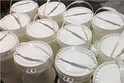
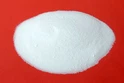
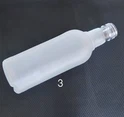
As a provider of water glass frosting powder, I've often been intrigued by how our product performs in different environments. High - altitude areas present a unique set of conditions that can significantly impact the performance of various materials, and water glass frosting powder is no exception. In this blog, I'll delve into the factors at play in high - altitude regions and how they affect the application and results of our water glass frosting powder.
Understanding High - Altitude Conditions
High - altitude areas are characterized by lower atmospheric pressure, lower oxygen levels, and generally colder temperatures compared to sea - level locations. These environmental factors can have a profound influence on chemical reactions and physical processes, which are integral to the functioning of water glass frosting powder.
Atmospheric pressure decreases with increasing altitude. This lower pressure can affect the boiling point of solvents and the rate of evaporation. For water glass frosting powder, which often involves a solution - based application, the reduced pressure means that solvents will evaporate more quickly. In some cases, this can lead to a faster drying time of the frosting solution on the glass surface. However, if the evaporation is too rapid, it may cause the solution to dry unevenly, resulting in an inconsistent frosting effect.
The lower oxygen levels at high altitudes can also impact chemical reactions. Many chemical processes rely on oxygen for oxidation or other reactions. Although water glass frosting powder doesn't typically involve oxygen - dependent reactions in a direct sense, the overall chemical equilibrium in the solution might be affected. This could potentially alter the reaction rates and the final properties of the frosted glass surface.
Colder temperatures are another significant factor. Cold temperatures slow down chemical reactions, which can extend the time required for the frosting powder to react with the glass surface. This might require longer waiting periods between application and the appearance of the desired frosting effect. Additionally, cold temperatures can increase the viscosity of the solution, making it more difficult to apply evenly.
Performance of Water Glass Frosting Powder in High - Altitude Areas
Application Process
When applying water glass frosting powder in high - altitude areas, the first challenge is often the preparation of the solution. Due to the lower atmospheric pressure, the solvents used in the solution may start to boil or evaporate during the mixing process if the temperature is not carefully controlled. This can lead to a change in the concentration of the solution, which is crucial for achieving a consistent frosting effect.
The application of the solution onto the glass surface also needs to be adjusted. As mentioned earlier, the faster evaporation rate can cause the solution to dry quickly. To counter this, it may be necessary to apply the solution in thinner layers or use a humidifier in the application area to slow down the evaporation. This ensures that the solution has enough time to react with the glass surface evenly.
Frosting Effect
The frosting effect achieved with water glass frosting powder in high - altitude areas can vary from what is typically seen at sea - level. The uneven drying caused by rapid evaporation may result in a patchy or streaky appearance on the glass. To mitigate this, it's important to use proper application techniques, such as using a smooth - edged applicator and applying the solution in a consistent motion.
The slower reaction rates due to cold temperatures can also affect the final appearance of the frosted glass. The frosted surface may be less smooth or have a different level of opacity compared to glass frosted at normal temperatures. However, with patience and proper adjustment of the application process, it is still possible to achieve a satisfactory frosting effect.
Durability
The durability of the frosted glass in high - altitude areas is another aspect to consider. The environmental conditions at high altitudes, such as strong UV radiation and extreme temperature variations, can test the durability of the frosted surface. Water glass frosting powder typically forms a relatively durable bond with the glass surface. However, the lower oxygen levels and cold temperatures during the reaction process may result in a slightly different molecular structure of the frosted layer. This could potentially affect its resistance to abrasion, chemical corrosion, and weathering.
Adapting to High - Altitude Conditions
As a water glass frosting powder provider, we understand the challenges faced by our customers in high - altitude areas. To ensure optimal performance, we recommend the following adaptations:
- Solution Preparation: Use solvents with higher boiling points to reduce the risk of rapid evaporation. Monitor the temperature closely during the mixing process and keep it within the recommended range.
- Application Techniques: Apply the solution in thinner layers and use a slower application speed. Consider using a humidifier in the application area to control the evaporation rate.
- Curing Time: Allow for longer curing times due to the slower reaction rates at cold temperatures. Avoid exposing the frosted glass to extreme conditions until the curing process is complete.
Case Studies and Product Recommendations
We've received feedback from customers in high - altitude areas, and based on their experiences, we've found that some of our products perform better than others in these conditions.
The Oil Sand Effect Glass Wine Bottle frosting powder has shown relatively good results. Its formulation is more resistant to the rapid evaporation effects at high altitudes, and it can still achieve a smooth and consistent oil - sand - like frosting effect even in cold temperatures.
The Gradual Changing Effect Glass Frosting Powder is another option. This powder allows for more flexibility in adjusting the frosting effect. In high - altitude areas, where the reaction rates are slower, the gradual - changing effect can be adjusted over a longer period to achieve the desired result.
For cosmetic glass bottles, the Satin Effect For Cosmetic Glass Bottle frosting powder is a great choice. It can provide a delicate and elegant satin finish, even when the application conditions are challenging due to high - altitude factors.
Tips for Customers in High - Altitude Areas
If you're a customer in a high - altitude area and are considering using our water glass frosting powder, here are some additional tips:
- Conduct Small - Scale Tests: Before applying the powder to a large batch of glass items, conduct small - scale tests on a few sample pieces. This allows you to adjust the application process and solution formulation based on the specific conditions in your area.
- Keep Records: Keep detailed records of the application process, including the temperature, humidity, and the time taken for each step. This information can be valuable for future applications and for troubleshooting any issues that may arise.
- Seek Technical Support: Don't hesitate to contact our technical support team. We have extensive experience in dealing with different environmental conditions and can provide personalized advice based on your specific situation.
Conclusion
In conclusion, water glass frosting powder can be used effectively in high - altitude areas, but it requires careful consideration of the unique environmental conditions. By understanding the factors at play, adapting the application process, and choosing the right products, it is possible to achieve high - quality frosted glass results.
If you're interested in purchasing our water glass frosting powder or have any questions about its performance in high - altitude areas, we encourage you to contact us for a detailed discussion. Our team of experts is ready to assist you in finding the best solutions for your specific needs.


References
- "Handbook of Glass Science and Technology", edited by David R. Uhlmann and Neil J. Kreidl.
- "Environmental Chemistry at High Altitudes", a research paper published in the Journal of Environmental Science and Technology.
- Customer feedback and case studies from high - altitude regions.