How to cure glass frosting powder if required?
As a supplier of glass frosting powder, I've encountered numerous inquiries regarding the curing process of this product. Curing glass frosting powder is a crucial step that can significantly impact the final appearance and quality of the frosted glass. In this blog, I'll share some professional insights and practical methods on how to cure glass frosting powder effectively.
Understanding Glass Frosting Powder
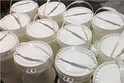
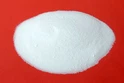
Before delving into the curing process, it's essential to understand what glass frosting powder is and how it works. Glass frosting powder is a chemical compound used to create a frosted or satin - like finish on glass surfaces. It typically contains substances such as ammonium bifluoride and other additives that react with the glass surface to etch it, resulting in a translucent and soft - looking appearance.
There are different types of glass frosting powders available in the market, designed for various applications. For instance, if you're aiming for a satin effect on glass, the Satinato Material For Satin Effect Glass Production can be an excellent choice. It offers a smooth and uniform satin finish that is highly sought after in decorative glass applications. On the other hand, if you prefer an oil - sand effect, the Oil - Sand Effect Frosted Float Glass can provide a unique and stylish look.
Factors Affecting the Curing of Glass Frosting Powder
Several factors can influence the curing process of glass frosting powder. These include temperature, humidity, the type of glass, and the application method.


- Temperature: Temperature plays a vital role in the curing process. Generally, a higher temperature can accelerate the chemical reaction between the frosting powder and the glass surface. However, extremely high temperatures may cause the frosting powder to dry too quickly, resulting in an uneven finish. On the contrary, low temperatures can slow down the reaction, prolonging the curing time. The ideal temperature range for curing glass frosting powder is usually between 20°C and 30°C (68°F - 86°F).
- Humidity: Humidity also affects the curing process. High humidity can slow down the evaporation of the liquid in the frosting powder mixture, while low humidity can cause the mixture to dry too fast. A relative humidity of around 40% - 60% is considered optimal for curing.
- Type of Glass: Different types of glass have different chemical compositions, which can affect the reaction with the frosting powder. For example, tempered glass may require a different curing process compared to regular float glass. It's important to test the frosting powder on a small area of the glass first to ensure compatibility.
- Application Method: The way the frosting powder is applied to the glass surface can also impact the curing. Whether it's sprayed, brushed, or dipped, each method has its own requirements for curing. For example, sprayed applications may require a more even distribution of the powder, and proper ventilation during curing to prevent the formation of bubbles.
Curing Methods
There are two main methods for curing glass frosting powder: natural curing and forced curing.
- Natural Curing
- Process: Natural curing is the simplest method. After applying the glass frosting powder to the glass surface, simply let it dry in a well - ventilated area at room temperature. This method is suitable for small - scale projects or when you have plenty of time.
- Advantages: It is cost - effective as it doesn't require any additional equipment. It also allows for a more natural and uniform curing process in most cases.
- Disadvantages: The curing time can be relatively long, usually taking several hours to a day depending on the environmental conditions.
- Forced Curing
- Process: Forced curing involves using external heat sources or other equipment to speed up the curing process. This can be done using a heat gun, an oven, or a drying chamber. When using a heat gun, keep it at a safe distance from the glass surface to avoid overheating and cracking. If using an oven, pre - heat it to the appropriate temperature (usually around 50°C - 80°C) and place the glass inside for a specific period.
- Advantages: It significantly reduces the curing time, which is beneficial for large - scale production. It also allows for more precise control of the curing conditions.
- Disadvantages: It requires additional equipment, which can increase the cost. There is also a risk of overheating the glass if not controlled properly.
Step - by - Step Guide to Curing Glass Frosting Powder
- Prepare the Glass Surface: Thoroughly clean the glass surface to remove any dirt, grease, or fingerprints. This ensures better adhesion of the frosting powder.
- Mix the Frosting Powder: Follow the manufacturer's instructions to mix the frosting powder with the appropriate liquid, usually water or a specific solvent. Stir the mixture well until it forms a smooth paste.
- Apply the Frosting Powder: Use a brush, spray gun, or other application tools to apply the frosting powder evenly on the glass surface. Make sure to cover the entire area you want to frost.
- Start the Curing Process:
- Natural Curing: Place the glass in a well - ventilated area at room temperature. Let it dry naturally, checking periodically for signs of drying.
- Forced Curing: If using a heat gun, hold it about 10 - 15 cm away from the glass surface and move it slowly and evenly across the area. If using an oven, place the glass on a heat - resistant rack and set the temperature and time according to the requirements.
- Inspect the Cured Glass: Once the curing is complete, carefully inspect the glass for any uneven areas, bubbles, or other defects. If necessary, touch up the areas with additional frosting powder and repeat the curing process.
Applications of Cured Frosted Glass
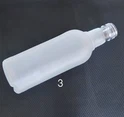
Cured frosted glass has a wide range of applications. In the architectural field, it can be used for partitions, windows, and doors to provide privacy while still allowing light to pass through. In the interior design industry, it can be used for decorative elements such as shelves, tabletops, and wall panels. The Cosmetic Bottle Moisturizer Container Glass Pharmacy Laboratory Bottle Supplier also utilizes frosted glass for its aesthetic appeal and ability to protect the contents from excessive light.
Contact for Purchase and Consultation
If you're interested in purchasing high - quality glass frosting powder or need more in - depth advice on the curing process, feel free to reach out. We're here to provide you with the best products and professional guidance to meet your specific needs. Whether you're a small - scale DIY enthusiast or a large - scale manufacturer, we can offer customized solutions for your glass frosting projects.
References
- "Glass Surface Treatment Technologies" by John Smith
- "Chemical Reactions in Glass Etching" by Emily Johnson
- Manufacturer's guidelines for glass frosting powder products.