Enhancing the adhesion of flat glass frosting powder to the glass is a crucial aspect in the glass decoration industry. As a supplier of flat glass frosting powder, I have witnessed firsthand the importance of achieving strong adhesion for a high - quality and long - lasting frosted effect. In this blog, I will share some effective methods and insights on how to enhance this adhesion.
Understanding the Basics of Glass and Frosting Powder Adhesion
Before delving into the methods of enhancing adhesion, it is essential to understand the basic principles behind the interaction between flat glass frosting powder and glass. The frosting powder works by chemically etching the surface of the glass. When the powder is mixed with a suitable activator or water and applied to the glass surface, it reacts with the silica in the glass, creating a micro - rough surface that scatters light, resulting in the frosted appearance.
However, for the frosted effect to be durable, the frosting powder needs to adhere firmly to the glass. Several factors can affect this adhesion, including the cleanliness of the glass surface, the quality of the frosting powder, the application method, and the curing conditions.
Pre - Treatment of the Glass Surface
One of the most critical steps in enhancing the adhesion of flat glass frosting powder is the pre - treatment of the glass surface. A clean and grease - free glass surface is essential for the frosting powder to bond effectively.
Cleaning the Glass
The glass should be thoroughly cleaned before applying the frosting powder. Use a high - quality glass cleaner to remove any dirt, dust, fingerprints, or grease from the surface. After cleaning, rinse the glass with clean water and dry it completely using a lint - free cloth. Any residue on the glass surface can act as a barrier between the frosting powder and the glass, reducing adhesion.
Etching the Glass (Optional)
In some cases, a light pre - etching of the glass surface can improve adhesion. This can be done using a mild acid solution or a specialized glass etching primer. Pre - etching creates a slightly rougher surface on the glass, providing more surface area for the frosting powder to adhere to. However, it is important to follow the manufacturer's instructions carefully when using etching solutions to avoid over - etching the glass.
Choosing the Right Frosting Powder
The quality of the flat glass frosting powder plays a significant role in adhesion. As a supplier, I always recommend using high - quality frosting powder that is specifically formulated for flat glass applications.
Particle Size and Composition
The particle size of the frosting powder can affect its adhesion. Finer particles generally provide a smoother and more uniform frosted effect and can adhere better to the glass surface. Additionally, the chemical composition of the powder is crucial. Look for frosting powders that contain high - quality chemicals that react effectively with the glass and form a strong bond.
Compatibility with Activators
Most frosting powders require an activator to initiate the chemical reaction. Make sure to choose an activator that is compatible with the frosting powder. Using an incompatible activator can result in poor adhesion and an uneven frosted effect.
Application Methods
The way the frosting powder is applied to the glass can also impact adhesion.
Mixing the Frosting Powder
Follow the manufacturer's instructions carefully when mixing the frosting powder with the activator or water. Over - or under - mixing can affect the chemical reaction and the adhesion of the powder to the glass. Use a clean container and a mixing tool to ensure a homogeneous mixture.
Application Techniques
There are several methods for applying flat glass frosting powder, including brushing, spraying, and dipping.
- Brushing: This method is suitable for small - scale applications or for creating detailed designs. Use a high - quality brush to apply the frosting powder mixture evenly to the glass surface. Make sure to apply the mixture in a thin and uniform layer. Multiple thin coats are often better than one thick coat for better adhesion.
- Spraying: Spraying is a more efficient method for large - scale applications. Use a spray gun to apply the frosting powder mixture evenly to the glass surface. Adjust the spray gun settings to ensure a fine and even spray pattern. Keep the spray gun at a consistent distance from the glass surface to avoid uneven application.
- Dipping: Dipping is commonly used for glass objects with complex shapes. Immerse the glass object in the frosting powder mixture for the recommended amount of time. Make sure the object is completely submerged and that the mixture covers all areas of the glass surface.
Curing Conditions
After applying the frosting powder, proper curing is essential for strong adhesion.

Temperature and Humidity
The curing process is affected by temperature and humidity. Most frosting powders require a specific temperature and humidity range for optimal curing. Generally, a warm and dry environment is ideal. Avoid applying the frosting powder in extremely cold or humid conditions, as this can slow down the chemical reaction and reduce adhesion.
Curing Time
Allow the frosting powder to cure for the recommended amount of time. Rushing the curing process can result in poor adhesion and a less durable frosted effect. During the curing period, avoid touching or disturbing the frosted glass surface.
Post - Treatment and Maintenance
Once the frosting powder has cured, post - treatment and maintenance can help to ensure long - lasting adhesion.
Sealing the Frosted Surface
Applying a clear sealant to the frosted glass surface can provide an additional layer of protection and enhance adhesion. A sealant can prevent moisture and other contaminants from penetrating the frosted layer and weakening the bond between the frosting powder and the glass.
Regular Maintenance
Regular cleaning and maintenance of the frosted glass can help to preserve its appearance and adhesion. Use a mild glass cleaner and a soft cloth to clean the frosted surface. Avoid using abrasive cleaners or tools that can scratch the frosted layer and reduce adhesion.
Conclusion
Enhancing the adhesion of flat glass frosting powder to the glass requires attention to detail at every step, from pre - treatment of the glass surface to post - treatment and maintenance. By following these tips, you can achieve a high - quality and long - lasting frosted effect on flat glass.
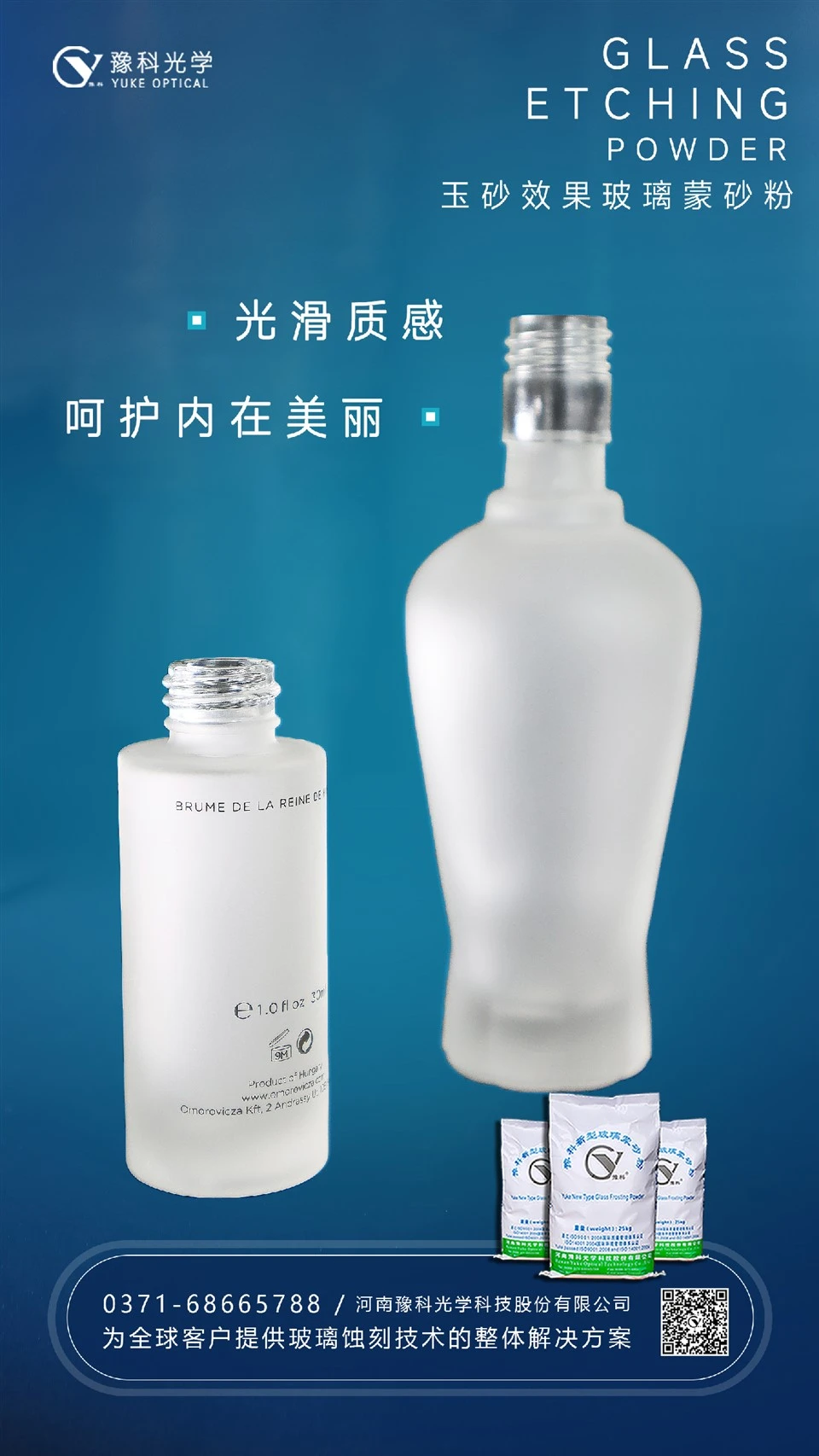
As a supplier of flat glass frosting powder, I am committed to providing high - quality products and technical support to our customers. If you are interested in Bottles Glass Frosting Powder, want to know What Does Satin Effect On Glass Feel Like, or need Chemical For Matt Glass Decoraiton, please feel free to contact us for more information and to discuss your specific requirements. We look forward to working with you to achieve the best results in your glass decoration projects.
References
- Glass Industry Handbook: A comprehensive guide to glass manufacturing and processing.
- Chemical Engineering Journal: Articles on chemical reactions and bonding in glass applications.
- Frosting Powder Manufacturer's Technical Manuals: Provide detailed information on product specifications and application guidelines.