As a supplier specializing in chemical etching of glass, I understand the critical importance of proper chemical storage. Chemical etching is a process that involves using specific chemicals to create decorative or functional patterns on glass surfaces. These chemicals, while highly effective, can be hazardous if not stored correctly. In this blog post, I will share some essential guidelines on how to store the chemicals used in the chemical etching of glass.
Understanding the Chemicals Used in Glass Etching
Before delving into storage methods, it's crucial to have a basic understanding of the chemicals commonly used in glass etching. The most frequently used chemicals include hydrofluoric acid (HF), ammonium bifluoride, and various fluoride salts. These chemicals work by reacting with the silica in the glass, breaking down its surface and creating the desired etched effect.
Hydrofluoric acid is a highly corrosive and toxic substance. It can cause severe burns and tissue damage, and inhalation of its vapors can be fatal. Ammonium bifluoride and other fluoride salts are also hazardous, as they can release hydrofluoric acid when in contact with water or acids.


General Storage Principles
- Segregation: Different types of chemicals should be stored separately to prevent accidental reactions. For example, acids should be stored away from bases, and oxidizing agents should be kept separate from flammable substances. In the context of glass etching, hydrofluoric acid should be stored in a dedicated area, away from other chemicals that could react with it.
- Ventilation: Adequate ventilation is essential to prevent the buildup of toxic fumes. Storage areas should be well-ventilated, either through natural ventilation or mechanical ventilation systems. This helps to reduce the concentration of harmful vapors in the air and protects the health of workers.
- Temperature and Humidity Control: Most chemicals used in glass etching are sensitive to temperature and humidity. They should be stored in a cool, dry place to prevent degradation and ensure their stability. Extreme temperatures can cause chemicals to react or decompose, while high humidity can lead to corrosion of storage containers.
- Labeling: All chemical containers should be clearly labeled with the name of the chemical, its hazards, and any handling instructions. This helps to ensure that workers can easily identify the chemicals and take appropriate safety precautions.
Specific Storage Requirements for Glass Etching Chemicals
Hydrofluoric Acid
- Container Material: Hydrofluoric acid should be stored in containers made of materials that are resistant to its corrosive properties. Polyethylene, polypropylene, and Teflon are commonly used materials for storing hydrofluoric acid. Glass containers should never be used, as hydrofluoric acid will react with the silica in the glass.
- Storage Location: Hydrofluoric acid should be stored in a dedicated storage cabinet or room that is designed to contain spills and leaks. The storage area should be well-ventilated and located away from sources of heat, flames, and incompatible chemicals.
- Secondary Containment: To prevent spills from spreading, hydrofluoric acid containers should be placed in secondary containment systems, such as spill trays or sumps. These systems should be made of materials that are resistant to hydrofluoric acid and should be large enough to contain the entire volume of the container in case of a spill.
Ammonium Bifluoride and Other Fluoride Salts
- Container Material: These chemicals should be stored in tightly sealed containers made of plastic or glass. Plastic containers are preferred, as they are less likely to break and are more resistant to corrosion.
- Storage Conditions: Ammonium bifluoride and other fluoride salts should be stored in a cool, dry place, away from moisture and acids. They should be kept in a well-ventilated area to prevent the buildup of toxic fumes.
- Compatibility: These chemicals should be stored separately from other chemicals that could react with them, such as strong acids and bases.
Storage of Glass Etching Powders
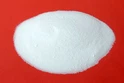
We offer a range of glass etching powders, including AG GALSS ETCING POWDER FOR ACID ETCHING GLASS PRODUCTION, Ordinary Glass Etching Powder, and YK-I Glass Etching Powder. These powders typically contain fluoride salts and other additives, and they should be stored according to the following guidelines:
- Container Sealing: The powders should be stored in tightly sealed containers to prevent moisture absorption and contamination. Plastic bags or containers with airtight lids are suitable for storing these powders.
- Storage Environment: They should be stored in a cool, dry place, away from direct sunlight and heat sources. High temperatures can cause the powders to degrade or react, reducing their effectiveness.
- Handling Precautions: When handling the powders, it's important to wear appropriate personal protective equipment, such as gloves and a dust mask, to prevent inhalation or skin contact.
Safety Equipment and Emergency Preparedness
In addition to proper storage, it's essential to have the necessary safety equipment and emergency preparedness measures in place. This includes:
- Personal Protective Equipment (PPE): Workers handling glass etching chemicals should wear appropriate PPE, such as gloves, goggles, aprons, and respirators. The type of PPE required depends on the specific chemicals being handled.
- Spill Kits: Spill kits should be readily available in the storage area and near the workstations. These kits should contain materials for absorbing and neutralizing spills, such as absorbent pads, neutralizing agents, and spill containment barriers.
- Emergency Eyewash and Shower Stations: In case of accidental exposure to chemicals, emergency eyewash and shower stations should be installed in the workplace. These stations should be easily accessible and maintained regularly to ensure their proper functioning.
- Training and Education: All workers involved in the handling and storage of glass etching chemicals should receive proper training on safety procedures, chemical hazards, and emergency response. This helps to ensure that they can handle the chemicals safely and respond effectively in case of an emergency.
Conclusion
Proper storage of the chemicals used in chemical etching of glass is essential for ensuring the safety of workers, protecting the environment, and maintaining the quality of the chemicals. By following the guidelines outlined in this blog post, you can minimize the risks associated with these chemicals and ensure a safe and efficient workplace.
If you are interested in purchasing high-quality glass etching chemicals or have any questions about our products, please feel free to contact us for procurement discussions. We are committed to providing you with the best products and services to meet your glass etching needs.
References
- "Chemical Safety Guidelines for the Glass Industry," Glass Association of North America.
- "Handling and Storage of Hydrofluoric Acid," Occupational Safety and Health Administration (OSHA).
- "Safety Data Sheets for Glass Etching Chemicals," Chemical Manufacturers' Associations.