Hey there! As a supplier of Frosting Glass Powder, I often get asked about the environmental friendliness of this product. So, I thought I'd take a deep - dive into this topic and share my thoughts with you.
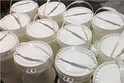
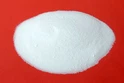
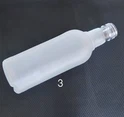
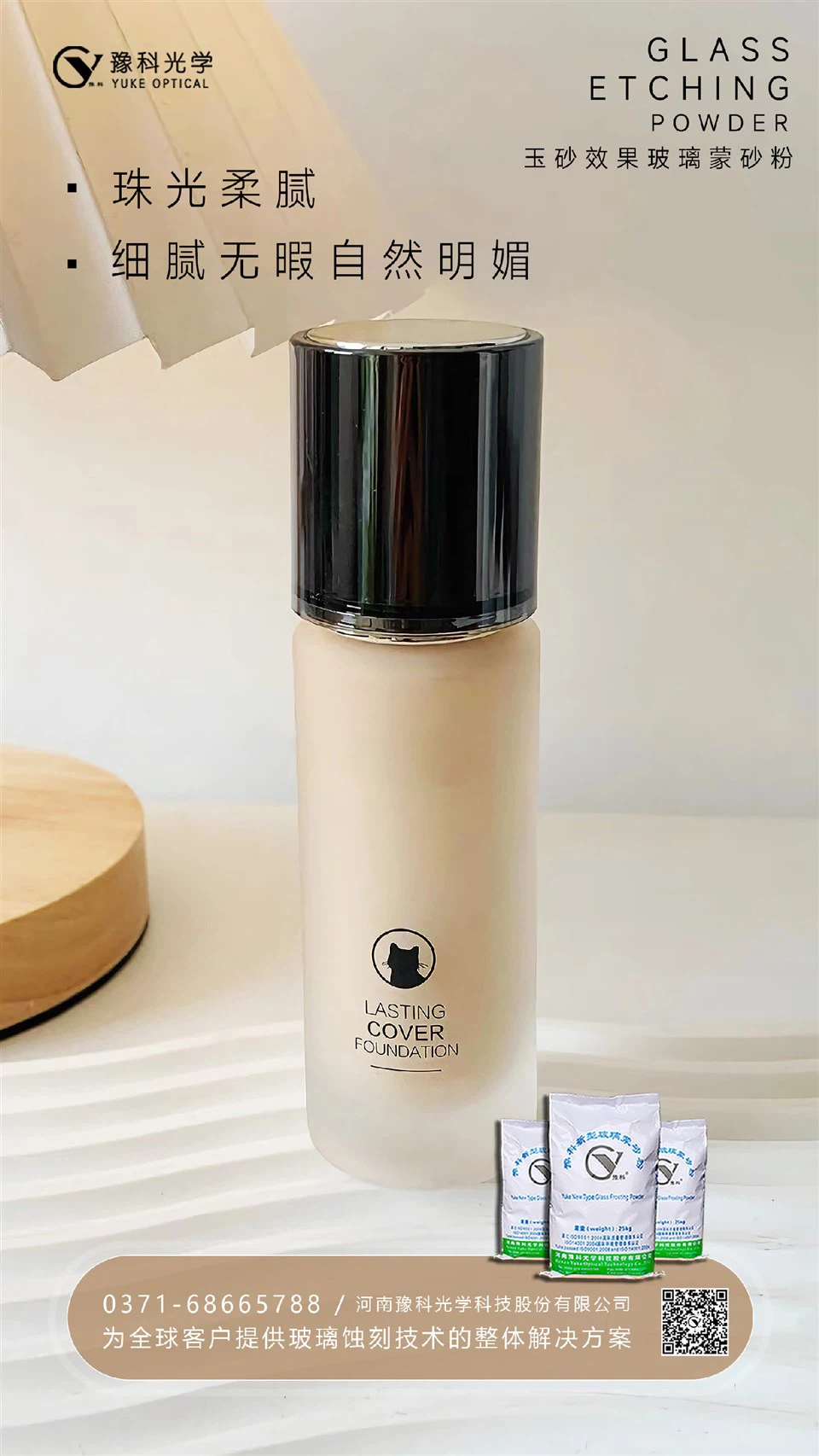
First off, let's understand what Frosting Glass Powder is. It's a material used to create a frosted effect on glass surfaces. You can see some of the amazing applications on these pages: Satin Effect Surface Of Glass Cosmetic Bottle, What Is Matter Finish Good For, and The Starry Mosaic Glass Brick. These links show how versatile Frosting Glass Powder can be, from making cosmetic bottles look sleek to creating unique glass bricks.
Now, when it comes to environmental friendliness, there are a few key aspects we need to consider.

Raw Materials
The raw materials used in Frosting Glass Powder play a huge role in determining its environmental impact. A lot of modern Frosting Glass Powders are made from natural minerals. These minerals are abundant in nature, which means that extracting them doesn't lead to the rapid depletion of rare resources. For example, some of the powders use silica - based materials. Silica is one of the most common substances on Earth, found in sand and quartz. Since it's so plentiful, mining it for Frosting Glass Powder production is relatively sustainable compared to mining for rare metals.
However, not all Frosting Glass Powders are created equal. Some older or lower - quality products might contain harmful chemicals like hydrofluoric acid. Hydrofluoric acid is extremely dangerous. It can cause serious harm to the environment if it leaks into soil or water sources. It can contaminate groundwater, making it unfit for human consumption and harmful to aquatic life. As a responsible supplier, I always make sure that the Frosting Glass Powder I offer is free from such hazardous chemicals.
Production Process
The production process of Frosting Glass Powder also affects its environmental footprint. In a well - run manufacturing facility, the production can be quite energy - efficient. Modern factories are adopting technologies that reduce energy consumption. For instance, some use advanced heating systems that recycle heat, so less energy is wasted.
On the other hand, if a factory uses outdated equipment and inefficient processes, it will consume a large amount of energy. This energy often comes from non - renewable sources like coal or oil, which contribute to greenhouse gas emissions and climate change. When I source my Frosting Glass Powder, I look for manufacturers that prioritize energy efficiency and use renewable energy sources as much as possible.
Waste Generation
Waste generation is another important factor. During the production of Frosting Glass Powder, there can be some waste materials. But a good manufacturer will have a waste management system in place. They can recycle or reuse the waste materials to minimize the amount of waste going to landfills. For example, some of the by - products can be used in other industries, like construction materials.
When it comes to the end - user, the application of Frosting Glass Powder on glass doesn't create a lot of waste. Once the glass is frosted, there's usually just a small amount of leftover powder that can be collected and potentially reused. This is much better than some other surface - finishing methods that generate large amounts of waste.
Impact on Glass Recycling
One of the concerns about using Frosting Glass Powder is its impact on glass recycling. Glass is one of the most recyclable materials out there. But if the Frosting Glass Powder leaves behind residues that are difficult to remove during the recycling process, it can make the recycling less efficient.
The good news is that most high - quality Frosting Glass Powders are designed to have a minimal impact on glass recycling. The frosted layer can be removed relatively easily during the recycling process, allowing the glass to be melted down and reused just like regular glass. This is important because recycling glass saves a lot of energy compared to producing new glass from raw materials.
Comparing with Other Frosting Methods
Let's compare Frosting Glass Powder with other frosting methods. One common alternative is the sandblasting method. Sandblasting involves shooting fine particles of sand or other abrasives at high speed onto the glass surface. While it can create a nice frosted effect, it has some environmental drawbacks.
Sandblasting consumes a lot of energy to operate the blasting equipment. It also generates a lot of dust, which can be a health hazard for workers and can contribute to air pollution. In contrast, Frosting Glass Powder application is generally a cleaner process. It doesn't create as much dust, and the energy consumption is usually lower.
Another alternative is using chemical etching solutions. As I mentioned earlier, some of these solutions contain harmful chemicals like hydrofluoric acid. They can be very dangerous to handle and can have a significant impact on the environment if not disposed of properly. Frosting Glass Powder, when made without such harmful chemicals, is a much safer and more environmentally friendly option.
Conclusion
In conclusion, Frosting Glass Powder can be environmentally friendly, but it really depends on the product and the manufacturing process. When choosing Frosting Glass Powder, it's important to look for products made from natural, non - toxic raw materials, produced in an energy - efficient way, and with minimal waste generation.
As a supplier, I'm committed to providing Frosting Glass Powder that meets high environmental standards. I believe that we can have beautiful frosted glass products without sacrificing the health of our planet.
If you're in the market for Frosting Glass Powder for your next project, whether it's for cosmetic bottles or glass bricks, I'd love to have a chat with you. You can reach out to me to discuss your needs, and we can find the best Frosting Glass Powder solution for you. Let's make your glass projects both beautiful and environmentally friendly!
References
- General knowledge about glass materials and manufacturing processes.
- Industry reports on sustainable materials in the glass - finishing industry.