When it comes to working with glass, achieving a frosted effect can add a touch of elegance and privacy to any piece. While applying glass frosting chemicals to flat glass is relatively straightforward, working with irregularly shaped glass presents unique challenges. As a trusted Glass Frosting Chemical supplier, we understand the intricacies involved in this process and are here to guide you through it.
Understanding Irregularly Shaped Glass
Irregularly shaped glass includes items such as curved glass, glass with intricate patterns, or glass objects with non - standard geometries. These shapes can be found in decorative glassware, custom architectural elements, or artistic glass pieces. The key to successfully frosting irregularly shaped glass lies in adapting traditional frosting techniques to fit the specific contours and features of the glass.
Preparing the Glass
Before applying any glass frosting chemical, it is essential to prepare the glass surface properly. This involves cleaning the glass thoroughly to remove any dirt, grease, or fingerprints. Use a mild glass cleaner and a soft, lint - free cloth to wipe the glass. For hard - to - reach areas on irregularly shaped glass, you may need to use a small brush or cotton swabs.
Once the glass is clean, dry it completely. Any moisture on the surface can interfere with the frosting process and lead to uneven results. Inspect the glass for any scratches or chips. Minor imperfections can be filled with a suitable glass filler, but significant damage may make the glass unsuitable for frosting.
Choosing the Right Glass Frosting Chemical
As a Glass Frosting Chemical supplier, we offer a range of products designed for different applications. When working with irregularly shaped glass, you need a chemical that can adhere well to the surface and provide a consistent frosted effect.
Some glass frosting chemicals come in a spray form, which can be useful for covering large or complex surfaces. Spray chemicals can reach into crevices and around curves more easily than brush - on products. However, they may require more careful masking to prevent overspray on unwanted areas.
Brush - on glass frosting chemicals are better for more precise work. They allow you to control the application and are ideal for detailed patterns or small areas. For irregular shapes, you can use a variety of brush sizes to ensure complete coverage.
Frosted Glass Material provides more information on the different types of glass frosting materials available, which can help you make an informed decision.
Masking the Glass
Masking is a crucial step, especially when working with irregularly shaped glass. You want to protect areas that you do not want to be frosted. Use high - quality masking tape or specialized glass masking film.
For complex shapes, it may be necessary to cut the masking tape or film into custom shapes. Take your time to ensure a tight fit around curves and edges. Pay special attention to corners and seams, as any gaps can allow the frosting chemical to seep through and create unwanted frosted areas.
If the glass has intricate patterns, you can use a stencil. Cut the stencil from a durable material such as vinyl or plastic. Place the stencil carefully on the glass, making sure it adheres firmly.
Applying the Glass Frosting Chemical
Spray Application
If you choose a spray - on glass frosting chemical, shake the can well before use. Hold the can at a consistent distance from the glass surface, usually around 6 - 8 inches. Start spraying in a smooth, even motion, following the contours of the glass.

For irregular shapes, it may be necessary to spray from multiple angles to ensure complete coverage. Move the can slowly and steadily, overlapping each pass slightly. Be careful not to spray too much in one area, as this can lead to drips and an uneven frosted effect.
Brush Application
When using a brush - on glass frosting chemical, dip the brush into the chemical and remove any excess by gently tapping the brush on the side of the container. Start applying the chemical at one end of the area to be frosted and work your way across.
Use long, smooth strokes, following the shape of the glass. For curved areas, use a flexible brush or a brush with a small head to get into tight spaces. Build up the layers gradually for a more opaque frosted effect, allowing each layer to dry before applying the next.
Drying and Curing
After applying the glass frosting chemical, allow it to dry according to the manufacturer's instructions. This usually takes a few hours, but it can vary depending on the type of chemical and the environmental conditions.
During the drying process, keep the glass in a well - ventilated area away from dust and debris. Avoid touching the frosted surface until it is completely dry. Once dry, some glass frosting chemicals may require a curing period. This can involve exposing the glass to a certain temperature or humidity level for a specified time.
Finishing Touches
Once the glass frosting chemical has dried and cured, carefully remove the masking tape or film. Use a sharp blade or a pair of tweezers to lift the edges of the masking material.
Inspect the frosted area for any unevenness or missed spots. If necessary, you can touch up these areas with a small brush and additional glass frosting chemical.
To enhance the durability of the frosted finish, you can apply a clear protective coating. This can also give the glass a more polished look.
Case Studies
Let's take a look at some real - world examples of using glass frosting chemical on irregularly shaped glass.
The Satin Effect Glass Used in Your Tearoom
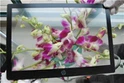
In a tearoom, the owner wanted to create a sense of privacy while maintaining an elegant aesthetic. The glass partitions in the tearoom had a slightly curved shape. Our glass frosting chemical was applied using a spray method. The result was a beautiful satin - like finish that diffused light and added a touch of sophistication to the space.
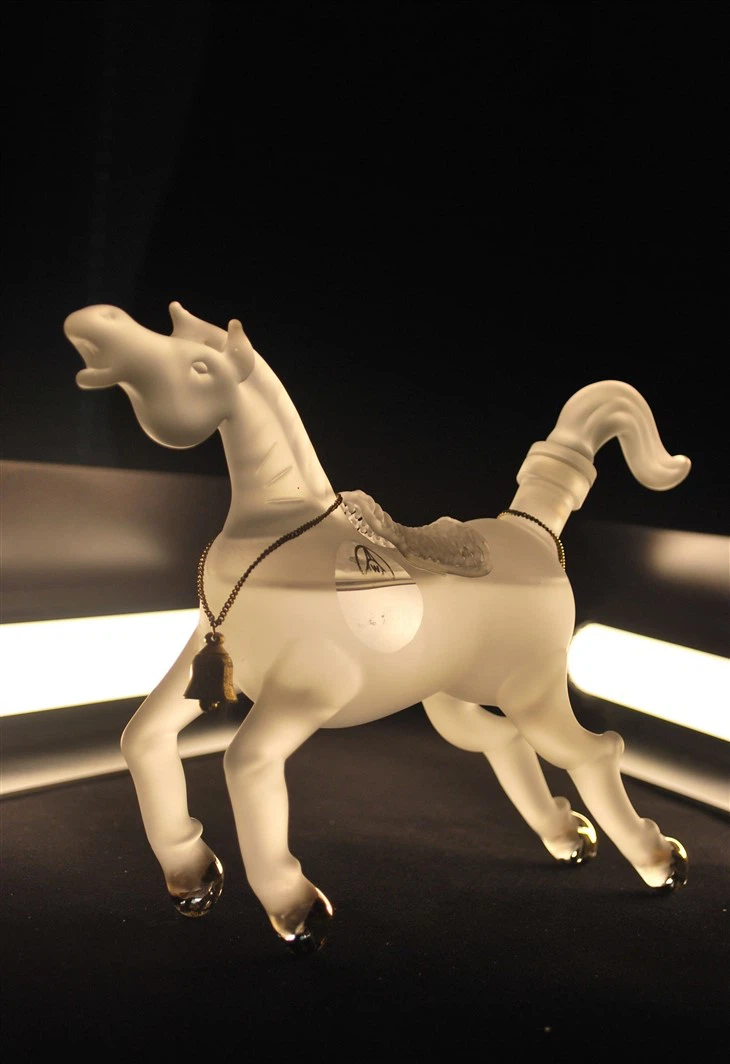
Satin Effect Glass Liquor Bottle In The Shape Of Horse
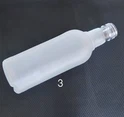
A liquor brand wanted to create a unique bottle design. The bottle was in the shape of a horse, with many irregular curves and details. Our brush - on glass frosting chemical was used to carefully apply the frosted effect, highlighting the bottle's shape and creating a luxurious look.
Contact Us for Your Glass Frosting Needs
If you are interested in purchasing high - quality glass frosting chemicals for your irregularly shaped glass projects, we are here to assist you. Our team of experts can provide you with detailed product information, application tips, and support throughout your project. Whether you are a professional glass artist, an architect, or a DIY enthusiast, we have the right solutions for you. Contact us today to start a discussion about your specific requirements and explore the possibilities of creating stunning frosted glass pieces.
References
- Glass Manufacturing Handbook, 2nd Edition
- Surface Finishing Techniques for Glass, by John Doe
- Frosted Glass Design and Application Guide, published by Glass Industry Press