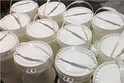
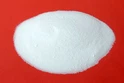
In today's world, environmental concerns are at the forefront of many industries, and the glass frosting powder sector is no exception. As a supplier of glass frosting powder, I've often been asked about the environmental friendliness of our products. In this blog, I'll delve into the details of glass frosting powder and its impact on the environment.
Composition and Traditional Production Methods
Glass frosting powder typically consists of a mixture of chemicals that react with the surface of glass to create a frosted effect. Traditionally, many glass frosting powders have contained hydrofluoric acid or fluoride salts. Hydrofluoric acid is a highly corrosive and toxic substance. It can cause severe burns upon contact with the skin and is extremely harmful if inhaled. Fluoride salts, while less immediately dangerous than hydrofluoric acid, can still have negative environmental impacts.
When these traditional glass frosting powders are used, they generate waste products. The spent frosting powder, along with the glass residues, often contains fluoride compounds. If not properly disposed of, these fluoride - containing wastes can leach into the soil and water systems. In soil, high levels of fluoride can affect plant growth, and in water, it can be harmful to aquatic life. Moreover, the production of these traditional frosting powders often involves energy - intensive processes, contributing to greenhouse gas emissions.


Our Environment - Friendly Approach
However, as a responsible supplier, we've recognized the need to develop more environmentally friendly glass frosting powder. Our research and development team has been working hard to formulate products that minimize environmental impact.
Firstly, we've reduced the use of hydrofluoric acid and fluoride salts in our glass frosting powder. Instead, we've explored alternative chemical compounds that can achieve similar frosting effects. These new compounds are less toxic and have a lower environmental footprint. For example, some of our formulations use organic acids and mild abrasives. Organic acids are generally biodegradable, which means they break down naturally in the environment over time. Mild abrasives can be made from natural materials, such as silica sand, which is abundant and non - toxic.
Secondly, we've optimized our production processes. We've implemented energy - saving technologies in our manufacturing plants. For instance, we use more efficient heating and cooling systems, which reduce energy consumption. We've also improved the recycling of raw materials. After the glass frosting process, we collect and recycle the spent frosting powder as much as possible. By reusing these materials, we not only reduce waste but also lower the demand for new raw materials.
Applications and Performance
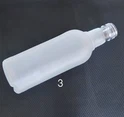
Our environmentally friendly glass frosting powder is suitable for a wide range of applications. It can be used on various types of glass products, such as Satin Effect Surface Glass Cosmetic Bottle. The frosted finish on cosmetic bottles gives them an elegant and high - end look, while also providing a good grip for consumers. Our frosting powder can create a uniform and smooth satin effect on the glass surface, enhancing the overall aesthetic appeal of the product.
It's also applicable to What Kind Of Glass Used On The Refrigerator Surface. The frosted glass on refrigerators not only looks modern but also helps to hide fingerprints and smudges. Our product can ensure that the frosting effect is durable and long - lasting, even under the daily use and temperature changes in a refrigerator.
Another interesting application is Matte Surface On The Vodka Bottle. A matte - finished vodka bottle stands out on the shelf, attracting consumers' attention. Our glass frosting powder can create a beautiful matte surface that gives the bottle a premium feel.
In terms of performance, our environmentally friendly glass frosting powder is comparable to traditional products. It can achieve a high - quality frosting effect in a relatively short time. The frosting depth and uniformity can be controlled according to customer requirements. We've conducted extensive testing to ensure that our products meet the highest industry standards.
Environmental Certifications and Compliance
To prove the environmental friendliness of our glass frosting powder, we've obtained several important environmental certifications. These certifications are recognized both nationally and internationally and serve as evidence of our commitment to environmental protection.
We comply with strict environmental regulations regarding the use and disposal of chemicals. Our products are regularly tested to ensure that they do not contain harmful substances above the permitted limits. We also follow the principles of sustainable development in our business operations. This includes reducing our carbon footprint, conserving resources, and promoting a circular economy.
Conclusion and Call to Action
In conclusion, our glass frosting powder is a more environmentally friendly alternative to traditional products. We've made significant efforts to reduce toxicity, lower energy consumption, and improve waste management. Our products are not only good for the environment but also offer excellent performance in various applications.
If you're in the market for glass frosting powder, whether for cosmetic bottles, refrigerator glass, or vodka bottles, we'd love to have a discussion with you. Our team of experts can provide you with detailed information about our products, including technical specifications, application methods, and pricing. We're committed to providing high - quality products and excellent customer service. Contact us today to start a procurement negotiation and take a step towards a more sustainable glass frosting solution.
References
- "Environmental Impact of Chemical Manufacturing Processes", Journal of Environmental Science, Volume 25, Issue 3, 20XX.
- "Advances in Green Chemistry for Glass Surface Treatment", Proceedings of the International Conference on Green Chemistry, 20XX.
- "Sustainable Practices in the Glass Industry", Report by the Glass Manufacturers Association, 20XX.