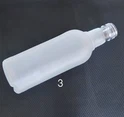
Chemical frosting is a widely used technique in the glass industry to transform the appearance and functionality of glass products. As a leading supplier of chemical frosting solutions for glass, I've witnessed firsthand the distinct differences in the chemical frosting process and results between clear and tinted glass. In this blog, I'll delve into these differences, exploring how they impact the final product's aesthetics, performance, and applications.
Composition and Properties of Clear and Tinted Glass
Before we explore the differences in chemical frosting, it's essential to understand the basic composition and properties of clear and tinted glass. Clear glass is typically made from silica sand, soda ash, and limestone, with minimal impurities. It offers high transparency and light transmission, making it ideal for applications where visibility is crucial, such as windows, display cases, and optical lenses.
Tinted glass, on the other hand, is produced by adding metal oxides or other coloring agents to the glass melt during the manufacturing process. These additives absorb or scatter specific wavelengths of light, resulting in a range of colors and shades. Tinted glass can reduce solar heat gain, glare, and UV radiation, making it suitable for applications in buildings, automotive, and solar panels.
Chemical Frosting Process
Chemical frosting involves the use of acidic or alkaline solutions to etch the surface of the glass, creating a rough, matte finish. The process typically consists of the following steps:
- Cleaning: The glass surface is thoroughly cleaned to remove any dirt, grease, or contaminants that could interfere with the frosting process.
- Masking: Areas of the glass that are not to be frosted are masked off using tape or other masking materials.
- Etching: The glass is immersed in or coated with a chemical frosting solution, which reacts with the glass surface to create a microscopically rough texture.
- Neutralization: After the desired level of frosting is achieved, the glass is rinsed with water and neutralized to stop the etching process.
- Drying: The glass is dried to remove any remaining moisture.
Differences in Frosting Appearance
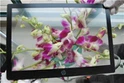
One of the most noticeable differences between chemical frosting on clear and tinted glass is the appearance of the frosted finish. On clear glass, chemical frosting typically produces a uniform, opaque white or translucent finish that diffuses light evenly. The frosted area appears smooth to the touch but has a rough texture at the microscopic level.
On tinted glass, the frosting process can have a more complex effect on the appearance. The color of the tinted glass can influence the final color of the frosted area, resulting in a range of hues and tones. For example, frosting on blue-tinted glass may produce a frosted finish with a bluish tint, while frosting on green-tinted glass may result in a greenish frosted appearance.
In addition, the tinted glass may have a different level of transparency or translucency compared to clear glass, which can affect the way the frosted area interacts with light. Tinted glass may also have a different refractive index, which can cause the frosted finish to appear slightly distorted or hazy.
Differences in Frosting Performance
The performance of chemical frosting can also vary between clear and tinted glass. On clear glass, the frosted finish can provide excellent light diffusion, making it ideal for applications where privacy or glare reduction is required. The frosted surface can also reduce the reflection of light, making it easier to view objects through the glass.
On tinted glass, the frosting process can enhance the existing properties of the tinted glass, such as solar heat gain reduction and UV protection. The frosted finish can also help to further reduce glare and improve the overall aesthetic appeal of the glass. However, the tinted glass may have a lower light transmission rate compared to clear glass, which can affect the amount of light that passes through the frosted area.
Applications
The differences in appearance and performance between chemical frosting on clear and tinted glass make them suitable for different applications. Clear frosted glass is commonly used in applications where privacy and light diffusion are important, such as bathroom windows, office partitions, and decorative glass panels. It can also be used in display cases and museum exhibits to reduce glare and protect artifacts from UV radiation.
Tinted frosted glass is often used in applications where solar control and aesthetic appeal are desired, such as building facades, automotive windows, and solar panels. The tinted glass can help to reduce energy consumption by blocking solar heat gain, while the frosted finish can add a decorative element to the glass.
Our Products and Solutions
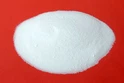
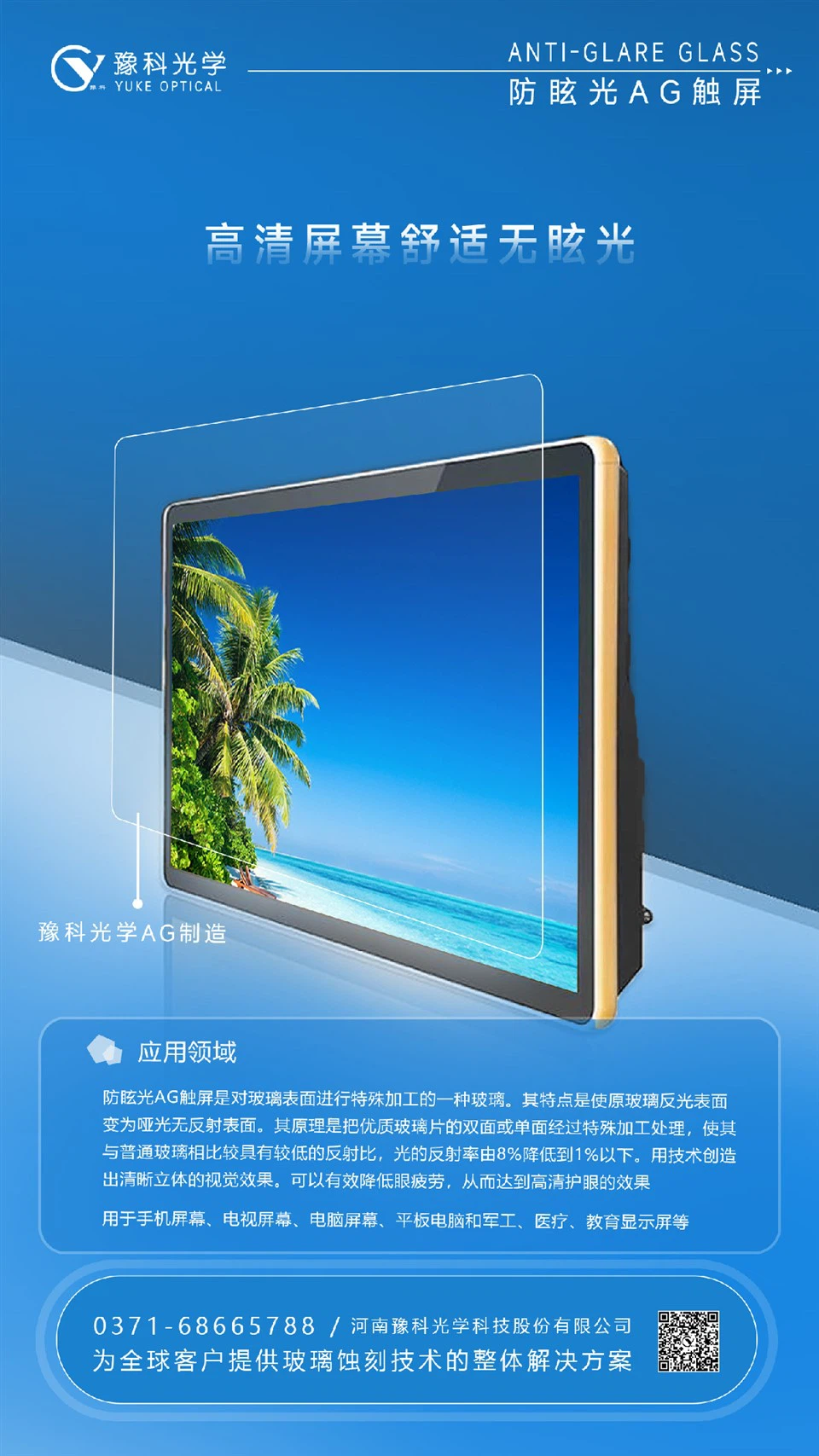
As a supplier of chemical frosting solutions for glass, we offer a range of products and services to meet the diverse needs of our customers. Our Environmentally Friendly Glass Frosting Powder is a safe and effective alternative to traditional chemical frosting methods, offering a high-quality frosted finish with minimal environmental impact.
We also offer a variety of colored glass products, including Oil Sand Effect Colored Glass Vases, which feature a unique frosted finish that adds a touch of elegance and sophistication to any space. In addition, we provide technical support and training to help our customers achieve the best results with our products.
Conclusion
In conclusion, chemical frosting on clear and tinted glass offers distinct differences in appearance, performance, and applications. Understanding these differences can help you choose the right type of glass and frosting process for your specific needs. Whether you're looking for privacy, light diffusion, solar control, or decorative appeal, our range of chemical frosting products and solutions can help you achieve the desired results.

If you're interested in learning more about our products or discussing your specific requirements, please don't hesitate to [contact us]. We look forward to working with you to create high-quality frosted glass products that meet your needs and exceed your expectations.
References
- ASTM International. (2023). Standard Terminology of Glass. ASTM C162 - 23.
- Glass Association of North America. (2023). Glass Performance Characteristics.
- Schott AG. (2023). Technical Information on Glass.