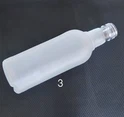
Over the years, as a trusted supplier in the domain of Chemical Frosting Of Glass, I've witnessed firsthand the transformative power of chemical frosting on glass. One of the most intriguing aspects that often sparks discussions among our clients is the long - term effect of chemical frosting on the glass's color. In this blog, I'll delve into this topic, exploring both the immediate and long - term impacts on glass color.
Initial Color Changes after Chemical Frosting
When we first apply chemical frosting to glass, there are distinct and often immediate color - related changes. Chemical frosting typically involves the use of substances that etch the surface of the glass. This etching process breaks down the smooth outer layer of the glass, creating a micro - rough surface.
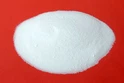
The most common initial change is a shift towards a more opaque or milky appearance. For clear glass, this means that light passing through the glass is scattered rather than passing through in a straight line. This scattering effect gives the glass a white - like or frosted look. For instance, when we use our Aqueous Glass Frosting Powder Chemical on a clear glass panel, the glass quickly loses its transparency and takes on a soft, white glow.
The degree of this initial color change depends on several factors. The concentration of the frosting chemicals is a crucial one. Higher concentrations tend to create a more pronounced frosted effect, resulting in a denser white appearance. The application time also plays a role. Longer exposure to the frosting chemicals allows for more extensive etching, deepening the white color and increasing the opacity of the glass.
Long - Term Color Stability
Now, let's talk about what happens to the glass color over a more extended period. In general, high - quality chemical frosting produces a relatively stable color change. Once the frosting process is complete and the glass has been thoroughly cleaned and dried, the frosted appearance remains largely consistent.
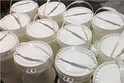
For glass products used in normal indoor environments, such as Cosmetic Container Bottle Jar White Color Permanent Frost, the color of the frosted glass is quite resistant to fading or significant alteration. This is because the etching process modifies the physical structure of the glass surface, and as long as the glass isn't exposed to harsh chemicals or extreme mechanical abrasion, the frosted appearance will last for years.
However, there are environmental factors that can potentially affect the long - term color of frosted glass. For example, prolonged exposure to direct sunlight can have an impact. Ultraviolet (UV) rays in sunlight can cause some chemical reactions on the frosted glass surface over time. In some cases, the glass may start to develop a yellowish tint. This is more likely to occur if the glass has impurities or if the frosting chemicals contain certain substances that are sensitive to UV light.
Another factor is humidity. High humidity levels can promote the growth of mold or mildew on the frosted glass surface. While this doesn't directly change the color of the frosted portion, the presence of mold can give the glass an overall discolored and dirty appearance.


Impact of Frosting on Colored Glass
What about colored glass? The effects of chemical frosting on colored glass are a bit more complex. When we apply frosting to colored glass, the initial change is similar in that the glass becomes more opaque. However, the interaction between the frosting process and the existing color of the glass can lead to some interesting outcomes.
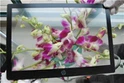
For example, when we use our frosting products on a Satin Effect Colored Glass Vase, the frosting can enhance the depth and richness of the color. The micro - rough surface created by frosting scatters light in a way that makes the color appear more muted and velvety. This can be a desirable effect for decorative glass items, as it gives them a more sophisticated and elegant look.
Over time, the stability of the color in frosted colored glass also depends on the same factors as clear frosted glass. UV exposure and humidity can potentially cause color changes, but the base color of the glass can also influence how it ages. Some colors may be more resistant to fading or discoloration than others. For instance, darker colors may be less affected by UV light compared to lighter, pastel - colored glass.
Quality of Frosting Chemicals and Color Consistency
The quality of the frosting chemicals we use plays a vital role in determining the long - term color consistency of frosted glass. At our company, we are committed to providing high - quality products that ensure both an excellent initial frosting effect and long - term color stability.
Our research and development team continuously works on improving our frosting chemicals to minimize the potential for color changes over time. We use pure and high - grade raw materials, and we conduct rigorous testing to ensure that our products meet the highest standards. By using our products, our clients can be confident that the frosted glass they produce will maintain its color and appearance for an extended period.
Conclusion and Call to Action
In conclusion, chemical frosting has both immediate and long - term effects on the color of glass. The initial change usually results in a more opaque, white - like appearance, and with proper care and high - quality frosting chemicals, the color remains relatively stable over time. Whether it's clear glass or colored glass, the frosting process can add a unique and attractive aesthetic to glass products.
If you're in the market for high - quality glass frosting solutions, we'd love to hear from you. Our team of experts is ready to assist you in choosing the right frosting products for your specific needs. Whether you're a manufacturer of cosmetic containers, glass vases, or other glass items, we can provide you with the best chemical frosting options to achieve the desired color and appearance for your products. Reach out to us for more information and to start a fruitful business relationship.
References
- "Glass Science and Technology" by David R. Uhlmann and Norman J. Kreidl
- "Handbook of Glass Properties" edited by W. A. Weyl and Charles R. Kurkjian
- Research papers on glass surface modification and chemical frosting from leading glass research institutions.