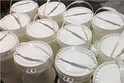
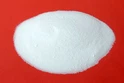
Flat glass frosting powder is a specialized product that has gained significant popularity in various industries, including interior decoration, pharmaceuticals, and more. As a leading supplier of flat glass frosting powder, I am often asked about the ingredients that make up this remarkable product. In this blog post, I will delve into the key components of flat glass frosting powder, their functions, and how they contribute to the overall performance of the product.
The Core Ingredients of Flat Glass Frosting Powder
1. Hydrofluoric Acid or Fluoride Compounds
Hydrofluoric acid (HF) or fluoride compounds are the primary active ingredients in flat glass frosting powder. Hydrofluoric acid is a highly corrosive and reactive acid that has a unique ability to etch glass surfaces. When in contact with glass, hydrofluoric acid reacts with the silica (SiO₂) in the glass, forming silicon tetrafluoride (SiF₄) gas and water. This chemical reaction breaks down the smooth surface of the glass, creating a rough and frosted appearance.
However, due to the extreme toxicity and corrosiveness of hydrofluoric acid, many frosting powders use fluoride compounds such as ammonium bifluoride (NH₄HF₂) or sodium fluoride (NaF) instead. These compounds can release fluoride ions in the presence of an acid, which then react with the glass in a similar way to hydrofluoric acid. Ammonium bifluoride is particularly popular because it is relatively stable and easy to handle compared to hydrofluoric acid.
2. Acidic Agents
In addition to fluoride compounds, acidic agents are also essential ingredients in flat glass frosting powder. These agents help to activate the fluoride ions and accelerate the etching process. Common acidic agents include sulfuric acid (H₂SO₄), hydrochloric acid (HCl), and phosphoric acid (H₃PO₄).
Sulfuric acid is often used because it is a strong acid that can provide a highly acidic environment for the reaction. It also helps to dissolve the fluoride compounds and prevent the formation of insoluble salts. Hydrochloric acid is another option, which is known for its high reactivity and ability to etch glass quickly. Phosphoric acid, on the other hand, is a milder acid that can be used in combination with other acids to control the etching rate and achieve a more uniform frosting effect.
3. Buffering Agents
Buffering agents are added to flat glass frosting powder to maintain a stable pH level during the etching process. The pH of the frosting solution is crucial because it affects the reactivity of the fluoride ions and the quality of the frosting effect. If the pH is too high, the etching process may be too slow or incomplete. If the pH is too low, the glass may be over-etched, resulting in a rough and uneven surface.
Common buffering agents include sodium carbonate (Na₂CO₃), sodium bicarbonate (NaHCO₃), and potassium dihydrogen phosphate (KH₂PO₄). These agents can react with the acidic agents in the frosting solution to maintain a relatively constant pH level. For example, sodium carbonate can react with sulfuric acid to form sodium sulfate, water, and carbon dioxide, which helps to neutralize the acid and prevent the pH from dropping too low.
4. Surfactants
Surfactants are surface-active agents that are added to flat glass frosting powder to improve the wetting and spreading properties of the frosting solution. They help the solution to adhere to the glass surface evenly and prevent the formation of bubbles or streaks during the etching process.
There are two main types of surfactants: anionic and non-ionic. Anionic surfactants have a negatively charged head group and are commonly used in frosting powders because they can reduce the surface tension of the solution and improve its wetting ability. Non-ionic surfactants, on the other hand, have no charge and are often used in combination with anionic surfactants to enhance the stability and performance of the frosting solution.
5. Thickening Agents
Thickening agents are used to increase the viscosity of the flat glass frosting powder solution. This helps to prevent the solution from dripping or running off the glass surface during the etching process, ensuring a more uniform and controlled frosting effect.
Common thickening agents include carboxymethyl cellulose (CMC), hydroxyethyl cellulose (HEC), and polyvinyl alcohol (PVA). These agents can form a gel-like structure in the solution, which increases its viscosity and makes it easier to apply to the glass surface.
The Role of Each Ingredient in the Frosting Process
Each ingredient in flat glass frosting powder plays a specific role in the frosting process. The fluoride compounds are responsible for the actual etching of the glass surface, while the acidic agents provide the necessary environment for the reaction to occur. The buffering agents help to maintain a stable pH level, ensuring that the reaction proceeds smoothly and evenly. The surfactants improve the wetting and spreading properties of the solution, while the thickening agents increase its viscosity and prevent it from dripping.
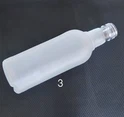
By carefully selecting and combining these ingredients, we can create a high-quality flat glass frosting powder that can achieve a consistent and attractive frosting effect on various types of glass. Whether you are looking to create a satin effect on interior decorative doors Interior Decorative Door With Satin Effect or a smooth finish on medicinal small bottles Satin Effect On Medicinal Small Bottles, our flat glass frosting powder can meet your needs.
Applications of Flat Glass Frosting Powder
Flat glass frosting powder has a wide range of applications in different industries. Some of the most common applications include:
1. Interior Decoration
In the interior decoration industry, flat glass frosting powder is used to create a variety of decorative effects on glass surfaces. Frosted glass can add privacy while still allowing light to pass through, making it ideal for use in doors, windows, partitions, and shower enclosures. The satin effect created by the frosting powder can also enhance the aesthetic appeal of the glass, giving it a more luxurious and sophisticated look.


2. Pharmaceutical Industry
In the pharmaceutical industry, flat glass frosting powder is used to create a satin finish on medicinal small bottles. This finish not only improves the appearance of the bottles but also provides a better grip, making it easier for patients to handle the bottles. Additionally, the frosted surface can help to protect the contents of the bottles from light, which is important for some medications that are sensitive to light.
3. Art and Crafts
Flat glass frosting powder is also popular among artists and crafters who use it to create unique and personalized glass art pieces. By applying the frosting powder to glass objects such as vases, bowls, and picture frames, they can create a variety of effects, from a subtle frosted look to a more dramatic etched design.
Conclusion
In conclusion, the ingredients of flat glass frosting powder play a crucial role in determining its performance and the quality of the frosting effect. By understanding the functions of each ingredient and how they interact with each other, we can develop high-quality frosting powders that meet the specific needs of our customers.
If you are interested in learning more about our flat glass frosting powder or would like to discuss your specific requirements, please feel free to contact us. We are always happy to help you find the best solution for your glass frosting needs. For more information on the chemical frosting of glass, you can visit Chemical Frosting of Glass.
References
- Handbook of Glass Science and Technology, Volume 2: Glass Engineering, edited by David R. Uhlmann and Neil J. Kreidl.
- Glass: Science and Technology, Volume 1: Fundamentals, edited by David R. Uhlmann and Neil J. Kreidl.
- Chemical Processing of Glass, by John D. Mackenzie.