Hey there! As a supplier in the chemical frosting of glass business, I often get asked about the legal regulations regarding this process. Since it's crucial for the people who work in this industry to understand the ins and outs of legally - compliant operation, I thought I'd share some key points with you in this blog post.
The Basics of Chemical Frosting of Glass
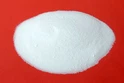
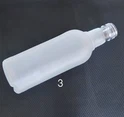
Chemical frosting is a process where special chemicals are used to etch the surface of glass, giving it a frosted appearance. This creates a smooth, satin - like finish on the glass, which is not only aesthetically pleasing but also offers practical benefits like privacy and reduced glare. As a supplier, I offer a wide range of products for this process, such as Satin Effect Glass Spirit Bottle, Fingerprint Free Glass Frosting Powder, and Frosting Glass Powder.
General Regulatory Overview
Environmental Regulations
One of the most important aspects of the chemical frosting process is environmental compliance. The chemicals used in glass frosting, like hydrofluoric acid (HF) and other fluoride - based compounds, can be extremely harmful to the environment. Here in the States, the Environmental Protection Agency (EPA) has set strict rules regarding the use, storage, and disposal of these chemicals.
The EPA requires companies to properly manage their waste to prevent the release of harmful pollutants into the air, water, and soil. For example, any wastewater generated during the chemical frosting process must be treated to remove contaminants before it can be discharged. We also have to follow regulations about air emissions. If our processes generate any toxic fumes, we need to have proper ventilation systems and pollution control devices in place.
Health and Safety Regulations
When it comes to the health and safety of workers, there are also a bunch of regulations that we must follow. OSHA (Occupational Safety and Health Administration) in the United States has some real tough rules about worker protection in workplaces where chemical frosting occurs.
The chemicals used in glass frosting can be dangerous to human health. HF, for instance, can cause severe burns and systemic toxicity if it comes into contact with the skin or is inhaled. So, we're required to provide our workers with appropriate personal protective equipment (PPE). This includes things like gloves, goggles, and respirators.
We also have to train our employees on how to handle these chemicals safely. They need to know how to store, mix, and use the chemicals without putting themselves at risk. And in case of an emergency, we need to have proper first - aid procedures and spill response plans in place.
Product - Specific Regulations
In addition to environmental and health - safety regulations, there are also product - specific rules. If the frosted glass is used in certain industries, like food and beverage or healthcare, it has to meet additional standards.
For example, if our Satin Effect Glass Spirit Bottle is going to be used for alcohol storage, it has to comply with relevant food safety regulations. This means that the chemicals used in the frosting process should not leach into the product inside the bottle. There are also regulations regarding labeling. The bottle might need to be labeled with information about the frosting process and any potential hazards.
International Regulations
If you're thinking about doing business globally (which a lot of suppliers, including me, are interested in), you need to be aware of international regulations as well. Different countries have different laws regarding the chemical frosting of glass.
The European Union, for example, has a very comprehensive regulatory framework called REACH (Registration, Evaluation, Authorization, and Restriction of Chemicals). REACH requires companies to register the chemicals they use, evaluate their safety, and get authorization for the use of certain substances. If you want to sell your frosted glass products in the EU, you have to comply with these regulations.


In Asia, countries like Japan and South Korea also have their own sets of rules. These may include environmental protection standards, health - safety requirements, and product - specific regulations similar to what we have in the US.
How Regulations Affect Our Business
Let's talk about how these regulations actually impact my business as a chemical frosting of glass supplier. On one hand, regulations ensure a level playing field in the industry. They make sure that all suppliers are operating in a safe and responsible manner. This builds trust with customers, as they know that the products they're buying are made under proper conditions.
On the other hand, complying with these regulations can be costly and time - consuming. We have to invest in things like pollution control equipment, employee training, and product testing. But at the end of the day, it's worth it because it helps us avoid legal issues and maintain a good reputation in the market.
As a supplier, I also have to keep a close eye on changes in regulations. Laws and standards are constantly evolving, which means I have to update my processes and products to stay compliant. This requires me to stay informed and adapt quickly.
Conclusion
So, as you can see, there are a whole bunch of legal regulations surrounding the chemical frosting of glass. Environmental protection, health and safety, and product - specific requirements all play a role. If you're in the chemical frosting business or thinking about getting into it, make sure you're well - versed in these regulations.
At my end, I'm committed to providing high - quality chemical frosting products that meet all the necessary legal requirements. Whether you need Satin Effect Glass Spirit Bottle, Fingerprint Free Glass Frosting Powder, or Frosting Glass Powder, I've got you covered.
If you're interested in our products and want to discuss further about procurement, feel free to reach out. We're always happy to have a chat and work together to meet your needs.
References
- U.S. Environmental Protection Agency (EPA) official publications on chemical waste management.
- Occupational Safety and Health Administration (OSHA) guidelines for handling hazardous chemicals.
- REACH (Registration, Evaluation, Authorization, and Restriction of Chemicals) regulation documents from the European Union.
- Local and international food safety and product labeling regulations.