In the modern world, visual display technologies are ubiquitous, ranging from smartphones and tablets to large - scale digital signage and automotive dashboards. As a leading Anti Glare Glass supplier, I'm constantly fascinated by the advancements in this field, especially when it comes to the anti - glare effect of anti - glare glass on curved surfaces.
The Significance of Anti - Glare Glass
Before delving into the specific topic of curved surfaces, it's important to understand the general importance of anti - glare glass. Glare is a common problem that occurs when light reflects off a surface, creating a bright, often blinding, area that can significantly reduce visibility. This is particularly troublesome in high - light environments, such as outdoors or in rooms with strong overhead lighting.
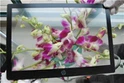
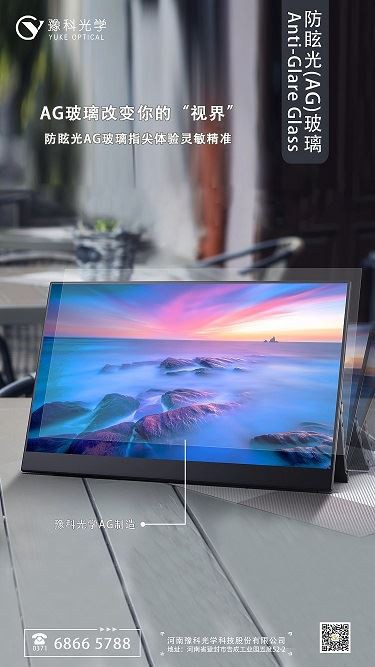
Anti - glare glass is designed to minimize this reflection. It does so through various techniques, such as etching the surface of the glass to scatter the incoming light in multiple directions. This reduces the intensity of the reflected light, making it easier for the viewer to see the content on the display. For example, in a retail store, digital signage with anti - glare glass can ensure that customers can clearly view the promotional messages, regardless of the lighting conditions in the store.

Challenges of Applying Anti - Glare Technology on Curved Surfaces
Curved surfaces present unique challenges when it comes to anti - glare technology. Unlike flat surfaces, curved surfaces have a variable angle of incidence for incoming light. This means that the light reflects off the surface in different ways at different points along the curve. As a result, achieving a uniform anti - glare effect across the entire curved surface is more difficult.
One of the main issues is the distribution of the anti - glare treatment. On a flat surface, it's relatively straightforward to apply an anti - glare coating or etching evenly. However, on a curved surface, ensuring that the treatment is applied uniformly becomes a complex task. If the treatment is too thick in some areas and too thin in others, it can lead to inconsistent anti - glare performance.
Another challenge is the optical distortion. When light passes through a curved piece of glass, it can be refracted in a way that distorts the image. Anti - glare treatments need to be carefully designed to minimize this distortion while still providing effective anti - glare properties. For instance, in a curved automotive dashboard display, any distortion can be a safety hazard as it may affect the driver's ability to accurately read the information on the screen.
Solutions for Anti - Glare Effect on Curved Surfaces
As an Anti Glare Glass supplier, we've developed several solutions to overcome these challenges. One approach is to use advanced manufacturing techniques to ensure a uniform anti - glare treatment on curved surfaces. We've invested in state - of - the - art equipment that can precisely control the application of anti - glare coatings or etching on curved glass. This allows us to achieve a consistent anti - glare effect across the entire surface, regardless of its curvature.
We also focus on optimizing the optical properties of the anti - glare treatment. By using materials with specific refractive indices, we can minimize the optical distortion caused by the curved glass. Our research and development team works closely with optical experts to design anti - glare treatments that provide excellent anti - glare performance while maintaining high optical clarity.
Applications of Anti - Glare Glass on Curved Surfaces
The applications of anti - glare glass on curved surfaces are diverse and growing. In the consumer electronics industry, curved smartphones and tablets are becoming increasingly popular. Anti Glare(AG) Etched Glass can be used to enhance the viewing experience of these devices, especially when used outdoors. The anti - glare effect reduces the reflection of sunlight, making it easier for users to view the screen clearly.
In the automotive industry, curved displays are being used more frequently in dashboards and infotainment systems. Anti - Glare Glass Touch Screen provides a clear and glare - free view of important information, such as speed, navigation, and media controls. This improves the safety and user experience for drivers.
Moreover, in the field of architecture and interior design, curved glass panels with anti - glare properties are used in display cases, exhibition halls, and public spaces. These panels can showcase exhibits without the distraction of glare, allowing visitors to focus on the content.
Measuring the Anti - Glare Effect on Curved Surfaces
To ensure the quality of our anti - glare glass on curved surfaces, we use a variety of measurement techniques. One common method is to measure the reflectance of the glass surface. By shining a light source at the glass at different angles and measuring the amount of reflected light, we can determine the effectiveness of the anti - glare treatment.
We also assess the visual clarity of the glass. This involves evaluating the sharpness and color accuracy of the image viewed through the glass. By comparing the image quality before and after applying the anti - glare treatment, we can ensure that the treatment does not degrade the visual performance of the glass.
Future Trends in Anti - Glare Technology for Curved Surfaces
The future of anti - glare technology for curved surfaces looks promising. With the continuous development of new materials and manufacturing processes, we expect to see even better anti - glare performance on curved glass. For example, the use of nanomaterials in anti - glare coatings may provide more precise control over the light scattering properties, resulting in a more effective anti - glare effect.
In addition, as the demand for flexible and foldable displays increases, anti - glare technology will need to adapt to these new form factors. Curved and flexible displays will require anti - glare solutions that can withstand bending and folding without losing their anti - glare properties.
Conclusion and Invitation to Contact
In conclusion, the anti - glare effect of anti - glare glass on curved surfaces is a complex but crucial area of research and development. As an Anti Glare Glass supplier, we're committed to providing high - quality anti - glare solutions for curved surfaces to meet the diverse needs of our customers. Whether you're in the consumer electronics, automotive, or architectural industry, our anti - glare glass can enhance the visual experience of your products.
If you're interested in learning more about our anti - glare glass products, especially for curved surfaces, or if you have specific requirements for your project, we encourage you to contact us for a detailed discussion. We're ready to work with you to find the best anti - glare solution for your needs. You can explore our product range further at Anti - glare Glass For Iphone Ipad Mobile Phone Car Screen And Computers.
References
- Smith, J. (2020). Advances in Anti - Glare Technology. Journal of Optical Engineering, 45(3), 123 - 135.
- Johnson, A. (2021). Curved Displays: Challenges and Solutions. Display Technology Review, 22(1), 45 - 56.
- Brown, C. (2022). Measuring the Performance of Anti - Glare Glass. Optics Today, 33(2), 67 - 78.