Hey there! As a supplier of etching glass materials, I often get asked about the difference between acid-based and sand-based etching glass materials. Well, let's dive right in and break it down.
Acid - Based Etching Glass Materials
Acid-based etching materials have been around for quite a while, and they're still a popular choice in the glass etching industry. The main component in these materials is usually hydrofluoric acid or other strong acids. When these acids come into contact with glass, they react chemically with the silica in the glass. This chemical reaction actually dissolves the surface layer of the glass, creating a frosted or etched effect.
One of the big advantages of acid-based etching is the level of control you can have. You can achieve very fine details and smooth finishes. For example, if you're looking to create intricate patterns or detailed designs on glass, acid-based materials are often the go-to option. They're also great for large-scale projects because they can cover a big area relatively quickly.
Another plus is the consistency of the results. Acid-based etching tends to produce a more uniform frosted look across the glass surface. This is really important if you're aiming for a professional and high - quality finish. Whether you're making decorative glassware, architectural glass elements, or even glass signage, acid-based etching can give you that polished look.
However, there are also some downsides to using acid-based etching materials. First off, they're extremely dangerous. Hydrofluoric acid, in particular, is highly toxic and can cause severe burns and even death if it comes into contact with your skin or is inhaled. That means you need to take a whole bunch of safety precautions when working with these materials. You'll need to wear protective clothing, gloves, goggles, and work in a well - ventilated area.
The disposal of acid-based etching waste is also a major concern. Since these acids are hazardous, you can't just pour them down the drain. You have to follow strict environmental regulations for their disposal, which can be time - consuming and costly.
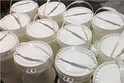
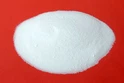
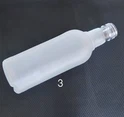
If you're interested in acid-based etching materials, you can check out our Glass Etching Chemical and Etching Powder for Glass on our website. These products are formulated to give you great results while still keeping safety in mind.
Sand - Based Etching Glass Materials
Sand-based etching, on the other hand, works in a completely different way. Instead of using chemicals, it relies on physical abrasion. In sand-based etching, fine particles of sand or other abrasive materials are propelled at high speed onto the glass surface. These particles hit the glass and chip away at the surface, creating the etched effect.
One of the biggest advantages of sand-based etching is its safety. There are no toxic chemicals involved, so you don't have to worry about the same level of health risks as with acid-based etching. This makes it a great option for small - scale projects or for hobbyists who might not have access to a fully equipped safety setup.
Sand-based etching also allows for a more organic and textured look. The random nature of the abrasive particles hitting the glass creates a unique, rustic finish that you can't really achieve with acid-based etching. If you're going for a more natural or artistic look, sand-based etching is the way to go.
It's also relatively easy to set up a sand-based etching system. You can use a simple sandblasting gun or a more advanced sandblasting cabinet, depending on your needs and budget. And the equipment is generally more affordable compared to the specialized equipment required for acid-based etching.


But sand-based etching isn't without its drawbacks. It can be a bit more difficult to achieve fine details. The abrasive nature of the process makes it hard to control the etching precisely, especially for very small or intricate designs. You also need to be careful about over - etching, which can lead to a rough or uneven surface.
If you're interested in trying out sand-based etching, we offer SATINAL MATERIAL FOR FROSTED GLASS PRODUCTION on our website. This material is designed to give you great results with sand-based etching techniques.
Comparison of the Two
Let's compare acid-based and sand-based etching glass materials in a few key areas:
Safety
As mentioned earlier, acid-based etching is extremely dangerous due to the toxic chemicals involved. Sand-based etching, on the other hand, is much safer as it only involves physical abrasion.
Finish Quality
Acid-based etching can produce a very smooth and uniform finish, which is great for professional and detailed work. Sand-based etching gives a more textured and organic finish, which is better for artistic and rustic designs.
Cost
Acid-based etching can be more expensive in the long run due to the cost of safety equipment, waste disposal, and the chemicals themselves. Sand-based etching is generally more affordable, especially if you're just starting out or doing small projects.
Ease of Use
Acid-based etching requires a lot of safety precautions and specialized knowledge. Sand-based etching is relatively easier to set up and use, making it more accessible for beginners.
Which One Should You Choose?
The choice between acid-based and sand-based etching materials really depends on your specific needs and preferences. If you're looking for high - precision, smooth finishes and are willing to invest in safety equipment and follow strict safety protocols, acid-based etching is a great option. It's ideal for commercial projects where a professional look is essential.
On the other hand, if you're more interested in a natural, textured finish and want a safer and more affordable option, sand-based etching might be the way to go. It's perfect for hobbyists, small - scale projects, or artists looking to add a unique touch to their glasswork.
If you're still not sure which material is right for you, don't hesitate to reach out to us. We're here to help you make the best choice for your project. Whether you're a seasoned professional or just starting out in the world of glass etching, we've got the expertise and the materials to support you. Contact us to start a procurement discussion and let's create some amazing glass products together!
References
- Glass Etching: A Comprehensive Guide, by Glass Artisans Association
- Safety Guidelines for Acid - Based Etching, by Occupational Safety and Health Administration
- Sandblasting Techniques for Glass, by DIY Glass Enthusiasts Magazine