Hey there! As a supplier of Chemical Etching For Glass, I often get asked about the solubility of the chemicals we use. It's a super important topic, especially if you're looking to achieve the best results in glass etching. So, let's dive right in and explore this together.
Understanding Chemical Etching for Glass
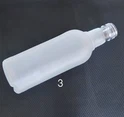
Before we talk about solubility, let's quickly go over what chemical etching for glass is. Chemical etching is a process where we use specific chemicals to remove the surface layer of glass, creating a frosted or patterned effect. It's a popular technique in various industries, from decorative glassware to high - tech electronics.
The chemicals used in this process need to be carefully selected. They have to be strong enough to react with the glass but also safe to handle and environmentally friendly as much as possible.
Common Chemicals Used in Glass Etching
There are several chemicals commonly used in glass etching. The most well - known ones are hydrofluoric acid (HF) and its salts, such as ammonium bifluoride.
Hydrofluoric acid is a powerful etchant. It can react with the silica in glass very quickly. When it comes into contact with glass, it forms silicon tetrafluoride (SiF₄) and water. The reaction is quite exothermic, which means it releases a lot of heat. But here's the thing about HF: it's extremely dangerous. It can cause severe burns and is toxic if inhaled or absorbed through the skin.
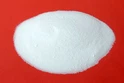
Ammonium bifluoride is a bit safer to handle compared to hydrofluoric acid. It dissociates in water to release fluoride ions, which are responsible for the etching action. It's often used in a powder form and then dissolved in water to create an etching solution.
Solubility of Key Chemicals
Hydrofluoric Acid
Hydrofluoric acid is highly soluble in water. In fact, it can form a homogeneous solution with water in all proportions. This high solubility is one of the reasons why it's such an effective etchant. When you mix HF with water, it ionizes to form hydrogen ions (H⁺) and fluoride ions (F⁻). The fluoride ions are what react with the glass, breaking down the silica structure.
However, because of its high reactivity and toxicity, handling hydrofluoric acid solutions requires special precautions. You need to wear appropriate protective gear, including gloves, goggles, and a lab coat. And the storage of HF solutions also needs to be done in special containers made of materials that can resist its corrosive nature, like polyethylene.
Ammonium Bifluoride
Ammonium bifluoride is also quite soluble in water. At room temperature, you can dissolve a significant amount of it in water to create a concentrated etching solution. When you add ammonium bifluoride to water, it dissociates as follows:
NH₄HF₂ → NH₄⁺ + HF + F⁻
The fluoride ions released in this process are what react with the glass to achieve the etching effect. The solubility of ammonium bifluoride increases with temperature. So, if you want to make a more concentrated solution, you can heat the water slightly, but be careful not to overheat it as it might cause the release of toxic fumes.
Other Chemicals and Their Solubility
Apart from hydrofluoric acid and ammonium bifluoride, there are other chemicals used in glass etching. For example, some formulations might include sulfuric acid. Sulfuric acid is also very soluble in water. When you mix sulfuric acid with water, it releases a large amount of heat, so you always add the acid to the water, not the other way around.
In some cases, we might use additives to improve the etching process. These additives can be things like surfactants or stabilizers. The solubility of these additives varies. Some are highly soluble in water, while others might require special solvents or conditions to dissolve properly.
Importance of Solubility in Glass Etching
The solubility of the chemicals used in glass etching is crucial for several reasons. First of all, it affects the uniformity of the etching process. If the chemicals are not properly dissolved, you might end up with uneven etching, where some parts of the glass are etched more than others.


Secondly, solubility affects the concentration of the etching solution. A more concentrated solution will generally etch the glass faster, but it also needs to be carefully controlled. If the concentration is too high, it can cause over - etching, which can ruin the glass.
Choosing the Right Chemicals
As a supplier, I understand that choosing the right chemicals for glass etching can be a bit overwhelming. That's why we offer a range of products that are carefully formulated to give you the best results.
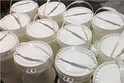
For example, our Chemical Glass Etching Solution is a pre - mixed solution that has the right concentration of etchants. It's easy to use and gives consistent results.
If you're looking for a more environmentally friendly option, our Environmentally Friendly Etching Powder is a great choice. It's made from safer chemicals and still provides excellent etching performance.
And if you want to learn more about the different materials used for glass etching, check out our Material Used for Glass Etching page. It has all the information you need to make an informed decision.
Contact Us for Procurement
If you're interested in purchasing our glass etching chemicals, we'd love to hear from you. Whether you're a small - scale glass artist or a large - scale manufacturer, we can provide you with the right products and support. Just reach out to us, and we'll be happy to discuss your specific needs and help you find the best solutions for your glass etching projects.
References
- Smith, J. (2018). Chemical Etching of Glass: Principles and Applications. Glass Science Journal.
- Johnson, A. (2020). Solubility of Chemicals in Glass Etching Processes. Industrial Chemistry Review.