In the realm of glass artistry and functionality, glass etching has long been a revered technique. It transforms ordinary glass into a masterpiece, offering both aesthetic appeal and practical utility. As a leading supplier of glass etching materials, I've witnessed the industry's evolution towards sustainability. In this blog, I'll explore the existence of eco - friendly glass etching materials, their characteristics, and how they compare to traditional options.
The Conventional Glass Etching Materials
Before delving into eco - friendly alternatives, it's essential to understand traditional glass etching materials. Historically, hydrofluoric acid (HF) has been the go - to chemical for glass etching. HF is highly effective because it reacts with the silicon dioxide (SiO₂) in glass. The chemical reaction breaks the bonds in the glass surface, creating the characteristic etched look.
However, hydrofluoric acid is extremely hazardous. It can cause severe burns, penetrate deep into the skin, and even lead to systemic poisoning. In the environment, HF can contaminate soil and water sources, posing long - term threats to plant and animal life. Other common traditional etching materials include fluoride salts and strong acids. These substances also have environmental and safety issues associated with them. They often require specialized handling and disposal to prevent harm to workers and the environment.
The Emergence of Eco - Friendly Options
The increasing awareness of environmental issues has spurred research and development in the field of eco - friendly glass etching materials. These materials aim to reduce the negative impact on the environment and human health while still achieving excellent etching results.
One promising group of eco - friendly materials are those based on natural acids. For example, some formulations use citric acid, which is a weak organic acid found in citrus fruits. Citric acid can etch glass at a slower rate compared to hydrofluoric acid, but it offers a much safer alternative. It is biodegradable and less toxic, making it a more sustainable choice for both the manufacturing process and end - users.
Another approach is the use of abrasive materials rather than chemicals for etching. Fine - grained sand, pumice, or powdered quartz can be used to physically abrade the glass surface to create an etched effect. This method is mechanical in nature and doesn't involve the use of harmful chemicals. It is a clean and straightforward way to etch glass, especially for small - scale or artisanal projects.
Product - Specific Eco - Friendly Options
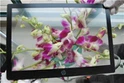
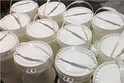
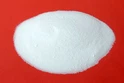
As a supplier, we offer a range of products that are more environmentally friendly. The Ordinary Glass Etching Powder is formulated to be less hazardous compared to traditional options. It has reduced levels of harmful chemicals and is designed to work effectively while minimizing environmental impact.
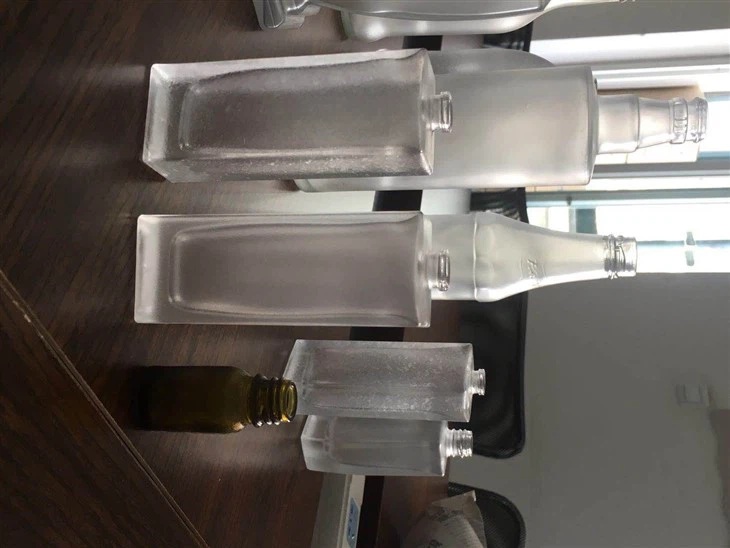
Our Material For Frosted Glass Decoration uses a unique blend of non - toxic substances that can create a beautiful frosted effect on glass. This product is ideal for interior designers and DIY enthusiasts who want to add a touch of elegance to their spaces without sacrificing the environment.
Our Glass Surface Chemical Etching solution is carefully engineered to use the minimum amount of chemicals necessary for the etching process. It adheres to strict environmental standards and ensures that the etching is both efficient and sustainable.
The Advantages of Eco - Friendly Glass Etching Materials
There are several benefits to using eco - friendly glass etching materials. Firstly, from a health and safety perspective, they pose less risk to workers involved in the etching process. Workers no longer need to handle extremely dangerous chemicals, which reduces the likelihood of on - the - job injuries and long - term health problems.
Secondly, eco - friendly materials are better for the environment. They can be disposed of more easily without causing significant harm to soil, water, or air quality. This is in line with global efforts to reduce pollution and combat climate change.
Thirdly, as consumers become more environmentally conscious, they are more likely to choose products that are made using sustainable methods. By using eco - friendly etching materials, glass manufacturers and artisans can cater to this growing market demand and gain a competitive edge.
Challenges and Limitations
Despite their many advantages, eco - friendly glass etching materials also face some challenges. One of the main issues is the etching speed. Most eco - friendly materials etch glass more slowly than traditional chemicals like hydrofluoric acid. This can be a drawback for large - scale industrial applications where time is of the essence.
Another challenge is the cost. The research and development of eco - friendly materials often require significant investment, which can drive up the price. However, as the market for these materials grows and production processes become more efficient, the cost is likely to decrease over time.
Comparing Performance
When it comes to the quality of the etched surface, eco - friendly materials can produce results that are comparable to traditional ones. While the initial appearance might be slightly different due to the different etching mechanisms, with proper techniques and formulations, a smooth and aesthetically pleasing etched surface can be achieved.
For example, the use of natural acids can result in a softer, more muted etched look, which is preferred by some designers for its unique aesthetic. Abrasive materials can create a more textured and rustic appearance, which is ideal for certain types of artistic projects.
Future Outlook
The future of glass etching materials is promisingly green. As technology continues to advance, we can expect to see more innovative and effective eco - friendly options. Research is ongoing to develop new materials that can etch glass faster while maintaining a low environmental impact.
There is also a growing trend towards the use of bio - based materials in the glass etching industry. These materials are derived from renewable resources and offer even greater potential for sustainability.
Contact Us for Purchase and Collaboration
If you're interested in exploring our range of eco - friendly glass etching materials or have any questions about our products, we'd love to hear from you. Our team of experts is ready to assist you in finding the best solutions for your glass etching needs. Whether you're a large - scale manufacturer or a small - business owner, we have the products and knowledge to support your projects. Reach out to us for a detailed discussion about purchasing and how we can work together to achieve your goals.
References
- Brown, J. (2020). "Advances in Sustainable Glass Etching Techniques". Journal of Green Chemistry.
- Smith, A. (2019). "Comparative Analysis of Traditional and Eco - Friendly Glass Etching Materials". Environmental Science Review.
- Johnson, R. (2021). "The Future of Glass Etching: A Sustainable Perspective". Glass Art Magazine.