Hey there! As a supplier of Glass Frosting Chemicals, I often get asked about the potential health risks associated with inhaling the fumes from these chemicals. It's a super important topic, and I'm here to break it down for you in a way that's easy to understand.
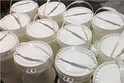
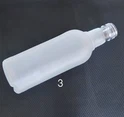
First off, let's talk about what glass frosting chemicals are and what they do. These chemicals are used to create a frosted look on glass surfaces. Whether it's for Satin Effect Surface Glass Cosmetic Bottle, Satin Effect Glass Bottles, or Flat Glass Decoration - Oil Sand Effect, they work by etching or abrading the surface of the glass to give it that smooth, opaque finish we all love.
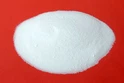
But when these chemicals are used, they release fumes. And that's where the concern about health risks comes in. The most common glass frosting chemicals include hydrofluoric acid (HF), ammonium bifluoride, and other fluoride - based compounds. These substances can be pretty nasty if you inhale their fumes.
Hydrofluoric acid is a particularly dangerous one. When you inhale HF fumes, it can cause a whole bunch of problems. It can irritate your respiratory tract right away. You might start coughing, have a sore throat, or feel short of breath. In more severe cases, it can lead to pulmonary edema, which is a condition where fluid builds up in your lungs. This is a life - threatening situation that requires immediate medical attention.
Ammonium bifluoride and other fluoride - based compounds also pose risks. They can cause similar respiratory irritation. Long - term exposure to these fumes can damage your lungs and may even affect your bones. Fluoride can accumulate in your bones over time, leading to a condition called skeletal fluorosis. Symptoms of skeletal fluorosis can range from joint pain and stiffness to more severe skeletal deformities.
Another thing to consider is that some people may be more sensitive to these fumes than others. For example, individuals with pre - existing respiratory conditions like asthma or chronic obstructive pulmonary disease (COPD) are at a higher risk. Their lungs are already more vulnerable, and inhaling glass frosting chemical fumes can trigger an asthma attack or make their COPD symptoms worse.
So, what can you do to protect yourself if you're working with glass frosting chemicals? Well, first of all, proper ventilation is key. Make sure you're working in a well - ventilated area. This could mean using exhaust fans or working near an open window. If possible, use a fume hood, which is designed to capture and remove the fumes at the source.
Wearing personal protective equipment (PPE) is also crucial. A respirator that's rated for the specific chemicals you're using is a must. There are different types of respirators, and you need to choose the right one based on the chemicals and the level of exposure. Gloves, goggles, and a lab coat or protective clothing should also be worn to prevent skin contact, as these chemicals can also cause burns and other skin problems.
It's also important to follow the manufacturer's instructions carefully. Each glass frosting chemical product will have its own set of safety guidelines. Make sure you read and understand them before you start using the product. And if you're not sure about something, don't hesitate to contact the supplier (like me!) for more information.
Now, I know all this talk about health risks might make you a bit hesitant about using glass frosting chemicals. But the truth is, when used correctly and with the proper safety measures in place, the risks can be minimized. These chemicals are widely used in the glass industry, and many businesses rely on them to create beautiful and high - quality glass products.
If you're in the market for glass frosting chemicals, you want to make sure you're getting a high - quality product from a reliable supplier. That's where I come in. I've been in the business for a while, and I know how important it is to provide products that are both effective and safe. I can offer you a range of glass frosting chemicals that are formulated to give you the best results while also meeting strict safety standards.
Whether you're looking to create Satin Effect Surface Glass Cosmetic Bottle, Satin Effect Glass Bottles, or do Flat Glass Decoration - Oil Sand Effect, I've got the right chemicals for you. And I'm always here to answer any questions you might have about using them safely.
So, if you're interested in purchasing glass frosting chemicals, don't hesitate to reach out. Let's have a chat about your specific needs, and I'll help you find the perfect solution. I'm confident that once you try our products, you'll see the difference in quality and performance.


In conclusion, while there are health risks associated with inhaling glass frosting chemical fumes, these risks can be managed with proper safety precautions. By using the right chemicals from a trusted supplier and following safety guidelines, you can create amazing glass products without putting your health at serious risk.
References
- Agency for Toxic Substances and Disease Registry (ATSDR). "Toxicological Profile for Hydrogen Fluoride and Hydrofluoric Acid."
- Occupational Safety and Health Administration (OSHA). "Standards for General Industry - Toxic and Hazardous Substances."