Hey there! As a supplier of glass frosting chemicals, I've been getting a lot of questions lately about how these chemicals react with different glass thicknesses. It's a super interesting topic, and I'm excited to share what I've learned over the years in the biz.
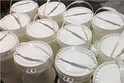
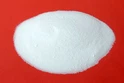
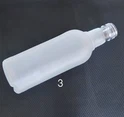
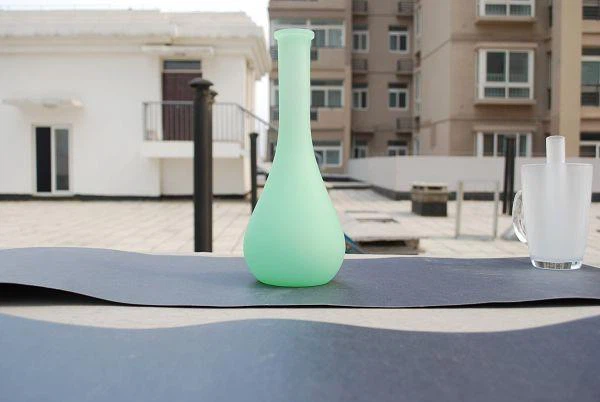
First off, let's talk about what glass frosting chemicals actually do. These chemicals are designed to etch the surface of the glass, creating a frosted look. This can be used for all sorts of things, like making glass bottles look more fancy, or giving a decorative touch to glass containers. There are different types of glass frosting chemicals out there, such as Glass Water Bottle Cosmetic Container Plain Glass Frosting/ Etching Paste, Satin Effect Glass Frosting Powder, and Glass Frosting Powder For Bottle. Each has its own unique properties and works a bit differently, but they all aim to achieve that frosted glass look.
Now, when it comes to glass thickness, it can have a pretty big impact on how the frosting chemical works. Thinner glass, say around 2 - 3 mm thick, reacts faster to the frosting chemicals. The chemical can penetrate the surface more easily because there's less glass to work through. This means that you'll see the frosted effect starting to appear quicker. However, you've got to be careful. Since the reaction is faster, there's a higher risk of over - frosting. If you leave the chemical on for too long, you might end up with a glass surface that's too rough or uneven.
On the other hand, thicker glass, like 5 - 10 mm or even more, takes longer to react. The chemical has to work its way through a greater amount of glass material. This can be both a blessing and a curse. On the plus side, it gives you more time to control the frosting process. You can take your time to get the perfect level of frosting without worrying too much about over - doing it. But the downside is that it can be a bit of a waiting game. You might need to apply the chemical multiple times or leave it on for a longer period to achieve the desired frosted effect.
Let's dig a bit deeper into the science behind this. Glass is mainly made up of silica (SiO₂), along with other additives depending on the type of glass. When the glass frosting chemical comes into contact with the glass, it starts to react with the silica on the surface. The chemical breaks down the silica bonds, creating tiny pits and irregularities on the glass surface. These irregularities scatter light, giving the glass that frosted appearance.
In thinner glass, there's less silica between the surface and the interior of the glass. So, the chemical can quickly reach deeper layers and cause more significant changes in a shorter amount of time. In thicker glass, the chemical has to work through more silica, and the reaction is more gradual.
Another factor to consider is the heat generated during the reaction. The reaction between the glass frosting chemical and the glass is exothermic, which means it releases heat. In thinner glass, the heat can build up more quickly because there's less material to absorb and dissipate it. This can sometimes affect the reaction rate and the quality of the frosting. Thicker glass, with its greater mass, can absorb more heat without a significant increase in temperature, resulting in a more stable reaction.
When it comes to using different types of glass frosting chemicals on different glass thicknesses, here are some tips. If you're using a powder - based chemical like the Satin Effect Glass Frosting Powder on thin glass, you might want to mix it with a bit more water to slow down the reaction. This gives you more control over the frosting process. For thicker glass, you can use a more concentrated mixture to speed up the reaction a bit.
If you're using a paste like the Glass Water Bottle Cosmetic Container Plain Glass Frosting/ Etching Paste, apply it evenly on the glass surface. On thin glass, use a thinner layer and check the progress frequently. On thicker glass, you can apply a slightly thicker layer and leave it on for a longer time.
The Glass Frosting Powder For Bottle is great for both thin and thick glass bottles. For thin bottles, make sure to follow the instructions carefully and don't over - expose them to the chemical. For thick bottles, you might need to be patient and let the powder do its thing for a while.
In conclusion, understanding how glass frosting chemicals react with different glass thicknesses is crucial for getting the best results. Whether you're a small - scale crafter or a large - scale manufacturer, knowing these nuances can save you a lot of time and effort. If you're looking for high - quality glass frosting chemicals, we've got you covered. Our products are carefully formulated to give you the best frosted effect on all types of glass thicknesses.
If you're interested in purchasing our glass frosting chemicals, feel free to reach out to us for a chat. We're always happy to help you find the right product for your needs and answer any questions you might have.

References
- General knowledge in the glass frosting chemical industry
That's all for now. Hope this blog has been helpful to you!