Can anti glare glass be used in aquariums?
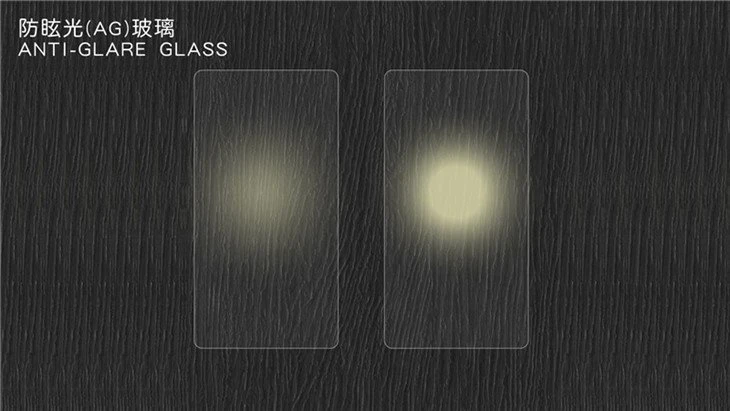
As a supplier of anti glare glass, I've often been asked whether our product can be used in aquariums. It's a question that combines the worlds of interior design and aquatic care, and one that requires a comprehensive exploration.
Understanding Anti Glare Glass
Anti glare glass is a specialized type of glass designed to reduce reflections and glare. This is achieved through various manufacturing processes. One common method is etching, which creates a micro - rough surface on the glass. This rough surface scatters light instead of reflecting it directly, thus minimizing glare.
Our Anti Glare Etched Glass and Anti Glare(AG) Etched Glass are prime examples of such products. These glasses are made with high - quality materials and advanced etching techniques, ensuring optimal anti - glare performance. The anti - glare property is extremely useful in many settings, such as picture frames, museum displays, and computer monitors, where clear visibility without distracting reflections is crucial.
The Requirements of Aquariums
Aquariums are not just containers for fish; they are complex ecosystems. The glass used in aquariums needs to meet several important criteria. Firstly, it must be strong enough to withstand the pressure exerted by the water. The water pressure in an aquarium increases with depth, so the glass must be thick and durable to prevent breakage. Secondly, the glass should be transparent and clear, allowing for unobstructed viewing of the aquatic life inside. Any distortion or cloudiness can detract from the aesthetic appeal of the aquarium and make it difficult to observe the fish and plants. Additionally, the glass must be chemically stable and non - toxic. Aquatic organisms are sensitive to changes in water chemistry, and any leaching of harmful substances from the glass can have a negative impact on their health.
Advantages of Using Anti Glare Glass in Aquariums
-
Enhanced Viewing Experience
One of the most significant advantages of using anti glare glass in aquariums is the improved viewing experience. In a normal glass aquarium, reflections from surrounding light sources can be a major distraction. These reflections can make it difficult to see the fish clearly, especially when the lighting in the room is bright. Anti glare glass eliminates or significantly reduces these reflections, allowing viewers to enjoy an unobstructed view of the aquarium's inhabitants. Whether you're observing the graceful movements of tropical fish or the intricate growth of aquatic plants, anti glare glass provides a clearer and more immersive experience. -
Aesthetic Appeal
From an aesthetic perspective, anti glare glass can enhance the overall look of an aquarium. It gives the aquarium a more modern and sophisticated appearance. The lack of glare makes the colors of the fish and plants appear more vibrant and true - to - life. It also creates a more seamless connection between the aquarium and its surroundings, as the glass seems to blend in better rather than reflecting the room's interior. -
Lighting Flexibility
With anti glare glass, there is more flexibility in terms of aquarium lighting. In a regular glass aquarium, certain lighting setups may create excessive glare, limiting the options for creating the perfect lighting environment for the fish and plants. Anti glare glass allows for a wider range of lighting angles and intensities, enabling aquarium owners to create a more natural and visually appealing lighting scheme.
Potential Challenges
- Cost
Anti glare glass is generally more expensive than regular glass. The manufacturing processes involved in creating the anti - glare surface, such as etching, add to the production cost. This can be a significant factor for aquarium owners on a budget. However, it's important to consider the long - term benefits, such as the enhanced viewing experience and aesthetic appeal, which may justify the higher initial investment. - Cleaning and Maintenance
The micro - rough surface of anti glare glass can make it slightly more challenging to clean compared to smooth regular glass. Dirt, algae, and other debris may be more likely to stick to the etched surface. However, with the right cleaning tools and techniques, this can be managed effectively. Using a soft, non - abrasive sponge or cloth and a mild aquarium - safe cleaner can help keep the anti glare glass clean without damaging the anti - glare coating. - Compatibility with Aquarium Sealants
When using anti glare glass in an aquarium, it's crucial to ensure that the glass is compatible with the aquarium sealants. Some sealants may not adhere properly to the etched surface of the anti glare glass, which could lead to leaks. It's recommended to test the sealant on a small area of the glass before assembling the aquarium to ensure a proper bond.
Scientific Considerations
From a scientific point of view, the chemical stability of anti glare glass in an aquatic environment is of utmost importance. Our Anti Glare Etched Glass is made with materials that are carefully selected to be non - toxic and chemically stable. Extensive testing has been conducted to ensure that the glass does not leach any harmful substances into the water, which could harm the fish and other aquatic organisms.
In terms of light transmission, anti glare glass may have a slightly lower light transmission rate compared to regular glass due to the light - scattering effect of the etched surface. However, this reduction is usually minimal and can be compensated for by adjusting the aquarium lighting. In fact, the more diffused light provided by anti glare glass can be beneficial for some sensitive aquatic plants, as it reduces the risk of light burn.
Conclusion
In conclusion, anti glare glass can indeed be used in aquariums, offering numerous advantages in terms of viewing experience, aesthetic appeal, and lighting flexibility. While there are some potential challenges, such as cost, cleaning, and sealant compatibility, these can be overcome with proper planning and care.
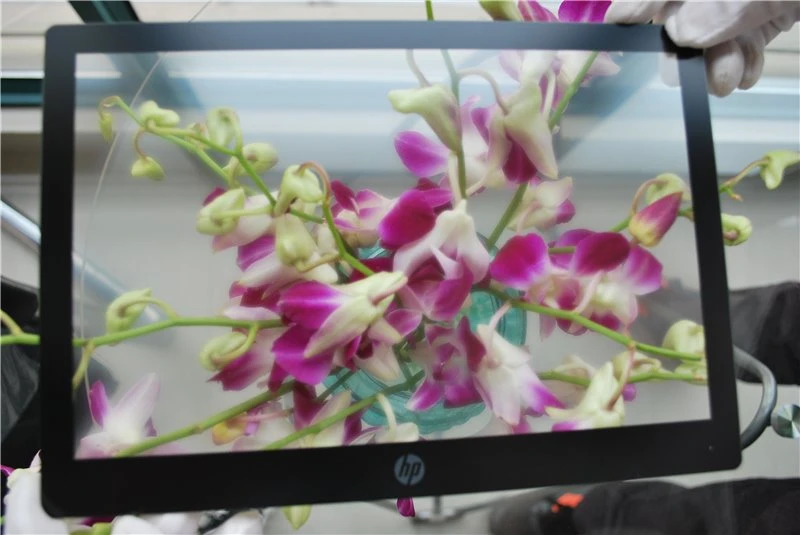
If you're considering using anti glare glass for your aquarium, I encourage you to reach out to discuss your specific needs. Our team of experts can provide you with detailed information about our products, help you choose the right type of anti glare glass for your aquarium, and offer guidance on installation and maintenance. We're committed to providing high - quality anti glare glass solutions that meet the unique requirements of aquarium owners.
References
- "Aquarium Handbook" - A comprehensive guide on aquarium design and maintenance.
- "Glass Manufacturing and Properties" - A technical book on the manufacturing processes and properties of different types of glass.