Can anti glare glass be used in kitchen appliances?
As a supplier of anti glare glass, I've often been asked about the viability of using our product in kitchen appliances. This question is not only relevant but also crucial in understanding the versatility and potential of anti glare glass in various settings. In this blog, I'll delve into the technical aspects, benefits, and considerations of using anti glare glass in kitchen appliances.
Technical Aspects of Anti Glare Glass
Anti glare glass is designed to reduce reflections and glare, which is achieved through different manufacturing processes. One common method is to create a micro - rough surface on the glass. This surface scatters the incoming light, preventing it from reflecting directly into the viewer's eyes. Another approach is to apply an anti - glare coating on the glass surface. These coatings are usually made of materials that can absorb or refract light, thereby reducing glare.
The optical properties of anti glare glass are carefully engineered. It has a high transmission rate, which means that it allows a large amount of light to pass through. This is important in kitchen appliances, as clear visibility is often required. For example, in a glass - fronted oven, the user needs to be able to see the food inside clearly without being hindered by reflections from overhead lights or sunlight coming through the kitchen window.
Benefits of Using Anti Glare Glass in Kitchen Appliances
1. Improved Visibility
In a kitchen environment, there are multiple light sources, including ceiling lights, natural light from windows, and the internal lights of the appliances themselves. These lights can create strong reflections on regular glass surfaces, making it difficult to see inside the appliance. Anti glare glass significantly reduces these reflections, providing a clear view. For instance, in a refrigerator with a glass door, anti glare glass allows users to easily identify the items stored inside without having to open the door and disrupt the cold environment.
2. Aesthetic Appeal
Anti glare glass gives kitchen appliances a sleek and modern look. It can enhance the overall design of the kitchen, making it more visually appealing. In contemporary kitchen designs, where clean lines and a minimalist aesthetic are popular, anti glare glass fits in perfectly. It provides a smooth and uncluttered appearance, which is highly desirable for homeowners and designers alike.
3. Durability
Kitchen appliances are subject to a lot of wear and tear. Anti glare glass is typically made to be durable, resistant to scratches, and able to withstand high temperatures. In an oven, for example, the glass needs to endure high heat while maintaining its anti - glare properties. Our anti glare glass is engineered to meet these requirements, ensuring long - term performance in kitchen appliances.
Considerations When Using Anti Glare Glass in Kitchen Appliances
1. Cleaning
While anti glare glass is durable, it does require proper cleaning to maintain its anti - glare properties. Some cleaning agents may damage the anti - glare coating or the micro - rough surface of the glass. It's important to use gentle, non - abrasive cleaners and soft cloths when cleaning anti glare glass in kitchen appliances. For example, avoid using harsh scrubbers or cleaners containing strong chemicals that could scratch or dull the glass.
2. Compatibility with Appliance Design
The design of the kitchen appliance needs to be considered when using anti glare glass. The glass must fit properly and be compatible with the overall structure of the appliance. For example, in a dishwasher, the glass needs to be able to withstand the water pressure and chemical detergents used during the washing cycle. It also needs to be sealed correctly to prevent water leakage.
3. Cost
Anti glare glass is generally more expensive than regular glass. This is due to the additional manufacturing processes required to achieve the anti - glare effect. However, the benefits it offers in terms of improved visibility, aesthetics, and durability may justify the higher cost for many consumers. When evaluating the cost, it's important to consider the long - term value that anti glare glass can bring to the kitchen appliances.
Applications of Anti Glare Glass in Different Kitchen Appliances
1. Ovens
In ovens, anti glare glass is used for the front door. It allows users to monitor the cooking process without being distracted by reflections. The high - temperature resistance of the anti glare glass ensures that it can withstand the heat generated inside the oven. For example, our anti glare glass can maintain its clarity and anti - glare properties even at temperatures up to [X] degrees Celsius, making it ideal for both domestic and commercial ovens.
2. Refrigerators
Refrigerators with glass doors are becoming increasingly popular. Anti glare glass in these doors provides clear visibility of the contents inside, reducing the time spent searching for items. It also helps to maintain the energy efficiency of the refrigerator by minimizing the need to open the door repeatedly. The anti glare glass can also be designed to resist condensation, which is a common problem in refrigerators.
3. Dishwashers
Although not as common as in ovens and refrigerators, anti glare glass can also be used in dishwashers. It can be used for the control panel or the door window. The anti glare glass in dishwashers needs to be resistant to water, detergents, and high - pressure water jets. Our anti glare glass is tested to ensure that it can withstand these harsh conditions and still provide clear visibility.
Comparison with Other Materials
When considering materials for kitchen appliances, there are alternatives to anti glare glass, such as plastic and regular glass. Plastic is often cheaper but may not have the same level of durability and clarity as anti glare glass. It can also scratch easily and may not provide the same anti - glare effect. Regular glass, on the other hand, is more prone to reflections, which can be a significant drawback in a kitchen environment.
Anti glare glass offers a unique combination of durability, clarity, and anti - glare properties that make it a superior choice for many kitchen appliances. It provides a better user experience and enhances the overall quality of the appliances.
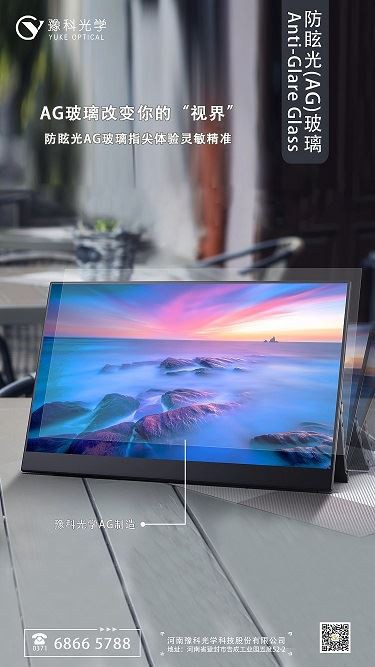

Our Anti Glare Glass Products
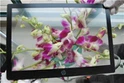
We offer a wide range of anti glare glass products suitable for kitchen appliances. Our Mobile Touch Screen - Anti - glare Glass technology can be adapted for use in touch - controlled kitchen appliances, providing a clear and responsive interface. Our Anti - glare Glass For TV Screen Display Screen Iphone Screen Ipad Screen can also be customized for the display panels of kitchen appliances, ensuring clear visibility of settings and information. And our Anti - glare Glass For Iphone Ipad Mobile Phone Car Screen And Computers can be used in various parts of kitchen appliances where anti - glare properties are required.
Conclusion
In conclusion, anti glare glass can indeed be used in kitchen appliances, and it offers numerous benefits in terms of improved visibility, aesthetic appeal, and durability. While there are some considerations such as cleaning, compatibility, and cost, the advantages outweigh the drawbacks for many consumers. As a supplier of anti glare glass, we are committed to providing high - quality products that meet the specific needs of the kitchen appliance industry.
If you are interested in using anti glare glass in your kitchen appliances, we invite you to contact us for a detailed discussion. We can provide samples, technical specifications, and pricing information to help you make an informed decision. Our team of experts is ready to assist you in finding the best anti glare glass solution for your products.
References
- "Optical Properties of Anti - Glare Coatings" - Journal of Optical Science and Technology
- "Durability Testing of Glass Materials in Harsh Environments" - International Journal of Materials Science