Acid etching is a widely - used technique in the glass industry to create decorative, functional, and privacy - enhancing glass products. As a reliable supplier of acid etching for glass, we often encounter questions from our customers about the different methods of acid etching, particularly the differences between single - step and multi - step acid etching. In this blog post, we will explore these differences in detail to help you make an informed decision for your glass etching projects.
Single - Step Acid Etching
Single - step acid etching is a straightforward process that involves using a single etching solution to achieve the desired effect on the glass surface. This method is known for its simplicity and efficiency, making it a popular choice for many applications.


Process
In single - step acid etching, the glass is first cleaned thoroughly to remove any dirt, grease, or contaminants. Then, the etching solution is applied directly to the glass surface. The etching solution typically contains hydrofluoric acid (HF) or other strong acids that react with the glass, dissolving the surface layer and creating the etched pattern. The reaction time depends on the concentration of the acid, the type of glass, and the desired depth and appearance of the etch. After the etching process is complete, the glass is rinsed with water to remove the acid and any residue.
Advantages
- Simplicity: The single - step process is easy to understand and execute, requiring minimal equipment and training. This makes it accessible for small - scale operations and DIY projects.
- Time - Saving: Since it involves only one step, single - step acid etching can be completed relatively quickly compared to multi - step processes. This is beneficial for projects with tight deadlines.
- Cost - Effective: With fewer steps and less equipment required, single - step acid etching can be more cost - effective, especially for large - volume production.
Disadvantages
- Limited Control: Single - step acid etching may offer limited control over the etching depth and pattern. It can be challenging to achieve complex or detailed designs with high precision.
- Surface Quality: The surface finish produced by single - step acid etching may not be as smooth or uniform as that achieved by multi - step processes. This can affect the aesthetic appeal of the final product.
Applications
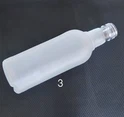
Single - step acid etching is commonly used for basic glass etching applications, such as creating simple patterns, text, or logos on glassware, mirrors, and architectural glass. For example, it can be used to etch the brand name on Lime Soda Peach Drink Bottle Beverage Glass Bottle Wine Bottle With Special Efection to enhance its visual appeal.
Multi - Step Acid Etching
Multi - step acid etching is a more complex and precise process that involves multiple stages of etching and treatment to achieve a high - quality, detailed, and uniform etched surface.
Process
The multi - step acid etching process typically begins with a preliminary cleaning of the glass, followed by the application of a resist material. The resist is a protective layer that is applied to the areas of the glass that should not be etched. This can be in the form of a vinyl stencil, a wax, or a photosensitive resist. After the resist is applied, the first etching step is carried out using a less concentrated acid solution. This initial etching creates a base layer and helps to prepare the glass surface for further treatment.
Subsequent steps may involve using different acid concentrations, changing the etching time, or applying additional treatments such as polishing or frosting. For example, after the initial etching, a second etching step with a higher - concentration acid may be used to deepen the etch and create more defined features. Finally, the resist is removed, and the glass is cleaned and finished to achieve the desired appearance.
Advantages
- Precision and Control: Multi - step acid etching allows for greater control over the etching depth, pattern, and surface finish. It is possible to create highly detailed and complex designs with a high level of accuracy.
- Superior Surface Quality: The multiple steps involved in this process result in a smoother, more uniform, and aesthetically pleasing etched surface. This is particularly important for high - end glass products, such as decorative glass art, luxury glassware, and architectural glass features.
- Flexibility: Multi - step acid etching offers more flexibility in terms of the types of effects that can be achieved. Different combinations of acid concentrations, etching times, and treatments can be used to create a wide range of textures and appearances.
Disadvantages
- Complexity and Time - Consuming: The multi - step process is more complex and time - consuming than single - step acid etching. It requires more equipment, skilled operators, and a longer production time.
- Higher Cost: Due to the complexity of the process, the use of additional materials and equipment, and the longer production time, multi - step acid etching is generally more expensive than single - step etching.
Applications
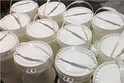
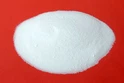
Multi - step acid etching is ideal for applications where high precision and a superior surface finish are required. It is commonly used in the production of high - end glass products, such as art glass, crystal chandeliers, and high - quality architectural glass. Additionally, it can be used to create intricate designs on SATINAL MATERIAL FOR FROSTED GLASS PRODUCTION and YK Glass Frosting Powder (water - based) to enhance their decorative value.
Choosing the Right Method
When deciding between single - step and multi - step acid etching, several factors should be considered:
- Project Requirements: If your project requires a simple, basic design with a quick turnaround time and cost - effectiveness, single - step acid etching may be the best choice. However, if you need a highly detailed, precise, and high - quality etched surface, multi - step acid etching is recommended.
- Budget: Your budget will also play a significant role in your decision. Single - step acid etching is generally more affordable, making it suitable for projects with limited budgets. On the other hand, multi - step acid etching is more expensive but offers better results for high - end applications.
- Expertise and Equipment: Consider your level of expertise and the availability of equipment. Single - step acid etching is easier to perform and requires less specialized equipment, making it more accessible for beginners. Multi - step acid etching, however, requires more skill and advanced equipment.
Our Offerings as a Supplier
As a leading supplier of acid etching for glass, we offer a wide range of products and services to meet your specific needs. Whether you are looking for single - step or multi - step acid etching solutions, we have the expertise and resources to provide you with high - quality results. Our products, such as Lime Soda Peach Drink Bottle Beverage Glass Bottle Wine Bottle With Special Efection, SATINAL MATERIAL FOR FROSTED GLASS PRODUCTION, and YK Glass Frosting Powder (water - based), are carefully selected and tested to ensure optimal performance and quality.
If you are interested in learning more about our acid etching products or have any questions about the single - step and multi - step acid etching processes, we encourage you to contact us. Our team of experts is ready to assist you in choosing the right solution for your project and guiding you through the purchasing process. We look forward to the opportunity to work with you and help you achieve your glass etching goals.
References
- "The Chemistry of Glass Etching", Journal of Glass Science and Technology, vol. 23, 2018.
- "Advanced Techniques in Glass Etching", Glass Industry Magazine, vol. 45, 2020.
- "Comparative Study of Single - Step and Multi - Step Acid Etching Processes", Proceedings of the International Conference on Glass Manufacturing, 2021.