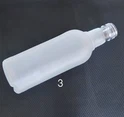
Hey there! As a supplier of Chemical Frosting Of Glass, I often get asked if chemical frosting can be used on glass bottles. Well, the short answer is yes, and in this blog, I'll dive deep into why it's a great option, the process, and the benefits.
First off, let's talk about what chemical frosting is. Chemical frosting is a process that uses special chemicals to etch the surface of glass, creating a frosted look. It's different from sandblasting, which physically abrades the glass surface. Chemical frosting gives a more uniform and smooth finish, which is perfect for glass bottles.
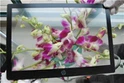
One of the main reasons why chemical frosting works so well on glass bottles is the aesthetic appeal. A frosted glass bottle looks elegant and sophisticated. It can add a touch of luxury to any product, whether it's a high - end perfume, a craft beer, or a fancy olive oil. The frosted surface diffuses light, creating a soft and muted look that's really eye - catching.

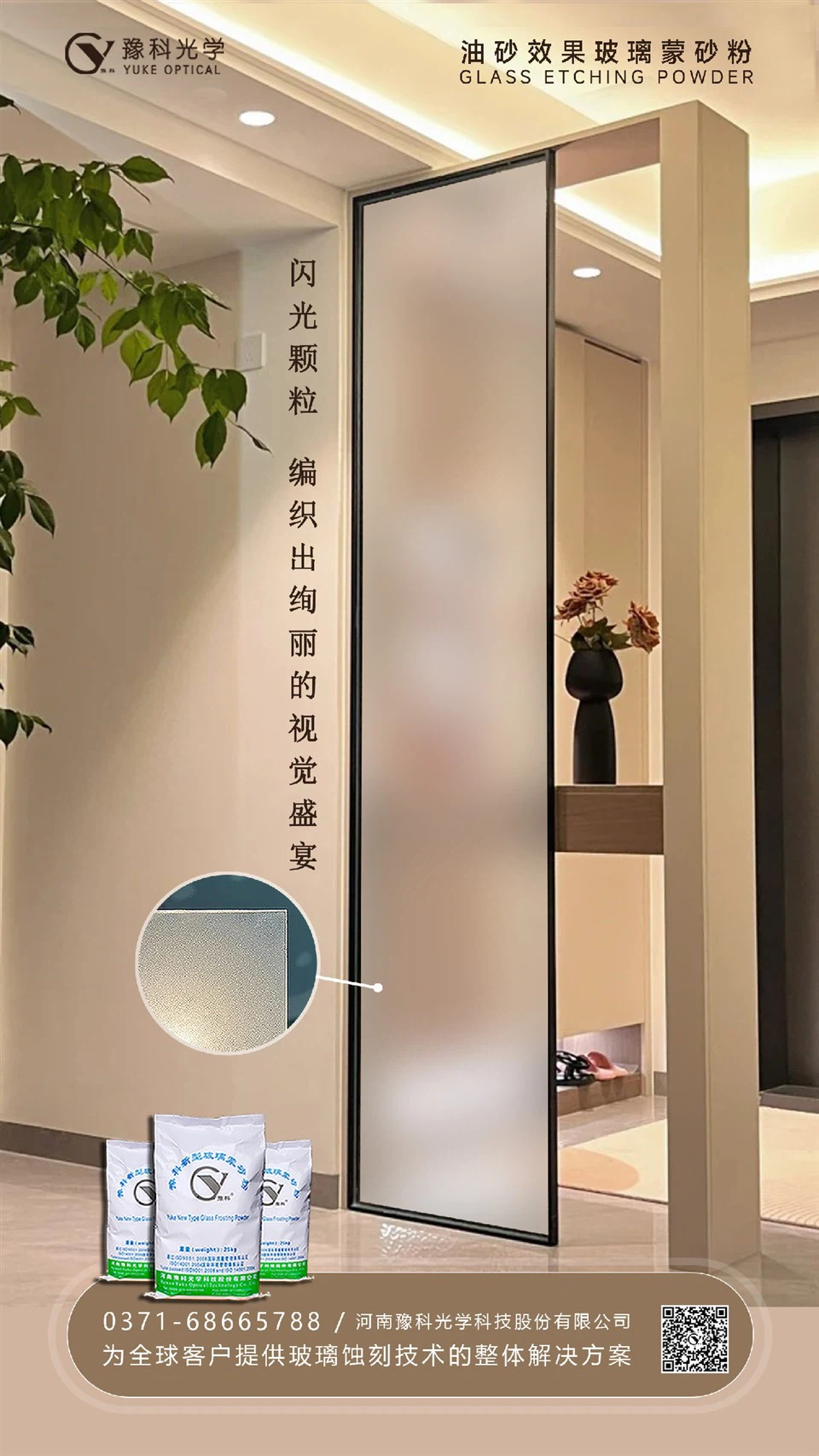
For example, think about a glass cosmetic bottle with a satin effect surface. You can check out more about this Satin Effect Surface Of Glass Cosmetic Bottle. The chemical frosting on these bottles not only makes them look great but also helps to protect the contents from excessive light exposure. Many cosmetic products are sensitive to light, and the frosted glass can act as a barrier, keeping the product fresh for longer.
Another area where chemical - frosted glass bottles shine is in interior home decoration. If you're into interior design, Satin Effect Surface Of Glass in Interior Home Decoration might be of interest to you. Frosted glass bottles can be used as vases, candle holders, or even as part of a decorative display. They add a unique and modern touch to any room.
Now, let's get into the process of chemically frosting glass bottles. It's a relatively straightforward process, but it does require some care and attention. First, the glass bottles need to be thoroughly cleaned to remove any dirt, grease, or fingerprints. This ensures that the chemical frosting agent can adhere evenly to the surface.
Next, a chemical frosting solution is applied to the glass. This solution usually contains hydrofluoric acid or other fluoride - based compounds. These chemicals react with the glass surface, dissolving a thin layer of it and creating the frosted effect. The bottles are then rinsed thoroughly to remove any remaining chemicals.
It's important to note that working with chemical frosting agents can be dangerous. Hydrofluoric acid is a highly corrosive and toxic substance, so proper safety precautions must be taken. This includes wearing protective clothing, gloves, and goggles, and working in a well - ventilated area.
One of the big advantages of using chemical frosting on glass bottles is the customization options. You can control the degree of frosting, from a very light, almost transparent frost to a heavy, opaque finish. You can also create patterns or designs on the glass. For instance, you can use masking tape to cover certain areas of the bottle before applying the frosting solution. When the tape is removed, you're left with a clear pattern on the frosted background.
In addition to the aesthetic benefits, chemical - frosted glass bottles also have practical advantages. They are more resistant to scratches and abrasions compared to clear glass bottles. This means that they can withstand the rigors of shipping and handling without getting damaged easily.
Let's talk about the new trends in interior doors as well. You can find more details about this What Is The New Trend For Interior Doors. While we're focused on glass bottles here, the concept of using frosted glass in interior design is similar. Frosted glass can provide privacy while still allowing light to pass through, which is a great feature in many interior applications.
If you're a business owner looking to use chemical - frosted glass bottles for your products, there are a few things to consider. First, you need to make sure that the chemical frosting process complies with all relevant safety and environmental regulations. There are strict rules regarding the use and disposal of chemical frosting agents, so it's important to work with a reliable supplier who can ensure compliance.
Second, you should think about the cost. Chemical frosting can be more expensive than some other finishing options, but the added value in terms of aesthetics and product protection can often justify the cost. You need to weigh the benefits against the cost to see if it's the right choice for your business.
So, in conclusion, chemical frosting can definitely be used on glass bottles, and it offers a whole host of benefits. Whether you're in the cosmetic, beverage, or home decor industry, chemical - frosted glass bottles can help your products stand out. If you're interested in using chemical frosting for your glass bottles, I'd love to have a chat with you. We can discuss your specific needs and see how we can work together to achieve the perfect look for your products.
If you have any questions or want to start a procurement discussion, don't hesitate to reach out. I'm here to help you make the best decision for your business.
References
- General knowledge about glass frosting processes and applications
- Industry reports on the use of frosted glass in different sectors
- Safety guidelines for working with chemical frosting agents