Hey there! As a supplier of Glass Frosting Powder, I often get asked about the texture of glass after using our product. So, I thought I'd share some insights with you.
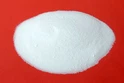
Let's start with the basics. Glass frosting powder is a chemical compound that, when applied to glass, changes its surface characteristics. The main goal of using frosting powder is to transform a clear, smooth glass surface into one that is opaque and has a soft, velvety texture.
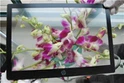
When you use our glass frosting powder, the first thing you'll notice is the loss of transparency. The clear glass becomes frosted, which means it diffuses light rather than allowing it to pass through clearly. This diffusion gives the glass a hazy appearance, which can be really useful in various applications. For example, in bathrooms, frosted glass can provide privacy while still letting in some light. In decorative glassware, the frosted look adds an elegant and sophisticated touch.
Now, let's talk about the actual texture. After applying the frosting powder, the glass surface is no longer as smooth as it used to be. Instead, it develops a micro - rough surface. This micro - roughness is what gives the glass its characteristic satin - like feel. If you run your finger across the frosted glass, you'll sense a gentle resistance, like you're gliding over a very fine fabric. It's not rough in a way that would cut your finger, but it definitely has a tactile quality that's different from regular glass.
The degree of texture can vary depending on a few factors. One of the most important factors is the concentration of the frosting powder solution. If you use a higher concentration, the etching process will be more aggressive, resulting in a more pronounced texture. On the other hand, a lower concentration will create a more subtle, almost silky texture.
Another factor is the application time. The longer you leave the frosting powder on the glass, the deeper the etching will be, and the coarser the texture will become. So, if you want a very light frosting with a barely perceptible texture, you can reduce the application time.
The type of glass also plays a role. Different types of glass, such as soda - lime glass and borosilicate glass, may react differently to the frosting powder. Soda - lime glass is more commonly used in everyday glass products like windows and bottles. It generally etches well and develops a nice, even texture. Borosilicate glass, which is more heat - resistant and often used in laboratory equipment, may require a slightly different application process to achieve the same texture.
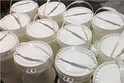
Our company offers a variety of glass frosting powders to meet different needs. For instance, our Glass Eteching Powder is a high - quality option that can create a consistent and beautiful frosted texture. It's easy to use and can be applied to different shapes and sizes of glass.
If you're in the business of making glass bottles for wine or other liquids, our Glass Bottle Wine Liquid Container Satin Effect Glass Frosting Powder is a great choice. It's specifically formulated to give glass bottles a luxurious satin finish, which can enhance the overall look of your product.

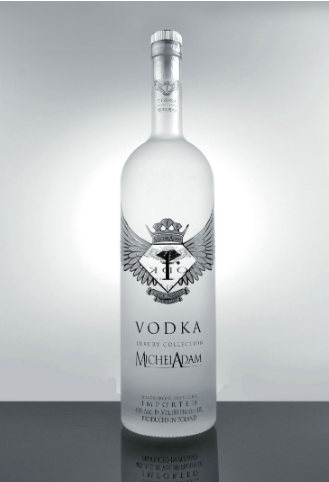
The science behind glass frosting is quite interesting. The Chemical Frosting of Glass involves a chemical reaction between the frosting powder and the glass surface. Most glass frosting powders contain chemicals like ammonium bifluoride or hydrofluoric acid derivatives. These chemicals react with the silica in the glass, breaking down the surface layer and creating tiny pits and bumps.
In practical applications, the frosted glass with its unique texture has many uses. In architecture, frosted glass is used for partitions, doors, and windows. The texture not only provides privacy but also adds a modern and stylish element to the building. In the art and craft world, artists use frosted glass to create beautiful sculptures and decorative pieces. The texture allows for better adhesion of paints and other art materials, giving artists more creative freedom.
In the food and beverage industry, frosted glass bottles are very popular. The texture makes the bottles easier to grip, reducing the risk of dropping them. It also gives the products a more premium look, which can attract consumers.
If you're interested in using our glass frosting powder for your projects, whether it's for a small DIY craft or a large - scale industrial application, we'd love to hear from you. We can provide you with samples so you can test the texture and see the results for yourself. Our team of experts is also available to offer advice on the best application methods and product selection.
Contact us to start a procurement discussion, and let's work together to achieve the perfect frosted glass texture for your needs.
References
- General knowledge of glass chemistry and surface treatment processes.
- In - house research and development data on glass frosting powder applications.