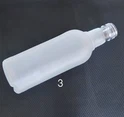
Chemical frosting is a popular technique used to transform the appearance of glass, offering both aesthetic and functional benefits. As a supplier of Chemical Frosting Of Glass, I often receive inquiries about the applicability of chemical frosting on different types of glass, including mirrored glass. In this blog post, I'll explore whether chemical frosting can be used on mirrored glass, the process involved, and the potential outcomes.
Understanding Mirrored Glass
Mirrored glass, also known as reflective glass, is a type of glass that has a reflective coating applied to one side. This coating is typically made of a thin layer of metal, such as silver or aluminum, which reflects light and creates a mirror-like effect. Mirrored glass is commonly used in various applications, including interior design, architecture, and decorative purposes.
Can Chemical Frosting Be Used on Mirrored Glass?
The short answer is yes, chemical frosting can be used on mirrored glass. However, there are several factors to consider before proceeding with the frosting process.
1. Compatibility of Chemicals
The first consideration is the compatibility of the chemical frosting agents with the mirrored coating. Some chemical frosting solutions may react with the metal coating on the mirrored glass, causing damage or discoloration. It's essential to choose a chemical frosting product that is specifically formulated for use on mirrored glass or has been tested and proven to be safe for this application.
2. Surface Preparation
Proper surface preparation is crucial for achieving a successful chemical frosting result on mirrored glass. The surface of the glass must be clean and free of any dirt, grease, or other contaminants that could interfere with the frosting process. Additionally, the mirrored coating should be inspected for any scratches or damage that could affect the final appearance of the frosted glass.
3. Frosting Technique
The frosting technique used on mirrored glass may differ from that used on regular glass. Since the mirrored coating is on one side of the glass, it's important to apply the chemical frosting solution evenly and carefully to avoid over-frosting or damaging the coating. In some cases, a masking or stenciling technique may be used to create specific patterns or designs on the mirrored glass.
The Chemical Frosting Process on Mirrored Glass
The chemical frosting process on mirrored glass typically involves the following steps:
1. Surface Cleaning
The first step is to clean the surface of the mirrored glass thoroughly using a mild detergent and water. This will remove any dirt, grease, or other contaminants that could interfere with the frosting process. Rinse the glass with clean water and dry it completely using a lint-free cloth.
2. Masking (Optional)
If you want to create a specific pattern or design on the mirrored glass, you can use a masking or stenciling technique. Apply the masking tape or stencil to the areas of the glass that you want to protect from the frosting solution. Make sure the masking is secure and there are no gaps or overlaps.
3. Chemical Frosting Application
Apply the chemical frosting solution to the surface of the mirrored glass using a brush, roller, or sprayer. Follow the manufacturer's instructions carefully regarding the application method, drying time, and safety precautions. Make sure to apply the solution evenly and avoid over-applying or creating drips.
4. Drying and Rinsing
Allow the chemical frosting solution to dry for the recommended amount of time. Once the solution is dry, rinse the glass thoroughly with clean water to remove any excess frosting solution. Use a soft brush or sponge to gently scrub the surface of the glass to ensure all the frosting solution is removed.
5. Final Inspection
Inspect the frosted mirrored glass for any imperfections or areas that may need additional frosting. If necessary, repeat the frosting process on the affected areas. Once you are satisfied with the result, remove the masking tape or stencil (if used) and dry the glass completely.
Potential Outcomes of Chemical Frosting on Mirrored Glass
The outcome of chemical frosting on mirrored glass can vary depending on several factors, including the type of chemical frosting solution used, the surface preparation, and the frosting technique. Here are some potential outcomes:


1. Frosted Appearance
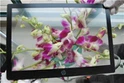
The most obvious outcome of chemical frosting on mirrored glass is a frosted appearance. The frosting solution creates a semi-transparent or opaque finish on the surface of the glass, reducing glare and providing privacy. The frosted effect can range from a subtle satin finish to a more pronounced milky white appearance.
2. Pattern or Design
If a masking or stenciling technique is used, chemical frosting can create a variety of patterns or designs on the mirrored glass. This can add a decorative element to the glass and enhance its aesthetic appeal. Some common patterns include geometric shapes, floral designs, and abstract patterns.
3. Reduced Reflectivity
Chemical frosting can also reduce the reflectivity of the mirrored glass. The frosted surface scatters light, making the glass less reflective and more opaque. This can be beneficial in applications where glare or reflection is a problem, such as in bathrooms, offices, or display cases.
Applications of Frosted Mirrored Glass
Frosted mirrored glass has a wide range of applications in various industries and settings. Here are some common applications:
1. Interior Design
Frosted mirrored glass is often used in interior design to create a stylish and modern look. It can be used as wall panels, partitions, doors, or decorative elements in homes, offices, hotels, and other commercial spaces. The frosted effect adds a touch of elegance and sophistication to the space while providing privacy and reducing glare.
2. Architecture
In architecture, frosted mirrored glass can be used in facades, windows, and skylights. The frosted surface can help to reduce solar heat gain and glare, improving the energy efficiency of the building. Additionally, the decorative patterns or designs created by chemical frosting can enhance the visual appeal of the building.
3. Decorative Purposes
Frosted mirrored glass is also popular for decorative purposes, such as in mirrors, picture frames, and jewelry boxes. The frosted effect can add a unique and artistic touch to these items, making them more visually appealing.
Conclusion
In conclusion, chemical frosting can be used on mirrored glass, but it requires careful consideration and proper technique. By choosing the right chemical frosting product, preparing the surface correctly, and following the recommended application process, you can achieve a beautiful and durable frosted finish on mirrored glass. Whether you're looking to enhance the aesthetic appeal of your space, reduce glare, or create a unique decorative element, frosted mirrored glass is a versatile and practical option.
If you're interested in using chemical frosting on mirrored glass or have any questions about our Chemical Frosting Of Glass products, please don't hesitate to contact us. We'd be happy to discuss your specific needs and provide you with more information about our products and services.
References
- Glass Association of North America. (n.d.). Mirrored Glass. Retrieved from [Website URL]
- Chemical Coating Technology. (n.d.). Chemical Frosting of Glass. Retrieved from [Website URL]
- American Institute of Architects. (n.d.). Architectural Glass. Retrieved from [Website URL]